Beef Tallow Benefits, Uses, and How to Cook With It
Beef tallow is rendered beef fat, solid at room temperature and stable at high heat. Here is what cooks actually use it for, how it compares with other cooking fats, and how to store it.
Beef tallow is rendered beef fat: fat that has been melted down slowly and strained until what is left is clean, firm and shelf stable. It was the standard cooking fat in American kitchens for generations, and it went out of fashion for reasons that had very little to do with how it cooks.
This page is about using it. If you want the plain definition, see what beef tallow is, and for the rendering process itself see how beef tallow is made.
The benefits of cooking with beef tallow
Three practical reasons, and none of them are about nutrition:
- It takes high heat. Tallow's smoke point is around 400°F, which puts it comfortably above a hot pan sear and into deep-frying territory.
- It is stable. Tallow is mostly saturated and monounsaturated fat, which is why it keeps its character in a hot pan and on a shelf instead of turning quickly.
- It tastes of something. This is the part people either love or want to avoid. Tallow leaves a savoury, beefy note behind. In fries, roast potatoes and a steak sear that is the point. In a delicate custard it is not.
How it compares with other cooking fats
Smoke point is the number that decides whether a fat belongs in a given job. These are approximate figures — published values vary with refinement and with how fresh the fat is — so treat them as a guide to which pan, not as a specification.
| Fat | Approx. smoke point | Best suited to |
|---|---|---|
| Butter | around 350°F | Gentle heat, finishing, basting |
| Lard | around 370°F | Pastry, shallow frying |
| Extra virgin olive oil | around 375°F | Dressings, moderate heat |
| Beef tallow | around 400°F | Searing, roasting, deep frying |
| Ghee | around 485°F | High heat, dairy flavour |
What to cook with it
- Chips and fries. The classic use, and the one that converts sceptics. Tallow gives a crisp shell and a savoury edge that oil does not.
- Roast potatoes and root vegetables. Toss them in melted tallow before they go in. You get a harder, glassier crust.
- Searing steak. A high smoke point means you can get the pan properly hot before the fat complains. Worth pairing with salting at the right time.
- Pastry. Tallow behaves like other solid fats in a short crust and gives a flaky, sturdy result. Savoury pies rather than sweet ones.
- Refrying and confit. Because it is stable, tallow can be strained and used again, which is most of why commercial kitchens liked it.
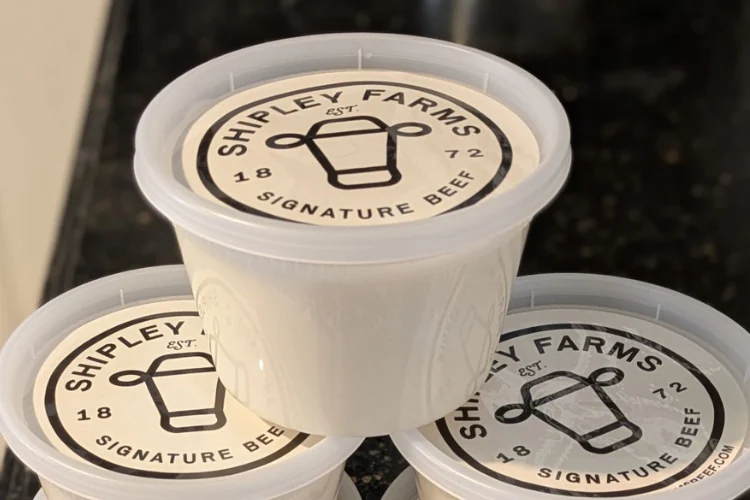
Rendered from our own cattle. One ingredient: beef fat, slowly rendered and strained. Shelf stable, no refrigeration needed.
View ProductHow to cook with it, in practice
- Start with less than you think. Tallow is a firm fat that melts into a thin layer; a tablespoon covers a large pan.
- Let the pan come up before the fat goes in for a sear, so the tallow is not sitting on heat longer than it needs to be.
- Strain it after frying while it is still liquid, through a fine sieve, and it will be clean enough to use again.
- Do not mix it with your sweet baking fat. It carries flavour, and that flavour belongs in savoury work.
When not to use it
Most pages about tallow only sell the upside. There are three jobs it is the wrong fat for, and knowing them is the difference between liking tallow and giving up on it:
- Sweet baking. Tallow carries a savoury note that does not disappear under sugar. Use butter in a cake and keep tallow for the savoury pastry.
- Delicate fish and eggs. Anything whose own flavour is the point gets overwhelmed. A gentler fat at a lower heat is the better tool.
- Cold applications. Tallow is solid at room temperature, so it is no use in a dressing or a mayonnaise — it will set rather than emulsify.
It is also worth being honest about the flavour itself: a minority of people simply do not want beef in their roast potatoes. If that is you, no amount of smoke point makes up for it.
How to store it
Rendered tallow is shelf stable and does not need refrigeration. Keep it covered, out of direct light, and away from the heat of the stove. If you have strained used tallow back into a jar, expect it to carry a little of whatever you cooked in it — which is sometimes an improvement and sometimes a reason to keep a separate jar for fries.
Tallow is not only a cooking fat; rendered beef fat has been used in soap and skin balm for as long as it has been used in a pan. That is a different product rather than a different use of the same tub.
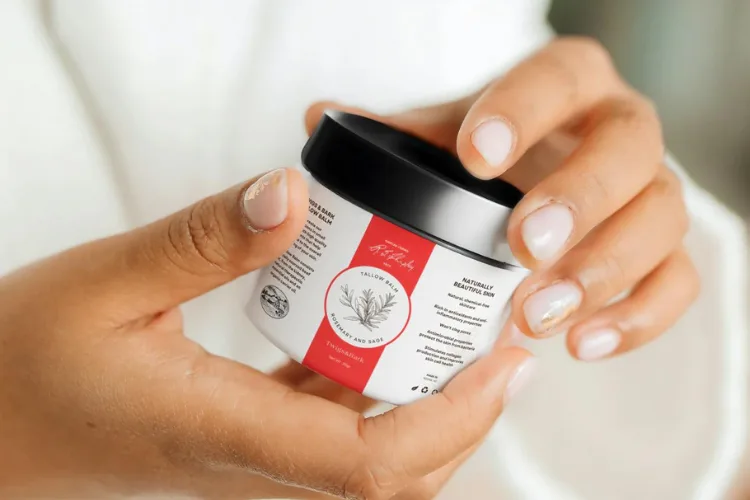
Shipley tallow balm, made by Twigs&Bark from our fat. The non-cooking use people are surprised by.
View ProductWhere ours comes from
Shipley Farms renders its tallow from its own cattle, in Vilas, North Carolina. We raise what we can on our own ground in Watauga County and partner with sister farms that raise to the same standards; the cattle are pasture-raised with no added growth stimulants, no steroids and no antibiotics. Our standards are set out in full on our promise, and you can see the farm on our farm page.
One ingredient, slowly rendered and strained. If you want to cook with it, browse the shop.
Shipley Farms
Stories, recipes and news from Shipley Farms.