How to Portion and Freeze Ground Beef
Ground beef is the largest part of a share by weight. How you pack it decides whether you use it or resent it.
A share gives you more ground beef than anything else. Pack it badly and it becomes an eight-pound brick you never use.
Flat, not brick
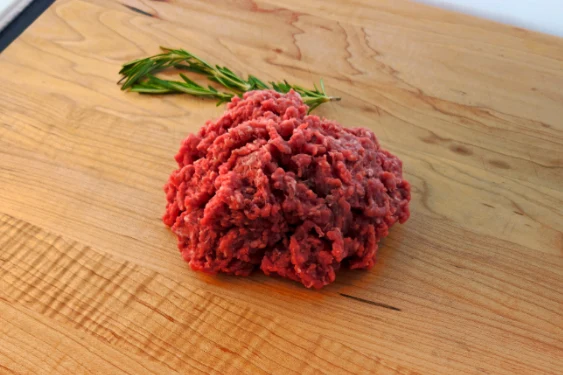
Press each portion flat, about half an inch thick, in a bag with the air pushed out. A flat pack freezes faster, stacks like paper, and thaws in a fraction of the time, because thawing speed depends on thickness rather than weight.
One pound at a time
For most households a pound is one meal. Two-pound packs for six or more. What you want to avoid entirely is having to thaw three pounds to cook one, then refreeze the rest.
“And I think people enjoy kind of getting to figure out what am I supposed to do with a sirloin tip? What am I supposed to do with a picanha or a tri-tip? I get to go learn and experiment in the kitchen some and figure out how to cook something.”
Gray Shipley
Label every single one
- Contents and weight, because packs look identical once frozen.
- The date, so you work through oldest first.
- Write on the bag before you fill it. Marker does not take on a cold wet bag.
“It's the standard that my granddad set for us, which is keep your promises, do what you say you're going to do. Don't take shortcuts, and do the right thing.”
Gray Shipley
Stack them upright
Flat packs filed on their edge, like records, let you read every label without unpacking the drawer. That one habit is the difference between using a share and excavating it.
“Very few people have the ability to really tell any difference whatsoever of something that's been frozen.”
Gray Shipley
The whole freezer setup is in how to fill a freezer.
How should I portion ground beef for the freezer?
In flat one-pound packs, labeled, so they stack and thaw fast.
- Freezing and Food Safety, USDA FSIS
- Cold Food Storage Chart, FoodSafety.gov
Food-safety temperatures and storage times on this page are cited to the agencies above rather than to us.
Written at Shipley Farms in Vilas, North Carolina: a family cattle farm raising and dry-aging beef in the Appalachian Mountains, now in its fifth generation. No shortcuts since 1872.
Every quote on this page is Gray Shipley talking, the man who runs this farm. We sat down with him, turned on a recorder, and kept his own words. Hesitations are trimmed so they read on the page. Nothing else is added or reworded, except where Gray revised his own words in review.
Nobody knows this beef better than we do. On food safety we leave it to USDA FSIS and FoodSafety.gov, and we have linked their pages above. Reviewed 3 October 2026.
Shipley Farms
Stories, recipes and news from Shipley Farms.