Posts filed under Cooking Techniques
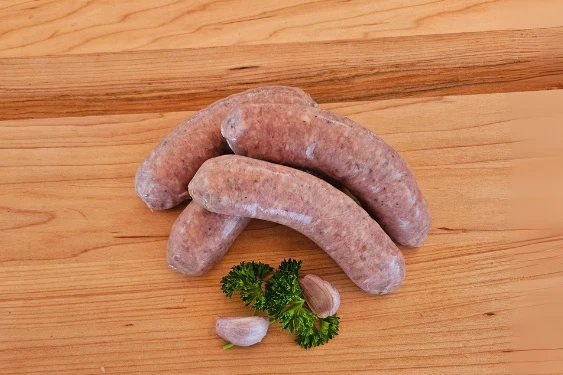
We make the same pork into several different things. The useful question is not which is best, it is which format you need.
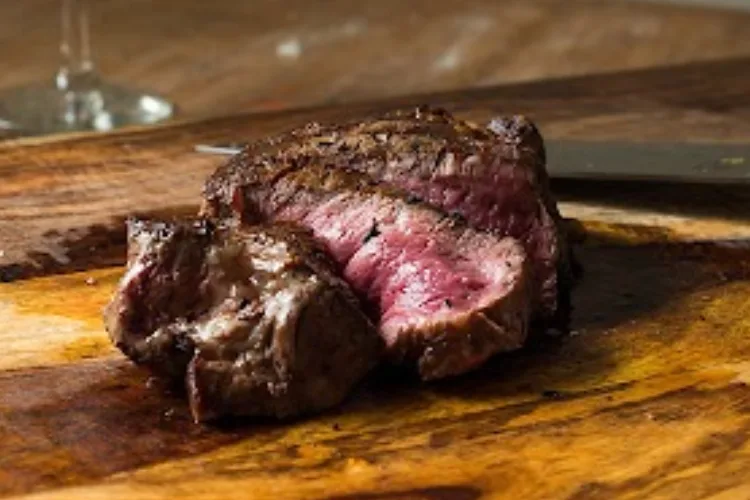
The worst thing you can do to leftover steak is cook it again. Here is the sandwich that does not.
A long soup with one timing decision in it, and getting that decision wrong is what makes bad barley soup.
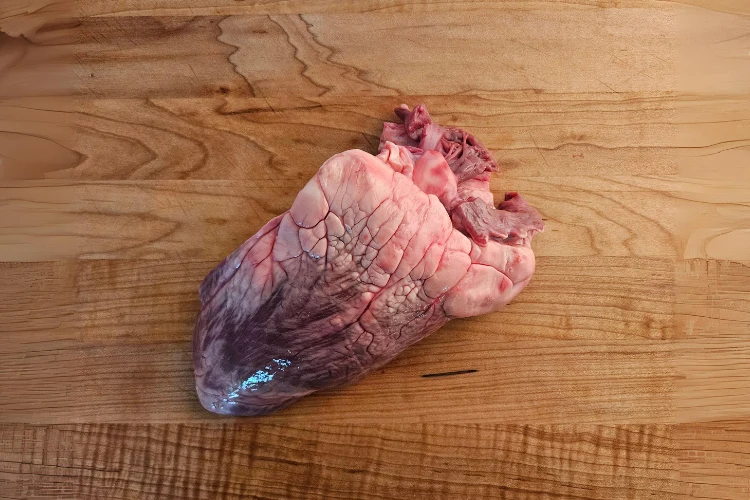
Anticuchos, more or less. Trimmed heart takes a marinade well and cooks in about four minutes.
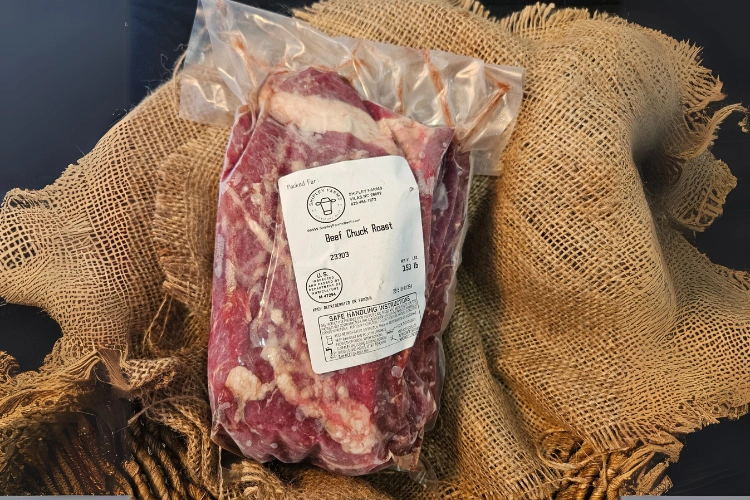
A slow cooker is brilliant for exactly one category of beef and actively bad for the rest. The category is not obvious from the price.
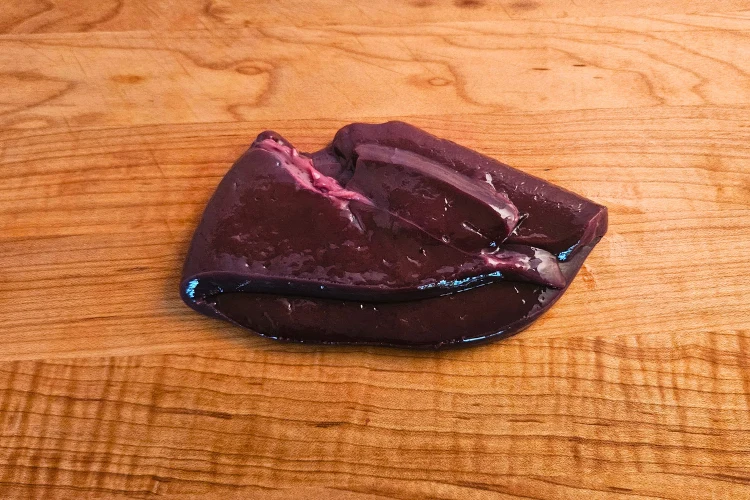
The onions take forty minutes and the liver takes two. Everyone gets that ratio backwards.
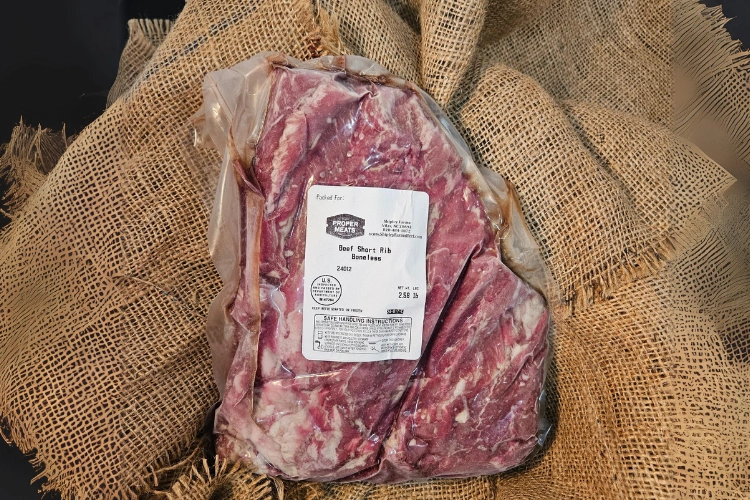
Short ribs come off the plate, one of the hardest-working parts of the animal. Three hours is not a long time for them, it is the minimum.
Six ingredients, three of which are the butter. The table below shows what combines when. The only timing that matters is when you take the steak off.
Four herbs and a leaner steak. The only technical instruction is to put the food processor away.
One pan, two stages. The steak rests while the sauce is made from the fond it left. The table shows what joins what.
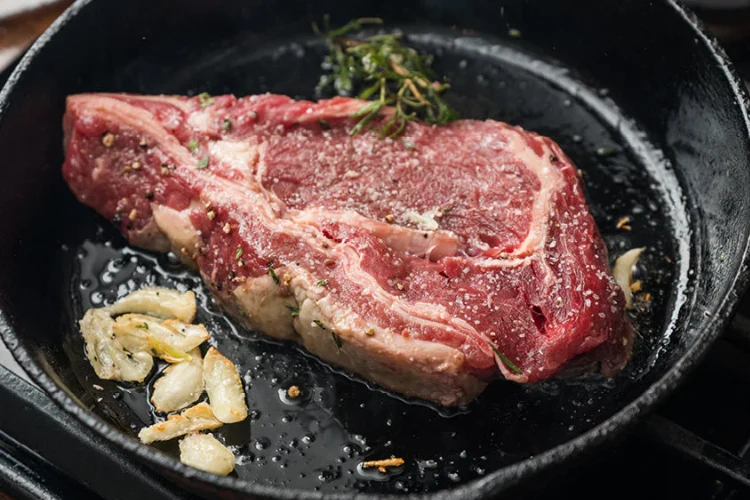
Salt the beef, then wait. That is the whole technique, and it does more for the result than most of what people buy equipment for.
Both work. They are good at different things, and the honest answer has more to do with the weather and the headcount than with the beef.
Six levels, what each one looks and feels like, and why the color of the meat is the least reliable signal of the three.
Everyone knows to rest meat. Almost nobody rests it long enough, including the farmer.
Bavette takes about six minutes to cook. Nearly everything that goes wrong with it happens afterwards, with a knife.
The Denver comes out of the chuck, which usually means braising. This one does not. It cooks like a steak and costs like chuck.
Sirloin tip is lean, cheap and completely unforgiving of a long cook. Cooked right it is the best value roast on the animal.
Sous vide makes doneness a setting rather than a judgement. It also makes browning harder, and people forget the second part.
Breakfast sausage burns on the outside and stays raw in the middle for exactly one reason, and it is the dial.
Most people learned to cook pork from a generation that cooked it to death for good reasons that no longer apply. Here is the version for a good chop.