A Steak Sandwich From Leftovers
The worst thing you can do to leftover steak is cook it again. Here is the sandwich that does not.
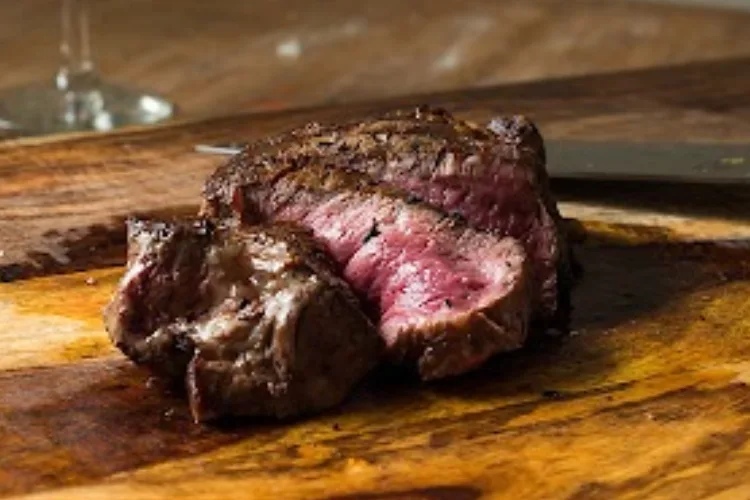
Steak that was medium rare last night is still medium rare. Put it in a hot pan and it becomes well done, which is the entire problem.
Slice it cold
Cold steak slices far thinner and more cleanly than warm steak. Take it straight from the fridge and cut it as thin as you can manage, across the grain. Thin slices also means less needs to happen to it afterwards.
Barely warm it
Pile the slices on the bread, then put the warm elements around them: toasted bread, hot onions, melted cheese. The residual heat from those brings the steak up without cooking it. If you must use a pan, take it off the heat first and let the slices sit in it for twenty seconds.
“Very few people have the ability to really tell any difference whatsoever of something that's been frozen.”
Gray Shipley
Reheating guidance from the agencies is in how to reheat steak and linked below.
Build it with something sharp
- Mustard, horseradish or pickled onion. Cold beef wants acid more than hot beef does.
- Something crunchy. Thin sliced raw onion, or lettuce.
- Good bread, toasted on the cut side only, so it holds together.
“If you're going to put mayonnaise on a burger, take the time to get an egg and some lemon juice and make the put some avocado oil in. Make the mayonnaise, it ain't hard.”
Gray Shipley
“I think, what don't I like, I don't like just like low-grade store-bought condiments. I don't like putting seed or vegetable oil-based mayonnaise on it.”
Gray Shipley
What do I do with leftover steak?
Slice it cold and thin, and warm it only in the last few seconds, off the heat.
- Leftovers and Food Safety, USDA FSIS
- Refrigeration & Food Safety, USDA FSIS
Food-safety temperatures and storage times on this page are cited to the agencies above rather than to us.
Written at Shipley Farms in Vilas, North Carolina: a family cattle farm raising and dry-aging beef in the Appalachian Mountains, now in its fifth generation. No shortcuts since 1872.
Every quote on this page is Gray Shipley talking, the man who runs this farm. We sat down with him, turned on a recorder, and kept his own words. Hesitations are trimmed so they read on the page. Nothing else is added or reworded, except where Gray revised his own words in review.
Nobody knows this beef better than we do. On food safety we leave it to USDA FSIS, and we have linked their pages above. Reviewed 3 October 2026.
Shipley Farms
Stories, recipes and news from Shipley Farms.