How to Reheat Steak Without Ruining It
Leftover steak does not have to be a disappointment. Warm it low and slow, then sear it hard for thirty seconds. The method is a reverse-sear, and it works because the steak is already cooked.
There is usually a reason there is steak left. Someone was full, or you cooked generously on purpose. Either way the second day does not have to be worse.
The method: low oven first, hard sear last.
Why the microwave fails
A microwave heats water. In a cooked steak the water is held in the muscle fibers, so heating it drives that water out and squeezes the fibers at the same time. You get a dry, tough, gray steak in ninety seconds.
The method
- Take it out of the refrigerator thirty minutes ahead. A cold center needs longer in the oven, which costs you more of the interior.
- Oven at 250 degrees Fahrenheit, on a rack over a tray.
- Warm it to about 100 degrees internal. Ten to twenty minutes depending on thickness. Use a thermometer.
- Pat the surface completely dry. It will have sweated in the oven.
- Sear thirty to forty-five seconds a side in a very hot dry pan. No oil needed; there is fat in the steak already.
- Serve straight away. It does not need resting a second time.
Drying it matters even more the second time
“Get the moisture off the surface.”
Gray Shipley
A reheated steak has more surface moisture than a raw one, because the oven has pushed juice outward. Skip the pat down and you will steam it rather than crisp it.
“Let it dry before you put it on the skillet or put it on the grill so that you get the sear on the outside. You keep that moisture and juiciness on the inside.”
Gray Shipley
If you would rather not reheat at all
- Slice it cold for a steak sandwich or over a salad. Cold rare steak sliced thin is genuinely good.
- Cube it into fried rice or hash at the very end, off the heat, so it warms rather than cooks.
- Keep it whole until you need it. A slice loses moisture from every cut face.
On food safety
The USDA recommends reheating leftovers to 165 degrees Fahrenheit. The gentle method above deliberately stops well below that to keep a rare steak rare. That is a judgement for your own kitchen, and it is worth making knowingly.
“So, I think that's the most common mistake is you're not sure, so you'll cook it a little longer. And you just don't need to.”
Gray Shipley
What reheats well
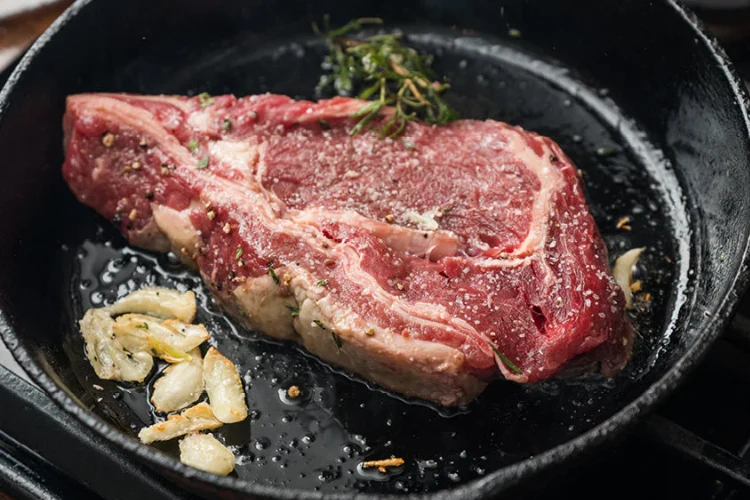
Thick and marbled, so it holds up to a second round of heat better than a lean cut.
View Product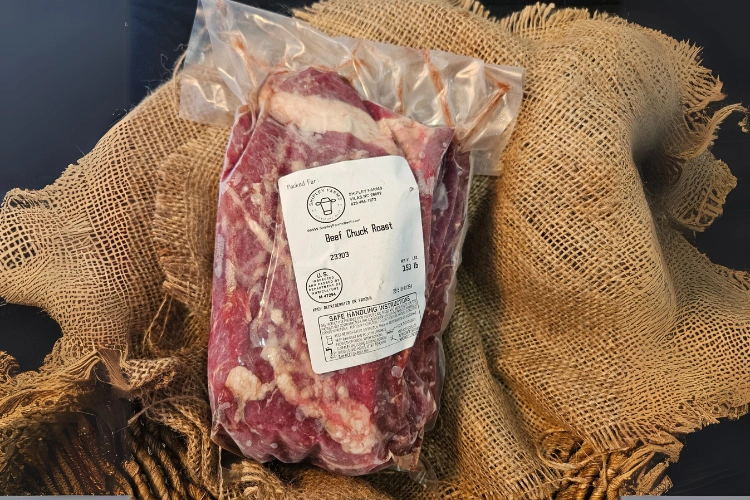
A braise genuinely improves overnight. If you want planned leftovers, cook this instead.
View Product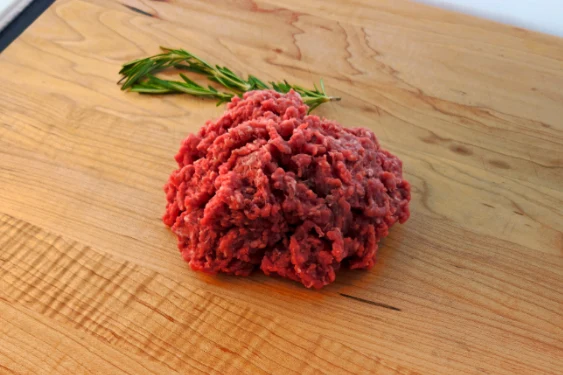
A one pound pack cooks to order, so there is no second day to manage.
View ProductThe method is borrowed from reverse-searing, the surface reasoning is in getting a great crust, and storing cooked steak covers the hours in between.
Low, then hot, then straight onto the plate.
- Leftovers and Food Safety, USDA FSIS
- Cook to a Safe Minimum Internal Temperature, FoodSafety.gov
Food-safety temperatures and storage times on this page are cited to the agencies above rather than to us.
Written at Shipley Farms in Vilas, North Carolina: a family cattle farm raising and dry-aging beef in the Appalachian Mountains, now in its fifth generation. No shortcuts since 1872.
Every quote on this page is Gray Shipley talking, the man who runs this farm. We sat down with him, turned on a recorder, and kept his own words. Hesitations are trimmed so they read on the page. Nothing else is added or reworded, except where Gray revised his own words in review.
Nobody knows this beef better than we do. On food safety we leave it to USDA FSIS and FoodSafety.gov, and we have linked their pages above. Reviewed 3 October 2026.
Shipley Farms
Stories, recipes and news from Shipley Farms.