Chorizo and Rice, One Pan
Most chorizo and rice recipes come down to one idea: let the sausage season everything else. Here, fresh pork chorizo comes out of its casings and browns in a deep skillet, leaving behind a brick-red, spiced fat. Onion, bell pepper and garlic soften in that fat, long-grain rice toasts in it, and tomatoes and chicken stock finish the job. Twenty minutes under a lid, ten minutes off the heat, and dinner is ready in one pan.
This recipe is written for fresh chorizo, the raw, Mexican-style sausage that has to be cooked through. Dried Spanish chorizo is a different thing: cured, firm and ready to eat. You can use it here, but slice it into coins, brown it for just a minute or two, and add a tablespoon of olive oil to the pan.
At a glance: serves 4 to 6. Prep 10 minutes, cook about 40 minutes, then rest 10 minutes off the heat.
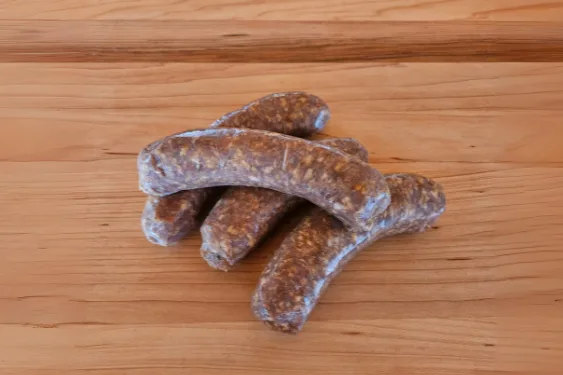
This recipe uses 1 pack of pork chorizo links, which seasons the whole pan.
Add 1 pack of pork chorizo links to cartView ProductWant beef in the freezer too? See the 1/8 beef share subscription.
Talking about tailgates, Gray Shipley, who runs the farm, was clear about sausages:
“Well, you should probably should not go to a tailgate without some sausages. So our link sausages, both the beef and the pork sausages, you know, combination of maybe some brats, beef brats and some pork Italian or chorizo.”
Gray Shipley
This recipe is for a weeknight at home, not a parking lot. What it takes from his list is the chorizo, which brings its own seasoning and does most of the work in the pan.
Ingredients
- 1 pack fresh pork chorizo links, about 1 pound
- 1 tablespoon olive oil, if needed
- 1 medium yellow onion, diced
- 1 red or green bell pepper, diced
- 3 cloves garlic, minced
- 1 teaspoon smoked paprika
- 1/2 teaspoon ground cumin
- 1 1/2 cups long-grain white rice
- 1 can (14.5 ounces) diced tomatoes, with their juice
- 1 3/4 cups low-sodium chicken stock
- 1/2 teaspoon kosher salt, plus more to taste
- 1 cup frozen peas, or 1 can (15 ounces) black beans, drained (optional)
- 1/4 cup chopped cilantro
- 1 lime, cut into wedges
Instructions
- Slit the chorizo casings lengthwise with a sharp knife, squeeze out the meat, and throw the casings away.
- Set a 12-inch deep skillet or a wide Dutch oven with a tight lid over medium heat. Add the chorizo and cook, breaking it into small crumbles with a wooden spoon, until it is browned and no longer raw in the middle, 6 to 8 minutes.
- Check the fat in the pan. You want about 2 tablespoons. Spoon off any extra, or add the olive oil if the pan looks dry.
- Add the onion and bell pepper and cook, stirring often, until soft, about 5 minutes. Add the garlic, smoked paprika and cumin and stir for 30 seconds, until fragrant.
- Add the rice and stir for about 2 minutes, until every grain is coated in the red fat and some turn opaque at the edges.
- Pour in the tomatoes with their juice, the stock and the salt. Stir once, scraping the bottom of the pan, and bring it to a boil.
- Cover the pan, turn the heat to low, and simmer without lifting the lid for 20 minutes.
- Take the pan off the heat. If you are adding peas or beans, scatter them over the rice, then cover the pan again and let it stand for 10 minutes.
- Fluff the rice with a fork, taste it for salt, and serve with cilantro and lime wedges.
Add 1 pack of pork chorizo links to cart
An easy recipe with chorizo, and how to get it right
The reason this is such an easy recipe with chorizo is that the sausage arrives seasoned. Chiles, garlic and spices are in every crumble, and the fat they melt into carries them through the rice. You add only a little paprika and cumin to round it out, and salt at the end once you have tasted it, since chorizo varies in how salty it is.
The rest is rice technique. Toasting the grains in fat helps keep them separate. Bringing the liquid to a full boil before the lid goes on gets the cooking started evenly. And leaving the lid closed for the whole 20 minutes, then another 10 off the heat, lets the steam finish the rice. If the rice is still firm when you check it, add 1/4 cup of hot water, cover, and give it 5 more minutes over low heat. A thin, browned crust on the bottom of the pan is a bonus; scrape it up and stir it through.
More recipes for pork chorizo
Fresh chorizo is one of the most useful things to keep in the freezer. Crumble it into scrambled eggs for breakfast tacos. Brown it with diced potatoes for tacos or a hash. Stir it into a pot of pinto or black beans. Melt it into queso for a dip, or use it in place of some of the ground meat in chili. As whole links, it grills like any fresh sausage. For how it compares with Italian sausage, and for the other links worth knowing, see the guides in the reading list below.
Chorizo recipes for a crowd
This pan doubles well in a large Dutch oven. Keep the same simmering time, but give the chorizo and vegetables a few extra minutes to brown, since a fuller pan cooks more slowly. For a bigger spread, set it out alongside grilled links of a few kinds; the tailgate guide in the reading list below has more ideas.
Leftovers
Chorizo and rice keeps in the refrigerator for a few days. Cool it and refrigerate it promptly rather than leaving cooked rice sitting out for hours. Reheat it, covered, with a splash of water or stock, until it reaches 165 degrees F, the FSIS figure for leftovers.
Food safety
USDA FSIS lists 160 degrees F as the safe minimum internal temperature for ground meats, and fresh sausage like chorizo is ground meat. Chorizo is red all the way through from its chiles, so color tells you nothing. Go by texture and by an instant-read thermometer pushed into a thick clump of browned crumbles. In this recipe the chorizo is browned through and then simmers for another 20 minutes in the covered pan. Wash your hands, knife and board after handling the raw sausage. See the FSIS Safe Minimum Internal Temperature Chart.
- Safe Minimum Internal Temperature Chart, USDA FSIS
Food-safety temperatures on this page are cited to USDA FSIS rather than to us.
Published by Shipley Farms. The quote on this page is Gray Shipley, who runs the farm, in his own words from a recorded interview, quoted exactly, or as he revised it in review.
On food safety we follow USDA FSIS, linked above.