How to Cook Beef Chorizo Links
Cooking beef chorizo comes down to one choice: keep the links whole, or take the casings off. Whole links go into a skillet with a splash of water, steam until they are cooked through, then brown in their own fat. Crumbled chorizo browns in a dry pan in under 10 minutes and seasons anything it touches, from scrambled eggs to the chorizo and potato tacos below. Whichever way you go, fresh chorizo is raw sausage, and it is done at 160 degrees F.
Mexican-style chorizo is a fresh sausage seasoned with dried chiles, garlic and spices, often with a little vinegar, which is where its deep red color and tang come from. Beef chorizo follows the same idea with beef. It cooks the same way as pork chorizo, with one thing worth watching: depending on how it is made, it may give up less fat in the pan, so keep a spoonful of oil nearby.
At a glance: serves 4, about 12 small tacos. Prep 15 minutes, cook about 25 minutes.
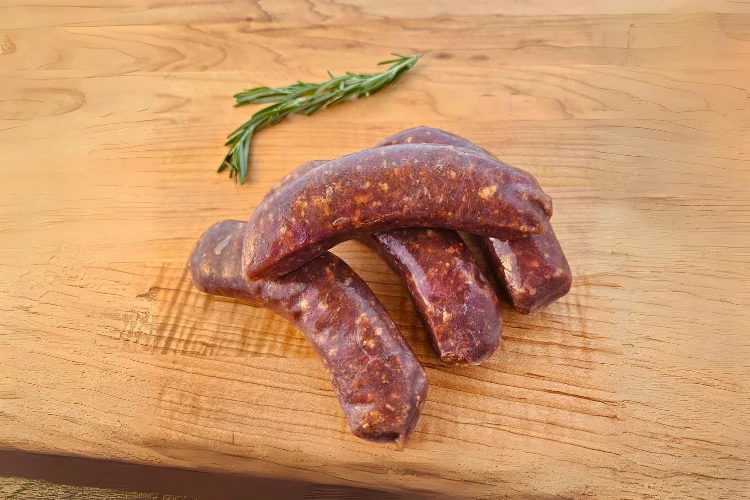
This recipe uses 1 pack of beef chorizo links, enough for about 12 tacos.
Add 1 pack of beef chorizo links to cartView ProductWant beef in the freezer too? See the 1/8 beef share subscription.
Gray Shipley, who runs the farm, has a firm view on tailgates:
“Well, you should probably should not go to a tailgate without some sausages.”
Gray Shipley
The grill method below is the one for that kind of day. Most of the time, though, chorizo ends up in a skillet at home, which is where this recipe starts.
Ingredients
- 1 pack beef chorizo links, about 1 pound
- 1 pound Yukon Gold potatoes (about 3 medium), cut into 1/2-inch cubes
- 1 teaspoon kosher salt, for the potato water
- 1 tablespoon olive oil or lard, if needed
- 1 medium white onion, half diced for the pan and half finely chopped to serve
- 12 small corn tortillas
- 1/2 cup chopped cilantro
- 1/2 cup crumbled cotija or queso fresco (optional)
- 1/2 cup salsa verde or your favorite salsa
- 1 lime, cut into wedges
Instructions
- Put the potatoes in a saucepan, cover them with cold water by an inch, add the salt, and bring to a boil. Simmer until a knife slides in with a little resistance, about 5 minutes. Drain well and let them steam dry in the colander.
- Meanwhile, slit the chorizo casings with a sharp knife, squeeze the meat into a 12-inch skillet, and throw the casings away. Cook over medium heat, breaking it into crumbles, until browned and cooked through, 7 to 9 minutes. A thermometer pushed into a thick clump should read 160 degrees F.
- Add the diced onion and cook for 3 minutes, until it softens. If the pan looks dry, add the oil.
- Add the potatoes and spread everything into an even layer. Cook, turning with a spatula only every 2 or 3 minutes, until the potatoes are browned at the edges and crisp in spots, 8 to 10 minutes. Taste and add salt if needed.
- Warm the tortillas one or two at a time in a dry skillet over medium-high heat, about 30 seconds per side, and stack them in a clean towel to keep warm.
- Fill each tortilla with a spoonful of chorizo and potatoes, then top with the chopped raw onion, cilantro, cheese and salsa. Serve with lime wedges.
Add 1 pack of beef chorizo links to cart
How to prepare beef chorizo: three ways
Whole links in a skillet
Lay the links in a cold skillet with about 1/4 inch of water. Cover and cook over medium heat, turning once, for 8 to 10 minutes. Then uncover, let the water cook away, and brown the links in their own fat, turning often, for 4 to 5 minutes more, until they reach 160 degrees F in the center. The water steams them through gently, so the outside does not burn before the middle is done. Slice them into coins for rice, beans or pasta, or serve them whole with eggs.
Casings off, crumbled
Slit the casing, squeeze out the meat, and brown it in a skillet over medium heat, breaking it up as it cooks, for 7 to 9 minutes. This is the form for tacos, breakfast burritos, queso and chorizo with eggs. For eggs, brown half a pack of chorizo, pour in 6 beaten eggs, and stir gently over low heat until they are just set.
On the grill
Set up a medium fire, about 350 to 400 degrees, with a cooler zone. Grill the links over indirect heat with the lid closed for 10 to 12 minutes, turning once or twice, then move them over the fire for 2 to 4 minutes to brown, until they reach 160 degrees F. Do not pierce them; that lets the juices run out and causes flare-ups. This is the tailgate method, and it works on a small portable grill as well as a big one.
How to tell when cooked beef chorizo is done
Color will not tell you. Chorizo is red when raw and stays red when cooked, so the usual signs of doneness do not apply. Use an instant-read thermometer: 160 degrees F in the center of a link, or in a thick clump of crumbles. Texture helps too. Raw chorizo is soft and pasty; cooked chorizo breaks into firm, separate bits, and the fat in the pan turns clear and orange-red.
Storing cooked beef chorizo
Cooked beef chorizo keeps in a covered container in the refrigerator for a few days, and it freezes well, which makes a batch of browned crumbles handy for quick breakfasts. Refrigerate it promptly after cooking and reheat it in a skillet with a splash of water until it reaches 165 degrees F, the FSIS figure for leftovers.
Beef chorizo or pork chorizo?
Either works in every recipe on this page. Beef chorizo can be leaner or richer than pork depending on how it is made, so look at the pan: spoon off fat if there is a lot, and add a little oil if there is almost none. For the difference between chorizo and Italian sausage, and for more sausages to bring to a tailgate, see the reading list below.
Food safety
USDA FSIS lists 160 degrees F as the safe minimum internal temperature for ground meats, and fresh sausage like chorizo is ground meat. Check it with an instant-read thermometer, since color is no guide with chorizo. Wash your hands, knife and board after handling the raw sausage, keep it away from food that will not be cooked, and refrigerate leftovers promptly. See the FSIS Safe Minimum Internal Temperature Chart.
- Safe Minimum Internal Temperature Chart, USDA FSIS
Food-safety temperatures on this page are cited to USDA FSIS rather than to us.
Published by Shipley Farms. The quote on this page is Gray Shipley, who runs the farm, in his own words from a recorded interview, quoted exactly, or as he revised it in review.
On food safety we follow USDA FSIS, linked above.