A Map of Beef Cuts, and What Each Part Is For
There are eight primal cuts, and one rule that tells you how to cook all of them. The map below shows where each one sits.
Almost every question about cooking beef answers itself once you know where the cut came from. Here is the whole animal on one picture.
- Chuck
- Shoulder. Works hard all day, so it is tough and deeply flavored. Braise it.
- Rib
- Sits along the back doing very little. Tender and well marbled. Fast and hot.
- Short loin
- Also along the back. The strip and the filet live here. Fast and hot.
- Sirloin
- Just behind the loin. Leaner, still tender enough for the pan.
- Round
- Rear leg. Lean and hard-working. Roast it low or slice it very thin.
- Brisket
- Chest. Carries the animal's weight. Needs hours.
- Plate
- Belly. Loose-grained and fatty. Skirt steak comes from here.
- Flank
- Rear belly. Lean with a strong grain. Slice across it or regret it.
The one rule
A muscle that worked hard carries more connective tissue. Connective tissue is tough, and it only gives up over hours of low, moist heat. A muscle that did almost nothing has very little of it, so it is tender straight away and heat is the enemy rather than the tool.
That is the whole thing. Chuck, brisket and round worked. Rib and short loin did not. Everything else sits somewhere between.
“We used to just kind of not try to outsmart God, let the animal do what it's supposed to do and stay out of the way.”
Gray Shipley
Why a share gives you all of it
When you buy a share you are buying a section of the animal, so you get the hard-working cuts along with the tender ones. People expect steaks and are surprised by roasts. The map is the reason.
“Because it's tough for smaller farmers to, you know, have something available, 200 pounds ready to go. And we don't know whether you're coming or not. Because if you're not coming, then we still have to find a home for it. And if you are, we have to have it ready.”
Gray Shipley
We set out exactly what arrives in what you get in a half beef share.
If a cut came out tough
Check the map first. A tough result is usually a cut from the left or the bottom of this diagram cooked as though it came from the top. Why is my steak tough works through the rest.
“There's a saying that farming isn't rocket science. It's way more complicated than that.”
Gray Shipley
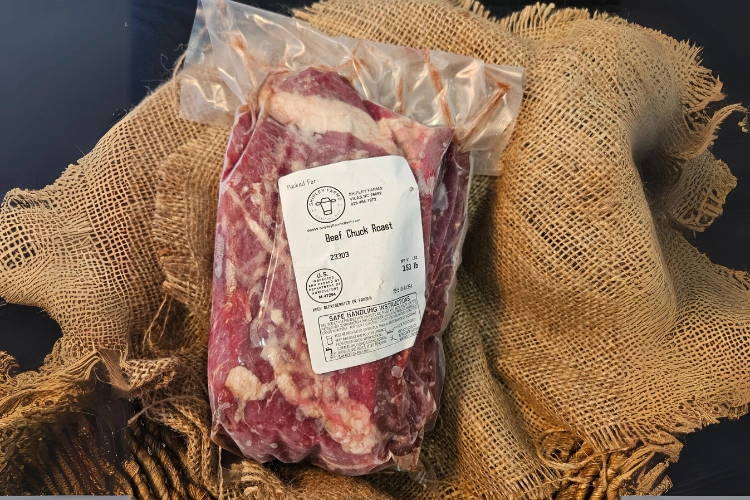
Built for a long afternoon. The map explains why.
View Product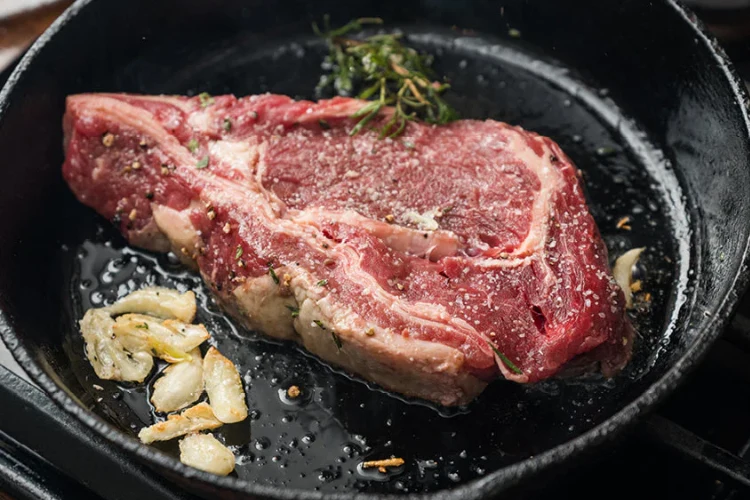
Almost no connective tissue, so heat is the only risk.
View Product- Cook to a Safe Minimum Internal Temperature, FoodSafety.gov
- Grades and Standards: Beef, USDA AMS
Food-safety temperatures and storage times on this page are cited to the agencies above rather than to us.
Written at Shipley Farms in Vilas, North Carolina: a family cattle farm raising and dry-aging beef in the Appalachian Mountains, now in its fifth generation. No shortcuts since 1872.
Every quote on this page is Gray Shipley talking, the man who runs this farm. We sat down with him, turned on a recorder, and kept his own words. Hesitations are trimmed so they read on the page. Nothing else is added or reworded, except where Gray revised his own words in review.
Nobody knows this beef better than we do. On food safety we leave it to FoodSafety.gov, and we have linked their pages above. Reviewed 3 October 2026.
Shipley Farms
Stories, recipes and news from Shipley Farms.