Beef Heart Stir Fry With Peppers and Snap Peas
A beef heart stir fry takes about 50 minutes, and most of that is trimming and a short marinade. Trim the heart of its fat and tough inner cords, slice it thin across the grain, pat it dry and toss it with soy sauce, rice wine, ginger and cornstarch. Then sear it in batches in a smoking-hot wok, stir-fry peppers, onion and snap peas, and bring everything together in a glossy soy and garlic sauce.
Beef heart is a muscle, and it cooks like one. Sliced thin, it tastes like a lean, deeply beefy steak, with a firm, fine-grained bite and none of the strong flavor people expect from liver or kidney. The two rules are to trim it well and not to overcook it.
At a glance: serves 3 to 4 with rice. Prep 25 minutes, marinate 15 minutes, cook about 10 minutes. Add 20 minutes in the freezer first if you want the heart easier to slice.
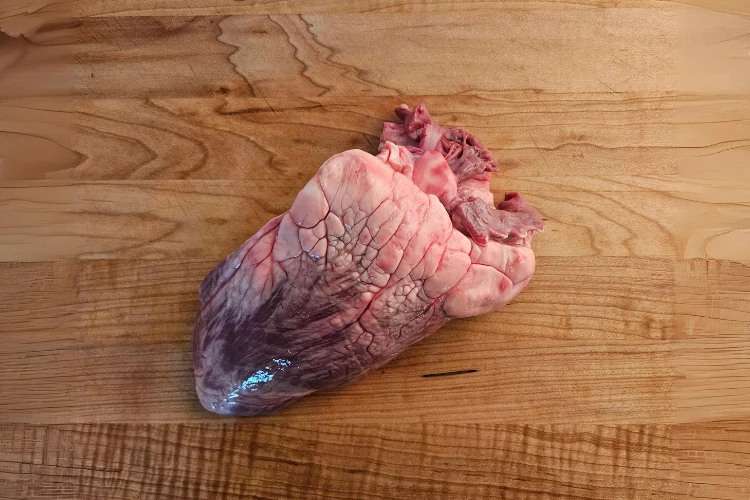
This recipe uses 1 lb beef heart, enough for three or four with rice.
Add 1 lb beef heart to cartView ProductCooking for a full freezer instead? See the 1/8 beef share subscription.
Gray Shipley, who runs the farm, was explaining how to get a good sear on a steak or a burger when he gave this advice:
“Let it dry before you put it on the skillet or put it on the grill so that you get the sear on the outside. You keep that moisture and juiciness on the inside.”
Gray Shipley
He was not talking about heart, but heart is lean muscle and it browns the same way. In a stir fry the advice matters even more, because slicing a heart thin creates a great many cut surfaces, each one wet. A marinade can sound at odds with drying the meat, and it would be if it were a soak. Here it is a thin coat: pat the slices dry first, then add just 2 tablespoons of liquid that the cornstarch holds on the surface. Dry slices brown in under a minute in a hot wok, which is fast enough to keep the middle tender.
Ingredients
- 1 pound beef heart
- 1 tablespoon soy sauce, for the marinade
- 1 tablespoon Shaoxing rice wine or dry sherry
- 1 teaspoon cornstarch, for the marinade
- 1 teaspoon finely grated fresh ginger, for the marinade
- 3 tablespoons soy sauce, for the sauce
- 1 tablespoon oyster sauce
- 1 tablespoon rice vinegar
- 2 teaspoons honey or brown sugar
- 1 1/2 teaspoons cornstarch, for the sauce
- 1/4 cup water
- 1 teaspoon toasted sesame oil
- 3 tablespoons vegetable or peanut oil, divided
- 1 red bell pepper, sliced into strips
- 1 small onion, cut into thin wedges
- 4 ounces snap peas (about 1 1/2 cups), strings removed
- 3 cloves garlic, minced
- 1 tablespoon finely grated fresh ginger, for the stir fry
- 3 scallions, sliced, white and green parts kept separate
- 3 to 4 cups cooked rice, to serve
Instructions
- Trim the heart. Cut off any hard white fat and the tough, rubbery tubes and valves at the top. Open the heart along its natural seams so it lies flat, then cut away the stringy white cords inside the chambers and any thick membrane. Take your time with a sharp, thin knife; what you want left is clean, dark red muscle.
- If you have time, put the trimmed heart in the freezer for 20 minutes, until firm but not frozen. Cut it into strips about 2 inches wide, then slice each strip across the grain into pieces 1/8 to 1/4 inch thick.
- Spread the slices on paper towels and pat them dry on both sides. Toss them in a bowl with 1 tablespoon soy sauce, the rice wine, 1 teaspoon cornstarch and 1 teaspoon ginger until evenly coated, and refrigerate for 15 to 30 minutes.
- Whisk the 3 tablespoons soy sauce, oyster sauce, vinegar, honey, 1 1/2 teaspoons cornstarch, water and sesame oil in a small bowl. Set the garlic, the remaining ginger and the scallion whites together by the stove.
- Heat a wok or a heavy 12-inch skillet over high heat until it smokes. Add 1 tablespoon of oil and half the heart in a single layer. Leave it for 45 seconds to 1 minute, until browned underneath, then toss and cook for 30 seconds more, until browned outside and still a little pink inside. Move it to a plate. Repeat with another tablespoon of oil and the rest of the heart.
- Add the last tablespoon of oil, then the onion and bell pepper, and stir-fry for 2 minutes. Add the snap peas and stir-fry for 1 to 2 minutes more, until everything is crisp-tender.
- Push the vegetables to one side, add the garlic, ginger and scallion whites to the clear spot, and stir for about 30 seconds, until fragrant. Toss everything together.
- Whisk the sauce again, since the cornstarch settles, and pour it in. Toss until it boils and turns glossy, about 30 seconds. Return the heart and its juices and toss for 30 seconds to coat and heat through. Scatter with the scallion greens and serve over rice.
What does beef heart taste like?
Like beef. Heart is a hard-working muscle, so it is lean and dense, with a fine grain and a clean, rich beef flavor, closer to a sirloin or flank steak than to liver. Heart is at its best either cooked fast to medium rare or medium, or braised for hours until it is soft. Anything in between is chewy. If you have never cooked heart, a stir fry is a good first recipe: the slices are small, the sauce is familiar, and the cooking takes minutes.
How to trim a beef heart
Trimming is the only fiddly part, and it is worth doing carefully. The top of the heart carries a cap of hard fat and the openings of the large vessels, which are tough and rubbery. Inside, the chambers are lined with thin membrane and crossed by white, stringy cords. Cut all of that away. Expect a pound of heart to lose a few ounces in trimming; what is left is solid muscle that slices cleanly. The guide to cooking beef heart below has more on this cut.
Slice thin, cook fast
Like any lean steak in a stir fry, heart needs to be sliced thin across the grain and cooked over very high heat in small batches. Thin slices brown before the middle has time to toughen, while a crowded pan steams the meat gray. The stir-fry guide below explains slicing for a stir fry and which other beef cuts work. For heart on the grill, see the heart skewers.
Swaps
Use about 4 cups of vegetables in all. Broccoli florets and sliced carrots need a minute or two longer than peppers, so start them first. Mushrooms, bok choy and green beans all work. For heat, add 1/2 teaspoon of red pepper flakes with the garlic, or a spoonful of chili crisp at the end.
Food safety
The USDA FSIS chart has no separate line for heart. Heart is a whole muscle, and the FSIS figure for whole cuts of beef is 145 degrees F, followed by a rest of at least 3 minutes. Many cooks serve heart medium rare, below that figure, and the choice is yours; for 145, toss the heart in the sauce for an extra minute. Thin strips are hard to probe, so check a few of the thickest pieces with an instant-read thermometer. Keep raw meat and its board apart from the vegetables, refrigerate leftovers promptly, and reheat them to 165 degrees F. See the FSIS Safe Minimum Internal Temperature Chart.
- Safe Minimum Internal Temperature Chart, USDA FSIS
Food-safety temperatures on this page are cited to USDA FSIS rather than to us.
Published by Shipley Farms. The quote on this page is Gray Shipley, who runs the farm, in his own words from a recorded interview, quoted exactly, or as he revised it in review.
On food safety we follow USDA FSIS, linked above.