Bratwurst Sheet Pan Dinner With Potatoes and Peppers
A bratwurst sheet pan dinner takes about an hour, and the oven does most of the work. Toss halved potatoes with oil and salt and give them a 15-minute head start at 425 degrees. Then add the bratwurst, bell peppers, red onion and Brussels sprouts, roast for about 25 minutes more, turning everything once, and serve it straight from the pan with a sharp mustard sauce.
Bratwurst suits this kind of cooking. The links brown in the dry heat of the oven, and the fat they render runs into the pan and seasons the vegetables around them. This version uses beef garlic bratwurst, which has a deep, savory flavor that stands up well to roasted onion and mustard.
At a glance: serves 6. Prep 20 minutes, roast about 40 minutes. Uses two sheet pans; for 3 people, halve the recipe and use one.
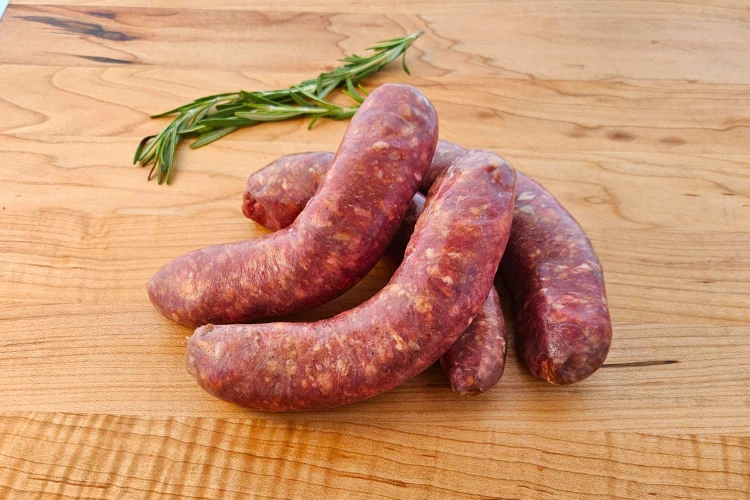
This recipe uses 2 packs of beef garlic bratwurst, about 2 to 2 1/2 pounds in all, enough for six.
Add 2 packs of beef garlic bratwurst to cartView ProductCooking for a full freezer instead? See the 1/8 beef share subscription.
Gray Shipley, who runs the farm, was asked what he wants people to think of when they hear the name Shipley Farms. He was answering about the farm as a whole, not about bratwurst or any one product, and he finished with this:
“if our name is on it, they can count on it being food worth eating.”
Gray Shipley
A sheet pan supper is a fair test of that phrase, because there is nothing to hide behind. It is sausage, potatoes, vegetables, oil, salt and a hot oven. When the ingredients are good and the pans are not crowded, that is enough to make a Tuesday dinner worth sitting down for.
Ingredients
- 2 packs beef garlic bratwurst links, about 2 to 2 1/2 pounds in all
- 1 1/2 pounds small gold or red potatoes, halved, or quartered if large
- 1 pound Brussels sprouts, trimmed and halved, or 1/2 small head green cabbage cut into 1-inch wedges
- 2 bell peppers, red, yellow or orange, cut into 1-inch strips
- 1 large red onion, cut into 8 wedges through the root
- 4 tablespoons olive oil, divided
- 1 1/2 teaspoons kosher salt, divided
- 1/2 teaspoon freshly ground black pepper
- 1 teaspoon smoked or sweet paprika
- 1 teaspoon caraway seeds (optional)
- 3 tablespoons whole-grain mustard
- 1 tablespoon Dijon mustard
- 1 tablespoon cider vinegar
- 2 teaspoons honey
- 2 tablespoons chopped fresh parsley, to serve
Instructions
- Heat the oven to 425 degrees with racks in the upper and lower thirds. Have ready two rimmed half-sheet pans.
- Toss the potatoes with 2 tablespoons of the oil, 3/4 teaspoon of the salt and the pepper. Divide them between the pans, cut sides down, and roast for 15 minutes.
- While the potatoes roast, toss the Brussels sprouts, peppers and onion in a large bowl with the remaining 2 tablespoons of oil, the remaining 3/4 teaspoon of salt, the paprika and the caraway seeds, if using. In a small bowl, whisk the whole-grain mustard, Dijon, vinegar and honey for the sauce and set it aside.
- Take the pans out and stir the potatoes. Divide the vegetables between the pans and nestle the bratwurst in among them, giving each link a little room. Spread everything into a single layer and roast for 12 minutes.
- Turn the bratwurst, stir the vegetables, and swap the pans between the racks so both brown evenly. Roast for 10 to 15 minutes more, until the potatoes are tender, the sprouts are browned at the edges and the bratwurst are browned all over.
- Check a link or two with an instant-read thermometer pushed in from one end toward the center. Fresh bratwurst is ground meat, and USDA FSIS sets 160 degrees F as the safe minimum. If the links are not there yet, give the pans 3 to 5 minutes more.
- Scatter the parsley over the pans and serve with the mustard sauce on the side. Leave the links whole, or slice them on the pan into thick coins.
Add 2 packs of beef garlic bratwurst to cart
Why the potatoes go in first
Potatoes take longer than anything else on the pan. Cut into pieces about an inch across, they need around 40 minutes at 425 degrees to turn creamy inside and crisp at the edges. Peppers, onion and Brussels sprouts need about 25, and the bratwurst a little less. Starting the potatoes alone and adding everything else after 15 minutes means it all finishes at the same time, with nothing burned and nothing raw.
One pan or two?
Two, for this amount. Crowd a single pan and the vegetables sit in the steam rising off each other and off the sausages, and they come out soft and pale instead of browned. Everything should lie in one layer with a little space around it. If you only have one half-sheet pan, halve the recipe and feed three. Swapping the pans between racks halfway through matters too, because most ovens heat a little unevenly from one rack to the other.
Swaps and variations
The method stays the same whatever you put on the pan. Wedges of green cabbage brown and sweeten in the oven and are a natural partner for bratwurst. Sweet potatoes or butternut squash, cut into 1-inch pieces, cook faster than potatoes, so add them with the other vegetables in step 4. Apple wedges are good added for the last 15 minutes. Pork bratwurst, Italian sausage or other fresh links work in place of the beef garlic bratwurst; check them with a thermometer the same way.
For a crowd or a game day, a stack of soft rolls and a pot of warmed sauerkraut turn the same pans into bratwurst sandwiches. Roast two pans, keep them warm in a 200-degree oven, and roast two more. For more on feeding a group outdoors, see the tailgate and backyard cookout guides below.
Leftovers
Refrigerate leftovers promptly in a shallow container. They reheat best on a sheet pan in a 400-degree oven for 10 to 12 minutes, which keeps the potatoes from going soggy, until hot through to 165 degrees F, the FSIS figure for leftovers. Sliced leftover bratwurst and potatoes also make a good breakfast hash with a fried egg on top.
Food safety
This recipe is written for fresh bratwurst, which is raw sausage, and sausage is ground meat. USDA FSIS lists 160 degrees F as the safe minimum internal temperature for ground meats, so check the thickest link with an instant-read thermometer rather than going by color. FSIS lists 165 degrees F for reheating leftovers. Wash your hands, knife and board after handling the raw links, and keep them away from food that will not be cooked. See the FSIS Safe Minimum Internal Temperature Chart.
- Safe Minimum Internal Temperature Chart, USDA FSIS
Food-safety temperatures on this page are cited to USDA FSIS rather than to us.
Published by Shipley Farms. The quote on this page is Gray Shipley, who runs the farm, in his own words from a recorded interview, quoted exactly, or as he revised it in review.
On food safety we follow USDA FSIS, linked above.