Chorizo Stew With Potatoes and Chickpeas
A good chorizo stew does most of its work in the first ten minutes. Fresh pork chorizo browns in a heavy pot and leaves behind a pool of brick-red fat full of chili, garlic and paprika. Onions, peppers, potatoes and chickpeas simmer in that fat with tomatoes and stock until the potatoes are tender, and a few handfuls of kale go in at the end. It is one pot, about an hour, and it tastes even better the next day.
This recipe uses fresh chorizo, the raw, soft sausage sold in links that has to be cooked, not the firm, dried Spanish kind that is ready to slice. The fresh kind crumbles into the stew and seasons every spoonful.
At a glance: serves 6. Prep 15 minutes, cook about 55 minutes.
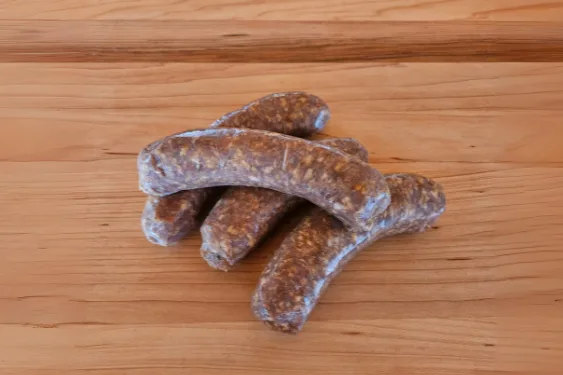
This recipe uses 1 pack of pork chorizo links, which seasons the whole pot.
Add 1 pack of pork chorizo links to cartView ProductCooking for a full freezer instead? See the 1/8 beef share subscription.
Asked what quality means to him, Gray Shipley, who runs the farm, put it in one line:
“quality is what's in your food and what's not in your food”
Gray Shipley
He was answering a question about beef, not about stew. But a pot like this one is only ever as good as what goes into it, and the same test works for the rest of the shopping list. Read the labels on the stock, the canned tomatoes and the chickpeas with his line in mind, and you will know exactly what you are serving.
Ingredients
- 1 pack fresh pork chorizo links, 1 to 1 1/4 pounds
- 1 tablespoon olive oil
- 1 large yellow onion, diced
- 1 red bell pepper, diced
- 4 cloves garlic, minced
- 2 teaspoons smoked paprika
- 1/2 teaspoon ground cumin
- 2 tablespoons tomato paste
- 1 1/2 pounds Yukon Gold potatoes, cut into 3/4-inch cubes
- 1 can (14.5 ounces) diced tomatoes, with their juice
- 4 cups chicken stock
- 1 bay leaf
- 1 can (15 ounces) chickpeas, drained and rinsed
- 1 bunch kale (about 8 ounces), stems removed and leaves chopped, or 5 ounces baby spinach
- 1 tablespoon sherry vinegar or red wine vinegar
- Kosher salt and freshly ground black pepper, to taste
- Chopped fresh parsley and crusty bread, to serve
Instructions
- Slit the chorizo casings lengthwise with a sharp knife, squeeze out the meat, and throw away the casings.
- Heat the oil in a Dutch oven or large, heavy pot over medium heat. Add the chorizo and cook, breaking it into small pieces with a wooden spoon, until browned and cooked through, 8 to 10 minutes. An instant-read thermometer in a larger piece should read 160 degrees F. Lift the chorizo into a bowl with a slotted spoon.
- Leave about 2 tablespoons of fat in the pot and spoon off the rest. Add the onion and bell pepper and cook, stirring now and then, until soft, 6 to 8 minutes. Stir in the garlic, smoked paprika, cumin and tomato paste and cook for 1 to 2 minutes, until the paste darkens.
- Add the potatoes, tomatoes, stock and bay leaf, and scrape up the browned bits from the bottom of the pot. Bring to a boil, then lower the heat and simmer, partly covered, for 20 to 25 minutes, until the potatoes are tender when pierced with a knife.
- Return the chorizo to the pot with the chickpeas. Simmer uncovered for 10 minutes, pressing a few pieces of potato against the side of the pot to thicken the broth.
- Stir in the kale and simmer for about 5 minutes, until tender; spinach needs only a minute. Take out the bay leaf, stir in the vinegar, and season with salt and pepper. Chorizo is well seasoned already, so taste before you add any salt.
- Ladle into warm bowls, scatter with parsley, and serve with crusty bread.
Add 1 pack of pork chorizo links to cart
Fresh chorizo or cured Spanish chorizo?
The two share a name and a red color from chili and paprika, and very little else. Fresh chorizo, the kind used here, is raw ground pork with spices, soft enough to squeeze out of its casing, and it must be cooked through. Cured Spanish chorizo is dried until firm and is sliced like salami. Fresh chorizo melts into a stew and flavors the broth. Cured chorizo stays in chewy, distinct pieces.
If cured chorizo is what you have, slice it into half-moons, brown it in the oil for 3 to 4 minutes, lift it out, and carry on from step 3. It is saltier and smokier, so you may want a little less paprika. The comparison guide below explains how fresh chorizo differs from Italian sausage, which also works here with a pinch of chili flakes added.
Keeping chorizo stew from turning greasy
Fresh chorizo gives up a lot of fat as it browns, and all of it would end up floating on the stew if you left it in. Two tablespoons is enough to soften the vegetables and carry the paprika; spoon off the rest before the onions go in. If a layer of red oil still collects on top at the end, lay a paper towel flat on the surface for a second and lift it off, or skim with a wide spoon. Made a day ahead, the stew can be chilled and the set fat lifted straight off. The guide to greasy braises below covers the same problem in more detail.
Variations
White beans work in place of chickpeas. Sweet potatoes in place of half the Yukon Golds make the stew a little sweeter, which plays well against the chili. A splash of dry sherry with the stock adds depth. For a thicker, almost spoonable stew, mash a ladleful of the potatoes and chickpeas before the greens go in. A spoonful of sour cream on each bowl softens the heat for anyone who wants it milder.
Making it ahead
Like most stews, this one improves overnight as the paprika and chili settle into the potatoes. Cool it, refrigerate it promptly, and reheat it on the stove until it simmers again. Add the greens fresh when you reheat if you can, since kale turns dark and soft as it sits. Potatoes go a little grainy in the freezer, so this stew is better kept in the fridge than frozen.
Food safety
USDA FSIS lists 160 degrees F as the safe minimum internal temperature for ground meats, and fresh chorizo is ground meat. Color is no guide with chorizo, which is red from the start, so check it with an instant-read thermometer. Reheat leftover stew to 165 degrees F, the FSIS figure for leftovers. Wash your hands, knife and board after handling the raw sausage. See the FSIS Safe Minimum Internal Temperature Chart.
- Safe Minimum Internal Temperature Chart, USDA FSIS
Food-safety temperatures on this page are cited to USDA FSIS rather than to us.
Published by Shipley Farms. The quote on this page is Gray Shipley, who runs the farm, in his own words from a recorded interview, quoted exactly, or as he revised it in review.
On food safety we follow USDA FSIS, linked above.