How to Choose a Steak Gift
Choosing a steak gift goes wrong in a predictable way: people sort by price and send the most expensive thing. A better sort is by who is cooking it and what they already know how to do.
Start with a question that has nothing to do with steak: how does this person cook? Someone who grills twice a week wants different things from someone who owns one pan and uses it well.
“But yeah, there's a cut of meat that meets just about any need. There's something in the store that fits, you know, for just about anybody you could try to buy from.”
Gray Shipley
Send a mix, not four of the same thing
“Yeah, well, and it's a mix of things they've heard of, things they haven't heard of. You know, cuts they're comfortable and familiar with and cuts that give them, you know, something to go learn about one weekend when they're watching a game or having some friends over.”
Gray Shipley
Four identical ribeyes is a generous gift that gets eaten without much thought. Two cuts they know and one they do not is a gift that turns into a project, and the project is the part they remember.
Match the cut to the cook
- Confident cook, likes a challenge. Include something lean and fast, like a flat iron, alongside a forgiving cut.
- Cooks occasionally, wants it to go well. Thicker steaks. There is more room for error in a thick cut.
- Cooks for a crowd. Weight matters more than prestige. Send more, not fancier.
How much to send
Work in dinners rather than pounds. Two people eating a steak each is roughly a pound and a half once you allow for a cut with a bone or a fat cap. Four dinners for two is about six pounds, which is also about the size of a box that will not overwhelm a freezer.
For a household that cooks most nights, double it. For someone who eats out four evenings a week, do not.
Thickness matters more than grade
A thick steak is more forgiving than a thin one, because the middle takes longer to catch up with the outside. A thin steak goes from rare to medium while you are turning your back to find the tongs. If you are sending to someone whose skill you are unsure about, thickness is the kindest thing you can choose for them.
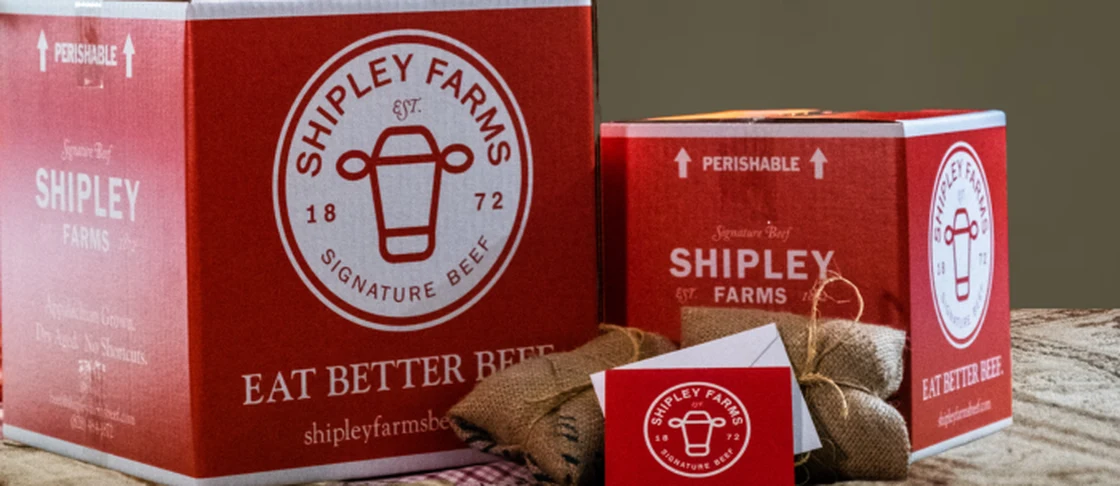
Steaks, chosen so the person opening it knows immediately that someone spent thought rather than money.
View ProductDry-aged and picked by the butcher. Send it to someone who cooks on purpose rather than by habit.
View Product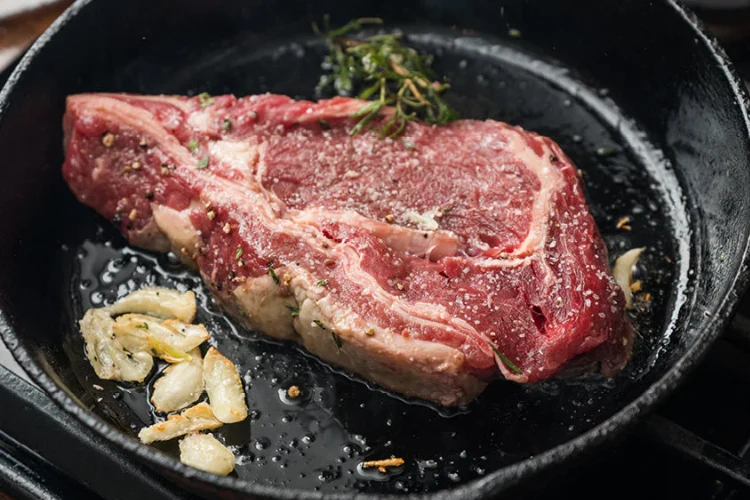
Our signature dry-aged ribeye. If you are sending one thing and want it understood, send this.
View ProductOne message before it lands
“We recommend you let them know, so that they have a freezer before it gets there.”
Gray Shipley
Tell them. It arrives frozen, and whether that is a delight or an inconvenience depends entirely on whether they were expecting it. Once it is there, thawing it properly is the only other thing that matters.
For the boxes themselves, start here. To understand what separates the cuts, tenderness by cut is explained here.
- The Big Thaw — Safe Defrosting Methods, USDA FSIS
- Freezing and Food Safety, USDA FSIS
Food-safety temperatures and storage times on this page are cited to the agencies above rather than to us.
Written at Shipley Farms in Vilas, North Carolina: a family cattle farm raising and dry-aging beef in the Appalachian Mountains, now in its fifth generation. No shortcuts since 1872.
Every quote on this page is Gray Shipley talking, the man who runs this farm. We sat down with him, turned on a recorder, and kept his own words. Hesitations are trimmed so they read on the page. Nothing else is added or reworded, except where Gray revised his own words in review.
Nobody knows this beef better than we do. On food safety we leave it to USDA FSIS, and we have linked their pages above. Reviewed 3 October 2026.
Shipley Farms
Stories, recipes and news from Shipley Farms.