How to Thaw Steak Safely
We ship frozen on purpose. The refrigerator is the right way to undo that: about twenty-four hours, no counter, no hot water.
Almost everything we send you arrives frozen, and that is deliberate rather than a compromise. We explain why here. The part that is on you is thawing it well.
The short answer: refrigerator, about twenty-four hours, on a plate.
The three safe methods
The USDA names three safe ways to thaw meat, and leaving it on the counter is not one of them.
- Refrigerator. The best option. Roughly twenty-four hours for a thick steak, overnight for something thinner or a pound of ground beef. Put it on a plate to catch drips.
- Cold water. Keep it sealed in its vacuum bag, submerge in cold water, and change the water every thirty minutes. Thirty to sixty minutes for a steak. Cook it the same day.
- Microwave defrost. Works, but it cooks the edges while the middle is still frozen. Cook immediately afterwards.
Why not the counter
The outside of the steak reaches room temperature long before the middle thaws, and it sits there while it waits. The refrigerator keeps the whole thing in a safe range the entire time. It takes longer because it is doing it properly.
Thawing well also gets you a better crust
This is the part most thawing advice leaves out. A steak that is still partly frozen keeps releasing water as it finishes, which puts moisture back on the surface at exactly the wrong moment.
“Get the moisture off the surface.”
Gray Shipley
So thaw it all the way through, then dry it. A full refrigerator thaw followed by a pat down and thirty minutes uncovered on a rack gives you a better starting surface than a fresh steak would.
“Let it dry before you put it on the skillet or put it on the grill so that you get the sear on the outside. You keep that moisture and juiciness on the inside.”
Gray Shipley
On frozen beef generally
“Very few people have the ability to really tell any difference whatsoever of something that's been frozen.”
Gray Shipley
What to thaw for tonight
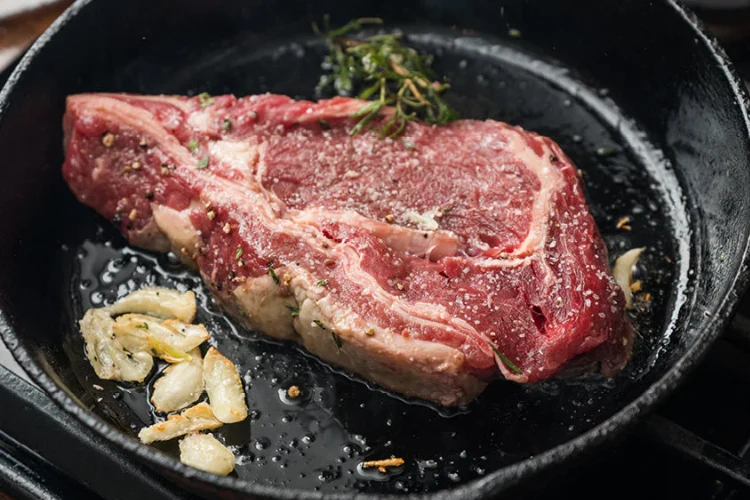
Thick, so give it a full day in the refrigerator. Rushing this cut is a waste of it.
View Product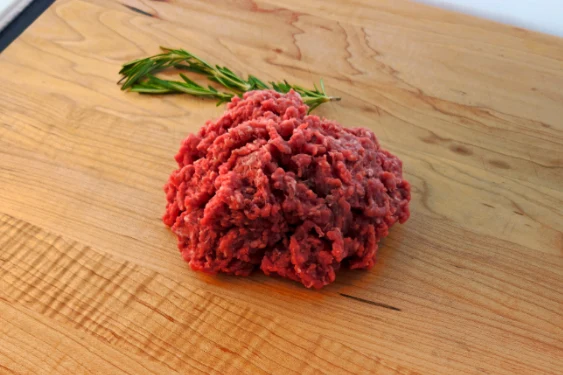
A one pound pack thaws overnight and goes straight into a pan.
View Product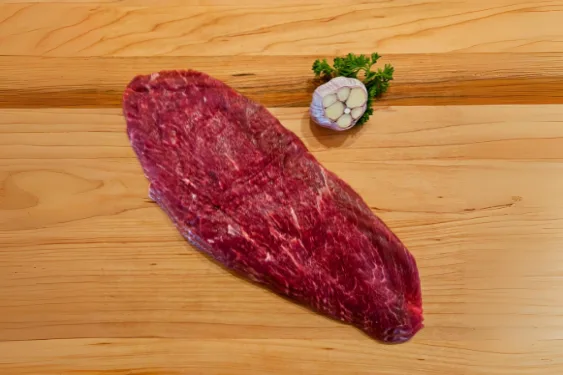
Thinner, so it is ready in a few hours if you remember at lunchtime.
View ProductFor the reasoning behind frozen shipping see fresh versus frozen, for the surface see getting a great crust, and the temperature chart covers the cooking.
A day in the refrigerator and a paper towel. That is the whole method.
- The Big Thaw — Safe Defrosting Methods, USDA FSIS
- “Danger Zone” (40°F - 140°F), USDA FSIS
- Refrigeration & Food Safety, USDA FSIS
Food-safety temperatures and storage times on this page are cited to the agencies above rather than to us.
Written at Shipley Farms in Vilas, North Carolina: a family cattle farm raising and dry-aging beef in the Appalachian Mountains, now in its fifth generation. No shortcuts since 1872.
Every quote on this page is Gray Shipley talking, the man who runs this farm. We sat down with him, turned on a recorder, and kept his own words. Hesitations are trimmed so they read on the page. Nothing else is added or reworded, except where Gray revised his own words in review.
Nobody knows this beef better than we do. On food safety we leave it to USDA FSIS, and we have linked their pages above. Reviewed 3 October 2026.
Shipley Farms
Stories, recipes and news from Shipley Farms.