How to Prevent Freezer Burn on Beef
Those pale dry patches are freezer burn. The beef is still safe.
You pull a steak out of the freezer and part of the surface has gone pale, dry and slightly leathery. That is freezer burn, and the first thing worth knowing is that the beef is still safe to eat. USDA FSIS says so plainly: freezer burn is a quality problem, not a safety one.
What it is not safe from is tasting dull in that patch, so it is worth preventing.
What is actually happening
Freezer air is extremely dry. Ice on the surface of unprotected meat sublimates, meaning it goes straight from solid to vapor without melting, and that moisture leaves the meat and refreezes somewhere colder in the cabinet.
What remains is dehydrated muscle. At the same time, oxygen in the trapped air oxidizes the fat, which is where the stale taste comes from.
How to prevent it
- Remove the air. This is the whole battle. A vacuum seal is best, tightly pressed film is next, a loose bag is worst.
- Leave commercial seals intact. Nothing you can do at home improves on them.
- Dry the surface before wrapping. Surface water becomes the first ice to sublimate away.
- Keep the freezer at zero degrees Fahrenheit or below, and check with a thermometer.
- Avoid temperature swings. Every partial thaw and refreeze moves more moisture out. The door shelf is the worst place in the freezer.
- Do not overfill in one go. A big warm load raises the cabinet temperature for hours.
- Use the oldest first so nothing sits long enough for it to matter.
The surface again
“Get the moisture off the surface.”
Gray Shipley
It is the same principle as cooking. A dry surface going in means less ice to lose, and less ice to lose means less damage over months.
If it has already happened
- Cut the affected part away. The rest of the cut is unaffected.
- Use it somewhere forgiving. A braise, a chili or a stew hides mild surface damage completely.
- Do not try to rehydrate it. The moisture is gone and a marinade will not put it back.
“Very few people have the ability to really tell any difference whatsoever of something that's been frozen.”
Gray Shipley
The point of all of it
Everything above is in service of one thing: keeping the moisture in the beef rather than letting it escape into the freezer.
“Let it dry before you put it on the skillet or put it on the grill so that you get the sear on the outside. You keep that moisture and juiciness on the inside.”
Gray Shipley
Packaging that protects itself
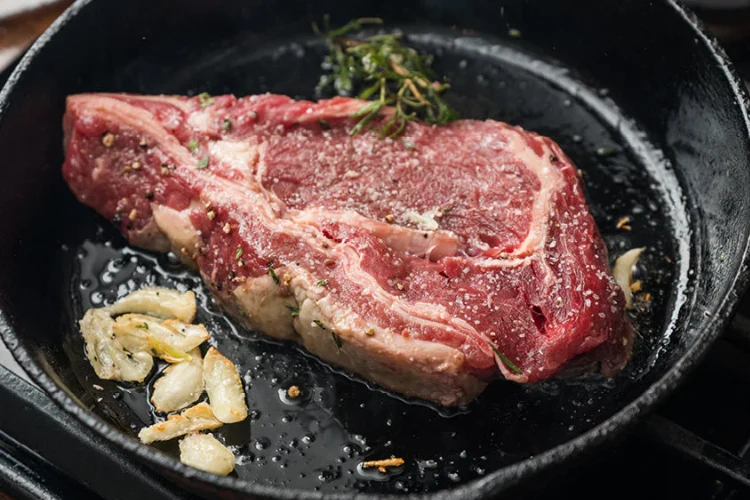
A tight commercial vacuum seal is the best protection against freezer burn there is.
View Product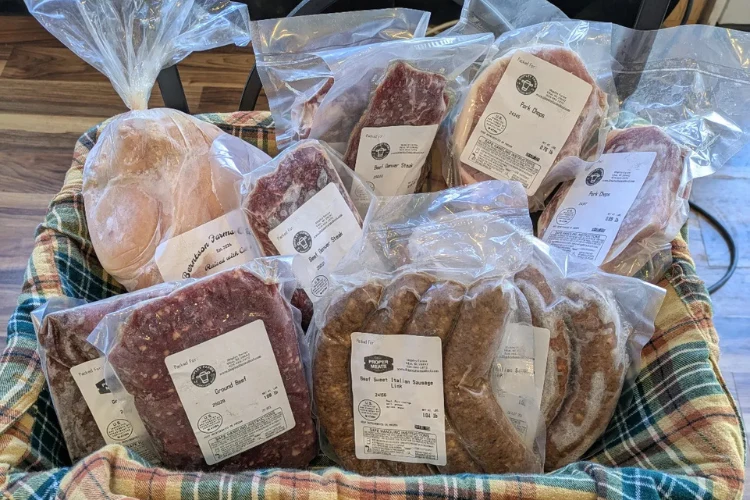
Individually sealed portions mean you open one and the rest stay protected.
View Product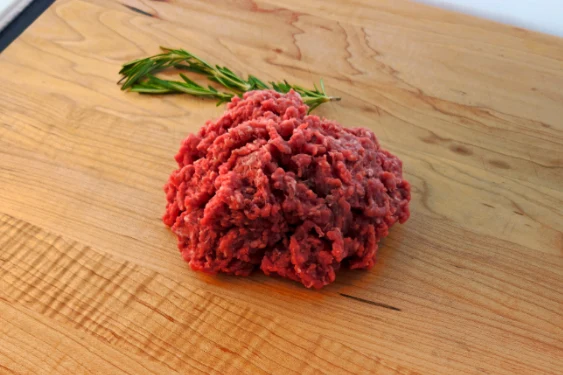
Ground beef burns fastest because almost all of it is surface. Freeze flat and use sooner.
View ProductSee how to freeze steak properly, how long beef lasts frozen, and how long a vacuum seal buys you.
Air out, temperature steady, oldest first. Freezer burn is almost entirely preventable.
- Freezing and Food Safety, USDA FSIS
Food-safety temperatures and storage times on this page are cited to the agencies above rather than to us.
Written at Shipley Farms in Vilas, North Carolina: a family cattle farm raising and dry-aging beef in the Appalachian Mountains, now in its fifth generation. No shortcuts since 1872.
Every quote on this page is Gray Shipley talking, the man who runs this farm. We sat down with him, turned on a recorder, and kept his own words. Hesitations are trimmed so they read on the page. Nothing else is added or reworded, except where Gray revised his own words in review.
Nobody knows this beef better than we do. On food safety we leave it to USDA FSIS, and we have linked their page above. Reviewed 3 October 2026.
Shipley Farms
Stories, recipes and news from Shipley Farms.