Sirloin vs Ribeye: Which Steak Should You Buy?
The most common steak decision there is, and it comes down to how much fat you want and how carefully you intend to cook.
These two account for most steak decisions, and the difference is almost entirely fat.
Ribeye
From the rib, along the back, where the animal does very little work. Heavily marbled, which means fat distributed through the muscle rather than around it. That fat melts as it cooks and bastes the steak from the inside, which is why a ribeye forgives a minute of overcooking.
“I don't want to talk down the filet because filet is, it is the premium steak in the animal. And it is so incredibly tender, but there are, I like fat and the filet doesn't have a lot of fat. And so, for me, I prefer to go to the other cuts and leave the filet for the folks that just really like that premium Chateaubriand tender steak.”
Gray Shipley
Sirloin
Further back, doing slightly more work. Leaner, firmer, with a cleaner beef flavor and a more obvious grain. Less forgiving precisely because there is less fat to cover an error, and better value per pound.
Which to buy
- Ribeye when it is an occasion, when someone else is cooking it, or when you want the richest result.
- Sirloin for a weeknight, for slicing into something, or when you want more steak for the money.
- Sirloin also when you are serving people who trim the fat off anyway, because on a ribeye they would be trimming off what they paid for.
“I like to sell the filets and the ribeyes and then eat the more lesser-known secondary cuts myself.”
Gray Shipley
The third option
Chuck eye sits between them on price and close to ribeye on eating, which we go into in chuck eye against ribeye.
“You can grill it, you can pan fry it, and stays tender even if you mess up and overcook it a little bit. All it needs is a little salt and pepper. That's a really easy way to start.”
Gray Shipley
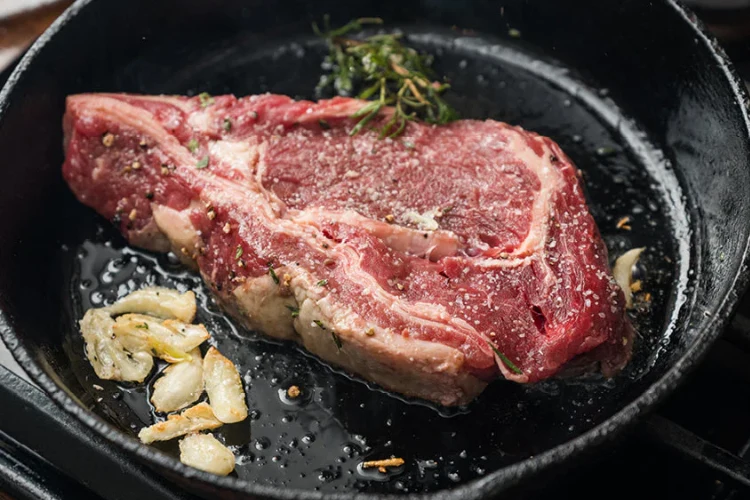
Marbled, forgiving, and the one to cook when it matters.
View Product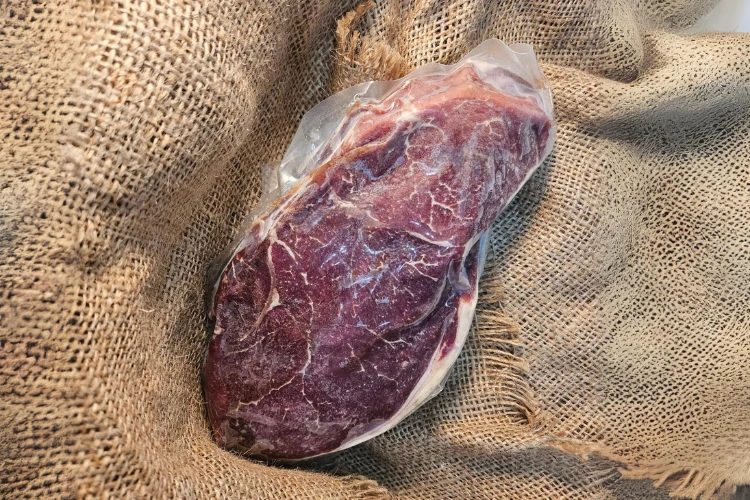
What is the difference between sirloin and ribeye?
Fat. The ribeye is heavily marbled and the sirloin is lean.
- Cook to a Safe Minimum Internal Temperature, FoodSafety.gov
- Grades and Standards: Beef, USDA AMS
Food-safety temperatures and storage times on this page are cited to the agencies above rather than to us.
Written at Shipley Farms in Vilas, North Carolina: a family cattle farm raising and dry-aging beef in the Appalachian Mountains, now in its fifth generation. No shortcuts since 1872.
Every quote on this page is Gray Shipley talking, the man who runs this farm. We sat down with him, turned on a recorder, and kept his own words. Hesitations are trimmed so they read on the page. Nothing else is added or reworded, except where Gray revised his own words in review.
Nobody knows this beef better than we do. On food safety we leave it to FoodSafety.gov, and we have linked their pages above. Reviewed 3 October 2026.
Shipley Farms
Stories, recipes and news from Shipley Farms.