Beef Tenderloin Medallions With Pan Sauce
Of all the recipes with beef tenderloin, medallions are the quickest way to a special dinner. Cut 1 1/2-inch rounds from the center of the tenderloin, sear them hard, baste them with butter, garlic and thyme, and make a cream pan sauce in the same skillet while they rest. Once the tenderloin is trimmed, dinner takes about 20 minutes.
Tenderloin is the most tender muscle on the animal and one of the mildest in flavor. It has very little fat, which is why it takes so well to a butter baste and a rich sauce. Bought whole, it also gives you more than one meal: medallions tonight, and a roast, more steaks or a stir-fry from the rest.
At a glance: serves 4. Prep 30 minutes, including trimming the whole tenderloin. Cook about 20 minutes.
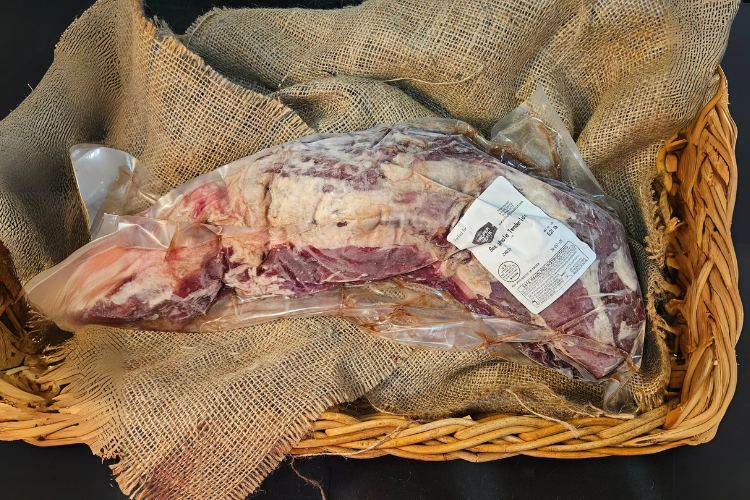
This recipe uses 4 medallions from 1 whole beef tenderloin, which leaves the rest for another meal or two.
Add 1 whole beef tenderloin to cartView ProductCooking for a full freezer instead? See the 1/8 beef share subscription.
Gray Shipley, who runs the farm, is fair about the tenderloin even though it is not the cut he reaches for himself. Talking about filet, the steak cut from it, he said:
“I like fat and the filet doesn't have a lot of fat. And so, for me, I prefer to go to the other cuts and leave the filet for the folks that just really like that premium Chateaubriand tender steak.”
Gray Shipley
If you are one of those folks, this recipe is for you, and it answers the point Gray makes. A medallion has very little fat of its own, so the butter it is basted in and the cream sauce it is served with bring the richness the meat does not carry. The beef stays at the center of the plate; the sauce fills in what is missing.
Ingredients
- 1 whole beef tenderloin, for 4 center-cut medallions 1 1/2 inches thick (5 to 7 ounces each)
- 1 1/2 teaspoons kosher salt
- 1 teaspoon freshly ground black pepper
- 1 tablespoon neutral oil, such as canola or avocado
- 3 tablespoons unsalted butter, divided
- 2 cloves garlic, lightly crushed
- 3 sprigs fresh thyme
- 1 large shallot, finely minced
- 1/4 cup Cognac or brandy, or another 1/4 cup beef stock
- 3/4 cup low-sodium beef stock
- 1/2 cup heavy cream
- 1 teaspoon Dijon mustard
Instructions
- Lay the tenderloin on a board. Pull away the chain, the long, loose strip of meat and fat that runs down one side, and set it aside. Trim off the surface fat and the silverskin, the thin, shiny membrane on top: slide a thin knife under one end of it, angle the blade slightly up, and cut along it while you hold the loose end taut.
- Cut four medallions 1 1/2 inches thick from the even center of the tenderloin. Wrap and refrigerate or freeze the thick head end, the thin tail and the chain for other meals. If a medallion looks loose or uneven, tie a loop of kitchen twine around its middle so it holds a round shape.
- Season the medallions all over with the salt and pepper. If you have time, do this 45 minutes ahead and leave them uncovered in the fridge. Pat them dry just before cooking.
- Heat the oil in a heavy 12-inch skillet over medium-high heat until it shimmers. Add the medallions with space between them and cook without moving them for 3 to 4 minutes, until deeply browned. Turn them and cook 2 minutes more.
- Lower the heat to medium and add 2 tablespoons of the butter, the garlic and the thyme. When the butter foams, tilt the pan and spoon it over the medallions again and again for 1 to 3 minutes, until a thermometer in the center of each reads your target. Many cooks take tenderloin off at 125 to 130 degrees F for medium rare. USDA FSIS sets 145 degrees F with a 3-minute rest as the safe minimum for beef steaks.
- Move the medallions to a plate to rest for 5 to 10 minutes, and snip off any twine.
- Pour off all but about 1 tablespoon of fat and discard the garlic and thyme. Add the shallot and cook over medium heat, stirring, for about 1 minute, until soft.
- Take the pan off the heat and add the Cognac, which can flare, then return it to the heat and simmer, scraping up the browned bits, until it has nearly cooked away, about 1 minute. Add the stock and boil until reduced by half, 3 to 4 minutes. Stir in the cream and Dijon and simmer until the sauce coats a spoon, 2 to 3 minutes.
- Take the pan off the heat and stir in the last tablespoon of butter and any juices from the plate. Taste for salt, spoon the sauce onto warm plates, and set the medallions on top.
Add 1 whole beef tenderloin to cart
How to trim a whole tenderloin
A whole tenderloin has a thick head end, a long, even center and a thin tail that tapers to a point. Down one side runs the chain, a loose strip of meat and fat. Over the top is the silverskin, which does not soften as it cooks and tightens in the pan, so it has to come off. Take your time. Use a thin, sharp knife, keep the blade angled up toward the membrane rather than down into the meat, and take it off in thin strips. A careful trim loses very little meat.
Medallions, filet mignon or tenderloin steaks?
Medallions cut from the center of the tenderloin are filet mignon steaks under another name, and the names are used loosely: some cooks call thinner rounds medallions and thicker ones filets. Beef Tenderloin vs Filet Mignon: What Is the Difference? covers the naming. What matters for this recipe is thickness. At 1 1/2 inches, a medallion gives you time to build a crust before the center passes medium rare. Thinner medallions need about a minute less on each side.
Making the sauce without Cognac
For a sauce without alcohol, skip the Cognac, use 1 cup of beef stock in all and reduce it by half, then add 1/2 teaspoon of lemon juice or sherry vinegar with the Dijon to give the sauce some of the edge the brandy would have. The cream and butter carry it the rest of the way.
More recipes with beef tenderloin
Most tenderloin beef recipes fall into three groups: steaks, a whole roast, or thin slices cooked fast, and a whole tenderloin covers all three. If you want a recipe for beef tenderloin roasted in one piece, How to Cook a Whole Beef Tenderloin walks through it. The head end makes two or three thick steaks or a small roast. The tail and the trimmed chain suit a stir-fry, kebabs or a steak sandwich: slice them thin across the grain and cook them hot and fast. Medallions you will not cook within a couple of days can go in the freezer, each wrapped tightly and labeled. To grill them instead, see How to Cook Filet Mignon: Grill or Cast Iron.
Food safety
USDA FSIS lists 145 degrees F, followed by a rest of at least 3 minutes, as the safe minimum internal temperature for beef steaks. Check each medallion with an instant-read thermometer pushed into the center from the side. Refrigerate leftovers promptly. See the FSIS Safe Minimum Internal Temperature Chart.
- Safe Minimum Internal Temperature Chart, USDA FSIS
Food-safety temperatures on this page are cited to USDA FSIS rather than to us.
Published by Shipley Farms. The quote on this page is Gray Shipley, who runs the farm, in his own words from a recorded interview, quoted exactly, or as he revised it in review.
On food safety we follow USDA FSIS, linked above.