How to Cook a Whole Beef Tenderloin
A whole tenderloin is the roast to cook when there are people coming and you do not want to spend the evening in the kitchen. It takes well under an hour.
Most large roasts need hours. A tenderloin needs about forty minutes, because it is lean and relatively thin for its weight.
Trim it first
- Silverskin off. It does not render and it will tighten and pull the roast out of shape.
- Chain off. The thin side muscle. Keep it for stir-fry.
- Tail tucked under and tied, so the roast is an even thickness end to end.
Tie it
Butcher's twine every inch and a half. This is the step people skip and it is what makes the difference between a roast that cooks evenly and one that is gray at the thin end and raw in the middle.
Sear, then roast
- Sear hard on all sides in a hot pan. Five minutes total, and it should be properly brown.
- Into a 275 degree oven on a rack.
- Thermometer in the thickest part, not touching the pan.
- Pull at about 120 for rare-to-medium-rare, allowing for carryover.
- Rest fifteen to twenty minutes before the twine comes off.
“So, I think that's the most common mistake is you're not sure, so you'll cook it a little longer. And you just don't need to.”
Gray Shipley
With a cut this expensive and this unforgiving, the thermometer is the cheapest insurance available.
“I think the easiest thing to do is to overcook it. And we've conditioned people to be fearful of foodborne illness, but clean, well-prepared meat that's raised responsibly, processed, handled responsibly, you know, that's not as much of a concern.”
Gray Shipley
Why it suits a dinner party
It cooks quickly, it rests happily for twenty minutes while everything else is finished, and it carves at the table into even rounds. Nothing else gives you that combination, which is why it is the classic choice when the number is more than six.
“Not as long as I should. Really should go eight to ten minutes. I sometimes barely give it five.”
Gray Shipley
What to serve with it
Something with fat in it, because the roast has very little. A sauce, a compound butter, or roast potatoes done in beef fat. The tenderloin brings texture and the plate has to bring the richness.
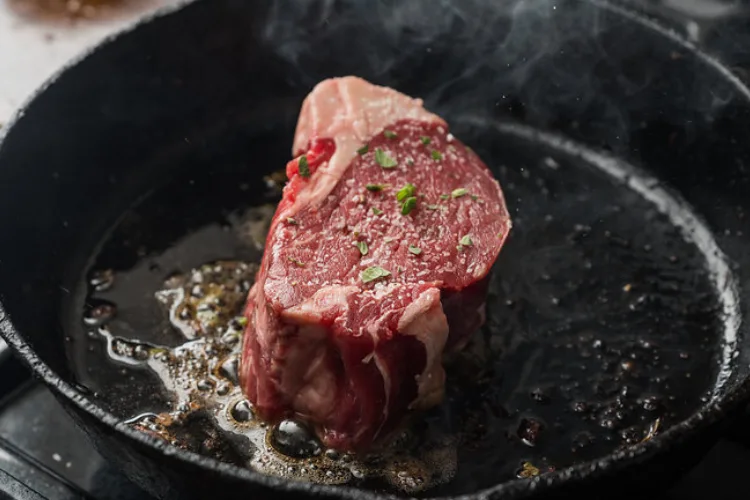
Dry-aged filet mignon. Very tender, very lean, and the one that needs the most help from fat and heat.
View Product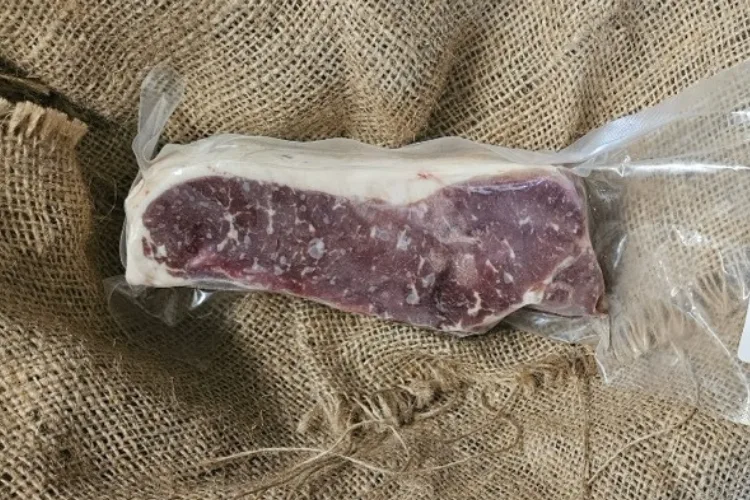
A whole boneless strip loin. Cut your own steaks, exactly as thick as you want them.
View Product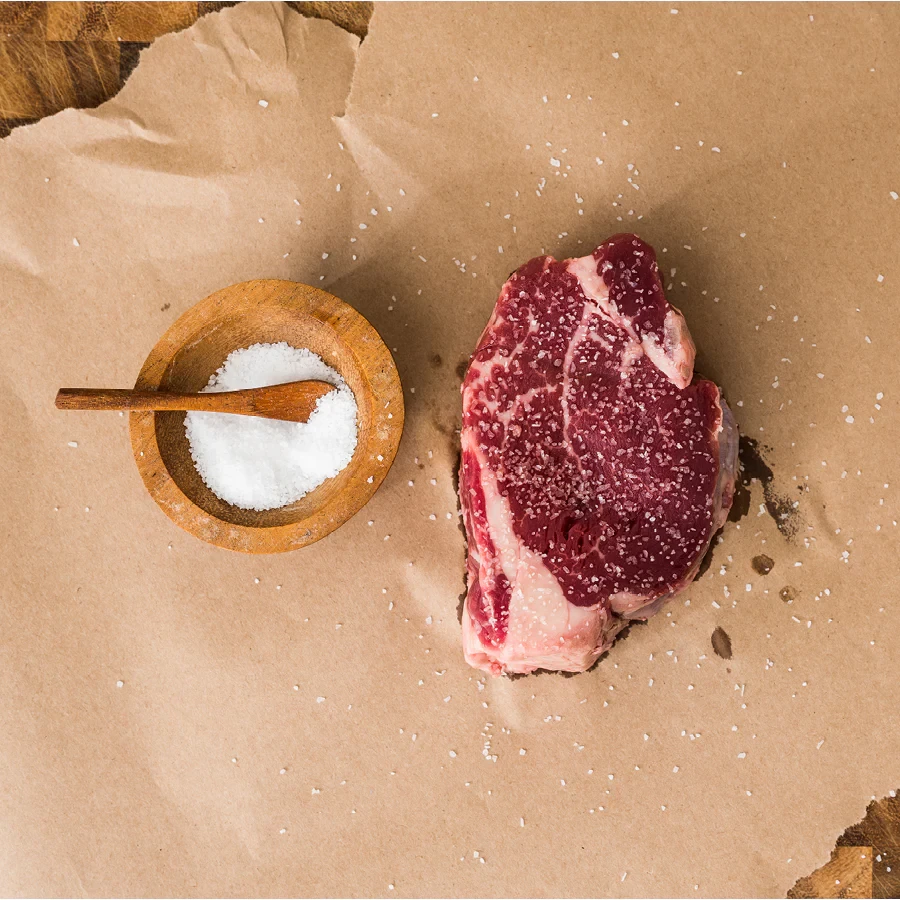
The same cut without the dry aging, when tenderness is the point and the occasion is ordinary.
View ProductThe naming question is settled in tenderloin vs filet mignon, and the table plan in how to host a steak dinner party.
- Cook to a Safe Minimum Internal Temperature, FoodSafety.gov
Food-safety temperatures and storage times on this page are cited to the agencies above rather than to us.
Written at Shipley Farms in Vilas, North Carolina: a family cattle farm raising and dry-aging beef in the Appalachian Mountains, now in its fifth generation. No shortcuts since 1872.
Every quote on this page is Gray Shipley talking, the man who runs this farm. We sat down with him, turned on a recorder, and kept his own words. Hesitations are trimmed so they read on the page. Nothing else is added or reworded, except where Gray revised his own words in review.
Nobody knows this beef better than we do. On food safety we leave it to FoodSafety.gov, and we have linked their page above. Reviewed 3 October 2026.
Shipley Farms
Stories, recipes and news from Shipley Farms.