How to Host a Steak Dinner Party
Steak is the hardest thing to serve a table and the best thing to serve a table, and the difference is entirely in the planning. Six people, one cut, one rest. Here is how it goes.
Six is the number. Up to six you can cook steak properly and still sit down. Past six you are running a service, and a slow cut will make you happier.
Pick one cut and buy it thick
One cut for the whole table. Different cuts cook at different speeds and you will lose track. Thick is the other half of it: a thick steak gives you a minute of margin, and a minute is the difference between serving and apologizing.
“And then, you know, let the flavor do the work and don't try to do too much.”
Gray Shipley
The schedule
- Two hours before. Steaks out of the refrigerator, dried, salted, left on a rack.
- Forty minutes before. Everything else cooked or ready to finish. Steak is the last thing.
- Fifteen minutes before. Pan on, hot, sear in batches of two.
- Ten minutes before. All steaks out and resting together on one board.
- Serve. Slice if the cut suits it, or plate whole.
The part that makes it work
“Not as long as I should. Really should go eight to ten minutes. I sometimes barely give it five.”
Gray Shipley
Resting is not a pause in the cooking, it is the thing that lets you serve six people at the same temperature at the same moment. Steaks seared in three batches all rest together and arrive together. Without the rest, the first steak is cold by the time the last one is done.
If you want the table to have something to talk about
“And I think granddad always thought of the farm as uncle Huston's farm. Uncle Huston didn't have any kids. And so he's his namesake, his tribute is our flagship ribeye.”
Gray Shipley
Serving a cut with a name and a reason behind it gives the table somewhere to go that is not the weather. Our flagship ribeye is named for Huston Shipley, who ran this farm until 1929 and had no children, so the best steak carries his name instead.
What to serve alongside
Keep it to two sides and make them both things that can sit. Anything that has to come out of an oven at the same moment as the steak is competing with the steak for your attention, and the steak will lose.
Doneness for a table
Cook the whole batch to one doneness and let people who want more take an end piece. Taking six separate orders is how the evening gets away from you. There is a full temperature chart here if you want the ranges.
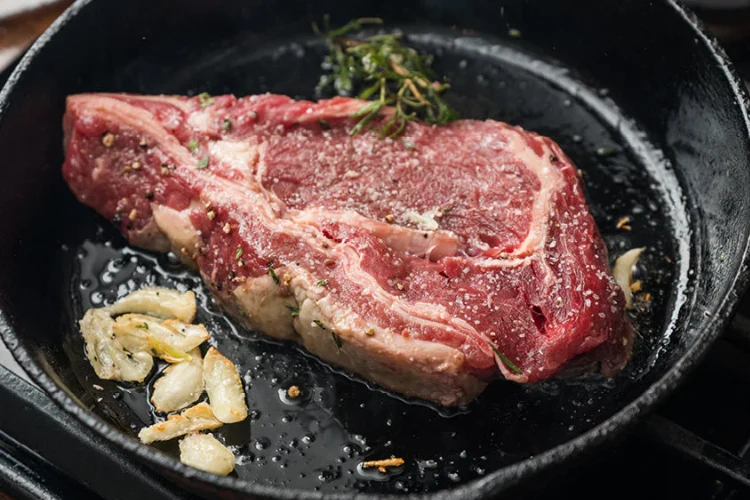
Our signature dry-aged ribeye. Thick enough to be forgiving and marbled enough to carry the night.
View Product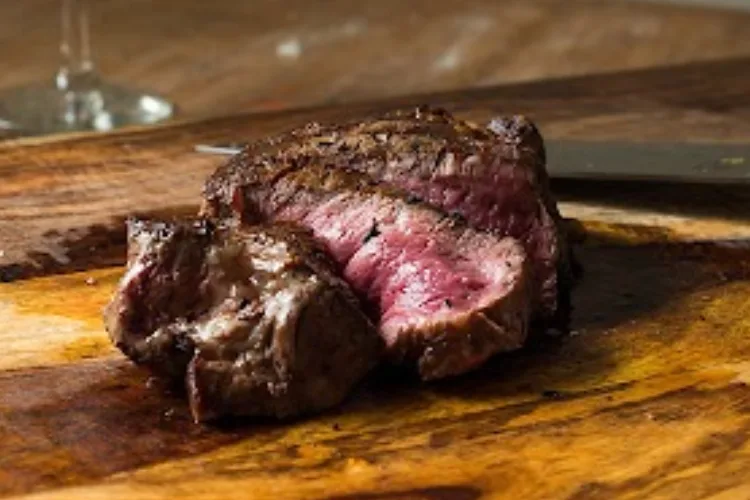
A dry-aged New York strip with a firm fat cap that tells you when the pan is ready.
View Product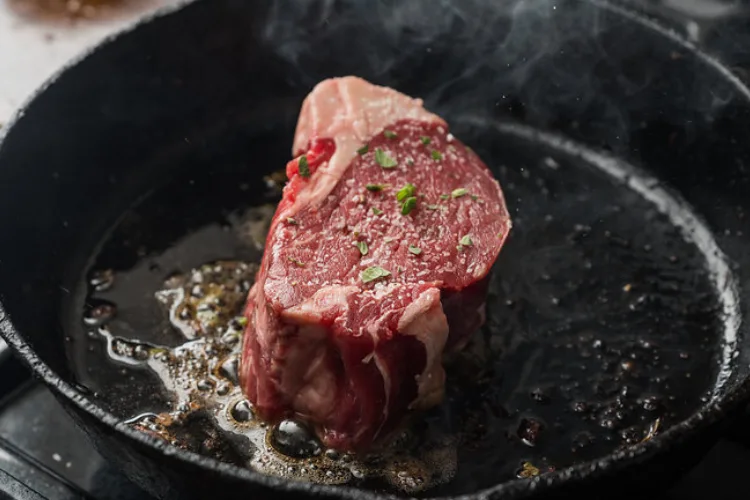
Dry-aged filet mignon. Lean, tender and the one most people name when they are asked to pick.
View ProductThe method for the pan itself is in how to pan-sear steak, and resting has its own guide because it is the step people skip.
- Cook to a Safe Minimum Internal Temperature, FoodSafety.gov
Food-safety temperatures and storage times on this page are cited to the agencies above rather than to us.
Written at Shipley Farms in Vilas, North Carolina: a family cattle farm raising and dry-aging beef in the Appalachian Mountains, now in its fifth generation. No shortcuts since 1872.
Every quote on this page is Gray Shipley talking, the man who runs this farm. We sat down with him, turned on a recorder, and kept his own words. Hesitations are trimmed so they read on the page. Nothing else is added or reworded, except where Gray revised his own words in review.
Nobody knows this beef better than we do. On food safety we leave it to FoodSafety.gov, and we have linked their page above. Reviewed 3 October 2026.
Shipley Farms
Stories, recipes and news from Shipley Farms.