How Long Should Steak Rest?
Eight to ten minutes. Gray Shipley will tell you himself that he often gives it five, which is honest and still better than cutting straight in.
The steak is off the heat, it smells like dinner, and everyone is standing in the kitchen. This is the moment the advice gets ignored.
Eight to ten minutes for a thick steak. Five for something thinner. We will let Gray answer first, because his answer is more useful than a rule.
“Not as long as I should. Really should go eight to ten minutes. I sometimes barely give it five.”
Gray Shipley
What resting actually does
Two things happen while a steak sits.
- Carryover cooking. Heat stored in the outside keeps moving inward. A thick steak commonly climbs about five degrees after it leaves the pan, which is why you pull it early.
- The juices settle. Cooking drives moisture toward the center under pressure. Resting lets that pressure ease so the liquid redistributes instead of running out the moment you cut.
That puddle on the board is not a sign of a juicy steak. It is the juice that is no longer in it.
How long, by thickness
- Thin, under three quarters of an inch. Three to five minutes.
- Around one inch. Five to eight minutes.
- An inch and a half or more. Eight to ten minutes.
- A roast. Fifteen to twenty, loosely covered.
Where to rest it
On a warm plate, not a cold one, and not tightly wrapped in foil. Foil traps steam against the crust you just spent effort building, and softens it. If the kitchen is cold, tent the foil loosely so air can still move.
It is worth remembering what that crust cost you. Gray's single most reliable piece of steak advice is about keeping the surface dry, and sealing a hot steak under foil undoes it in about two minutes.
“Get the moisture off the surface.”
Gray Shipley
Pull it early so the rest works for you
“So, I think that's the most common mistake is you're not sure, so you'll cook it a little longer. And you just don't need to.”
Gray Shipley
Resting and pulling early are the same habit viewed from two sides. If you cook to your target temperature and then rest, you will land above it. Take the steak off about five degrees low and let the rest do the last part.
Which cuts need it most
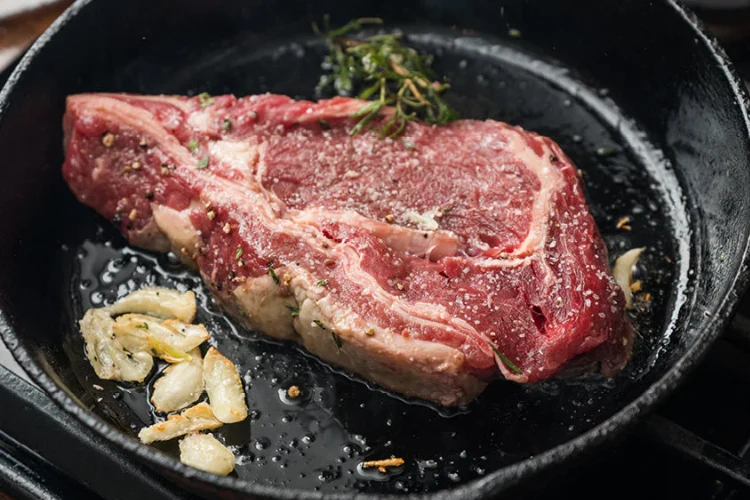
Thick and well marbled, so it holds heat through a rest and carries over several degrees.
View Product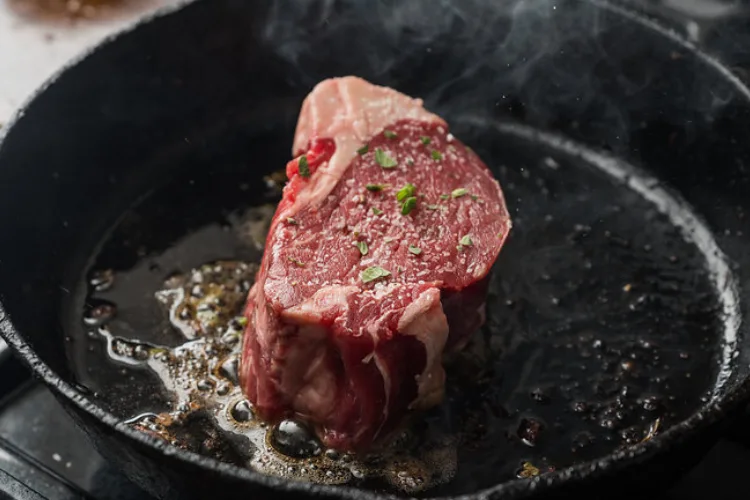
Very little fat to buffer it, which makes both pulling early and resting matter more.
View Product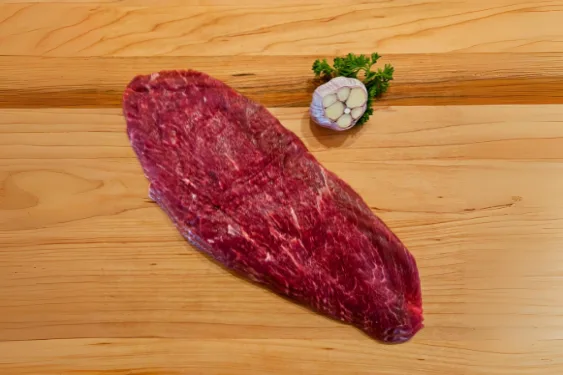
Thinner, so it needs a shorter rest. Five minutes is plenty.
View ProductThe temperature chart tells you where to pull it, the crust article explains why foil is a mixed blessing, and there is a worked recipe for our flagship ribeye if you want the whole sequence in one place.
Set a timer, pour something, and let it sit. It is the easiest improvement on this whole list.
- Cook to a Safe Minimum Internal Temperature, FoodSafety.gov
- Doneness Versus Safety, USDA FSIS
Food-safety temperatures and storage times on this page are cited to the agencies above rather than to us.
Written at Shipley Farms in Vilas, North Carolina: a family cattle farm raising and dry-aging beef in the Appalachian Mountains, now in its fifth generation. No shortcuts since 1872.
Every quote on this page is Gray Shipley talking, the man who runs this farm. We sat down with him, turned on a recorder, and kept his own words. Hesitations are trimmed so they read on the page. Nothing else is added or reworded, except where Gray revised his own words in review.
Nobody knows this beef better than we do. On food safety we leave it to USDA FSIS and FoodSafety.gov, and we have linked their pages above. Reviewed 3 October 2026.
Quick answers
How long should steak rest?
Eight to ten minutes for a thick steak (an inch and a half or more), five to eight for a one-inch steak, and three to five for anything thinner. A roast needs fifteen to twenty minutes.
Should you rest steak under foil?
No -- tightly wrapped foil traps steam and softens the crust you just built. Rest it uncovered on a warm plate, or tent foil loosely only if the kitchen is cold.
Shipley Farms
Stories, recipes and news from Shipley Farms.