Beef Tenderloin vs Filet Mignon: What Is the Difference?
This is a naming question rather than a beef question, and it has a clean answer. The tenderloin is a long muscle that runs along the spine. Filet mignon is a steak cut from it.
The tenderloin is a single long muscle tucked under the spine. It does almost nothing while the animal is alive, which is why it is the most tender thing on the carcass and also the least flavorful.
The difference, plainly
- Beef tenderloin. The whole muscle, usually two to five pounds trimmed. Sold as a roast or broken down by you.
- Filet mignon. A steak cut crosswise from that muscle, usually from the narrower end.
- Chateaubriand. A thick portion from the center, cut for two.
“And I can't prove this, but muscles that get used, get flavor and muscles that don't get used, stay tender. And that's why the tenderloin, those back muscles on the animal, back muscles on a four-legged animal don't get used much. That's where the saying living high on the hog comes from.”
Gray Shipley
| Name | What it is | How it is sold |
|---|---|---|
| Beef tenderloin | The whole muscle, tucked under the spine | Two to five pounds trimmed, as a roast or broken down by you |
| Filet mignon | A steak cut crosswise from that muscle | Usually from the narrower end |
| Chateaubriand | A thick portion from the centre | Cut for two |
Why buy the whole one
Cheaper per pound, and you control the thickness. Cutting your own steaks means every one of them is as thick as you want rather than as thick as somebody else decided, and thickness is the variable that most affects how a steak cooks.
The trade is work and waste. A whole tenderloin arrives with silverskin and a tapering tail, and dealing with both takes a sharp knife and twenty minutes.
How to break one down
- Remove the silverskin. It does not render and it will not chew. Slide the knife under and angle it slightly up.
- Separate the chain, the thin muscle running alongside. Save it for stir-fry or tartare.
- Cut from the center out so your best steaks are even.
- Keep the tail whole and use it where tenderness matters more than shape.
Why it costs what it does
“Yeah, there's probably about six or seven different cuts you get out of a pig. There's 40 or 50 that you can get out of a beef. And so there's so much there that people just don't realize.”
Gray Shipley
There are two tenderloins on an animal and they are small. That scarcity, rather than any difficulty in raising or handling them, is most of the price.
Which to buy
- Cooking for two. Buy filets. There is no saving worth the work.
- Cooking for a table. Buy the whole tenderloin and roast it whole.
- Stocking a freezer. Whole, cut to your thickness, wrapped individually.
“And we've made steak tartare out of our top round before, which is about the leanest cut in the animal. But Shipley Beef has that tenderness that you can even use the round and still make tartare.”
Gray Shipley
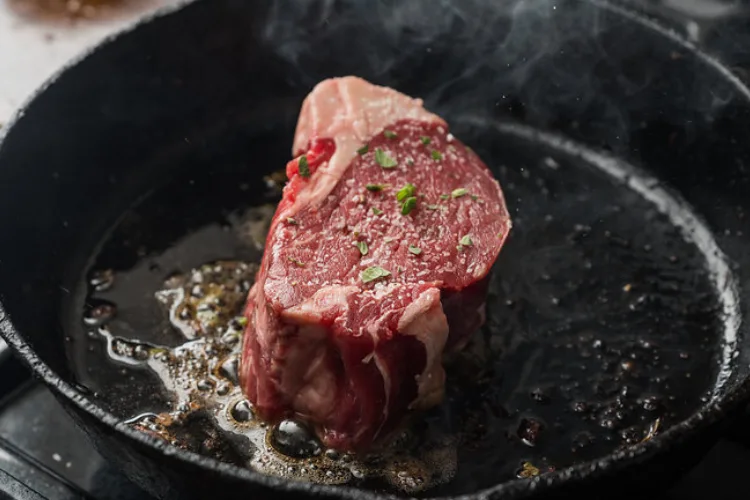
Dry-aged filet mignon. Very tender, very lean, and the one that needs the most help from fat and heat.
View Product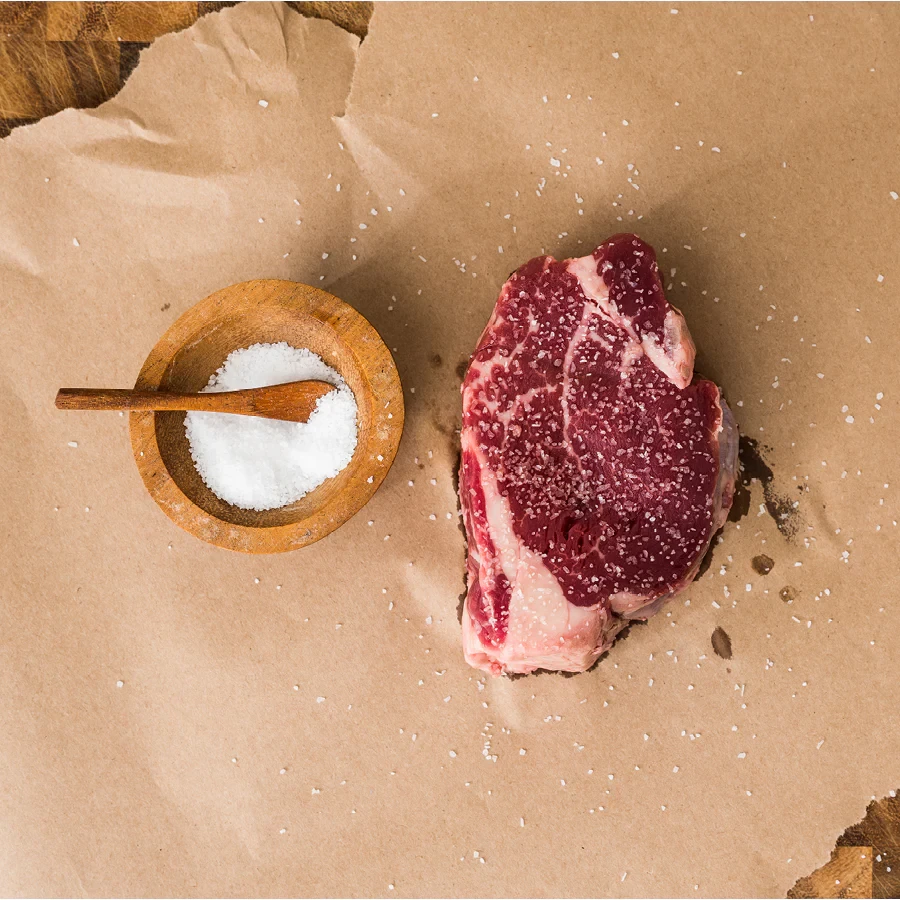
The same cut without the dry aging, when tenderness is the point and the occasion is ordinary.
View Product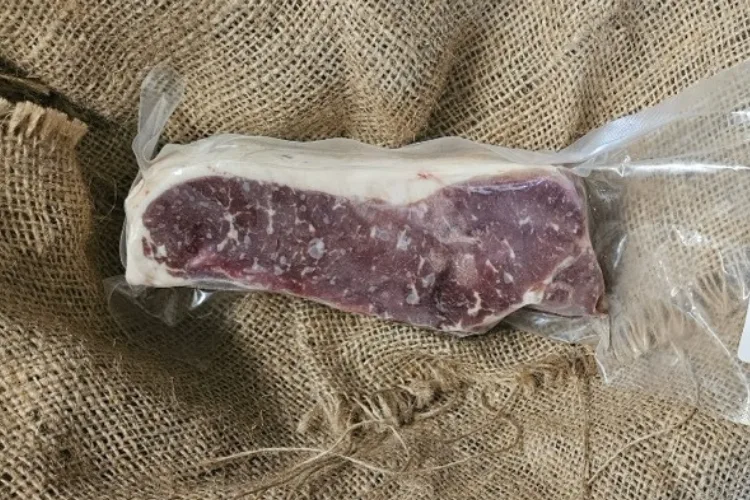
A whole boneless strip loin. Cut your own steaks, exactly as thick as you want them.
View ProductCooking it is in how to cook filet mignon, and how it compares to the other two steaks people choose between is in ribeye vs strip vs filet.
- Cook to a Safe Minimum Internal Temperature, FoodSafety.gov
Food-safety temperatures and storage times on this page are cited to the agencies above rather than to us.
Written at Shipley Farms in Vilas, North Carolina: a family cattle farm raising and dry-aging beef in the Appalachian Mountains, now in its fifth generation. No shortcuts since 1872.
Every quote on this page is Gray Shipley talking, the man who runs this farm. We sat down with him, turned on a recorder, and kept his own words. Hesitations are trimmed so they read on the page. Nothing else is added or reworded, except where Gray revised his own words in review.
Nobody knows this beef better than we do. On food safety we leave it to FoodSafety.gov, and we have linked their page above. Reviewed 3 October 2026.
Quick answers
Is beef tenderloin the same as filet mignon?
No. The tenderloin is the whole muscle, usually two to five pounds trimmed. Filet mignon is a steak cut crosswise from that same muscle, usually from the narrower end.
Which is better value, tenderloin or filet mignon?
A whole tenderloin is cheaper per pound and lets you cut your own steaks at whatever thickness you want, at the cost of trimming silverskin and a tapering tail yourself.
Shipley Farms
Stories, recipes and news from Shipley Farms.