Ribeye vs Strip vs Filet: Which Steak Should You Buy?
These are the three steaks almost everyone chooses between, and the difference between them is one variable. How much fat is in it, and how much work that muscle did.
All three come from muscles that did very little work, which is why all three are tender and none of them needs hours. The difference is fat.
“And I can't prove this, but muscles that get used, get flavor and muscles that don't get used, stay tender. And that's why the tenderloin, those back muscles on the animal, back muscles on a four-legged animal don't get used much. That's where the saying living high on the hog comes from.”
Gray Shipley
Ribeye
From the rib. The most marbled of the three, which means the most flavor and the most forgiveness. Fat renders as it cooks and bastes the steak from the inside, so a ribeye survives being left a minute too long better than either of the others.
Buy it when flavor is the point and when the person cooking is not certain of their timing.
“We run out of those at Christmas, but our flagship, we call it our Huston ribeye. It's named after my granddad's uncle Huston. He was the proprietor of the farm until 1929.”
Gray Shipley
New York strip
From the short loin. Less marbled than a ribeye, firmer, with an even grain and a fat cap along one edge. It is the most consistent of the three to cook because there is no large pocket of fat to render unevenly, and that fat cap tells you when the pan is hot enough.
Buy it when you want a clean steak flavor and an even result.
Filet mignon
From the tenderloin, which does almost nothing. The most tender thing on the animal and the leanest, which is the trade. There is very little fat to carry flavor, so it wants butter, a hard sear, or something on the plate beside it.
Buy it when texture is what the person cares about, and do not expect it to taste like a ribeye.
The cut that beats all three on value
“But if you're not looking for that top-end stuff, the flat iron steak is the second most tender. It's more tender than a ribeye.”
Gray Shipley
That is Gray's own ranking and it is worth taking seriously. The flat iron costs a fraction of a filet and he rates it above a ribeye for tenderness.
Choosing quickly
- Most flavor, most forgiving. Ribeye.
- Most even, cleanest. Strip.
- Most tender, leanest. Filet.
- Best value of the lot. Flat iron, and it is not close.
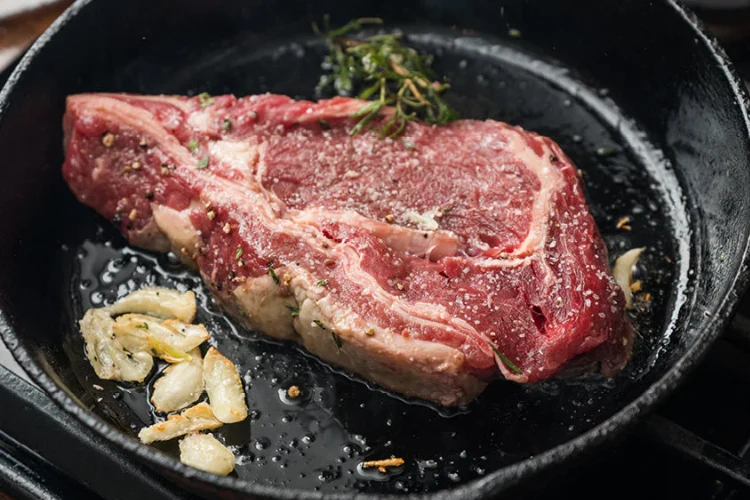
Our signature dry-aged ribeye. Heavily marbled, thick, and forgiving of a minute either way.
View Product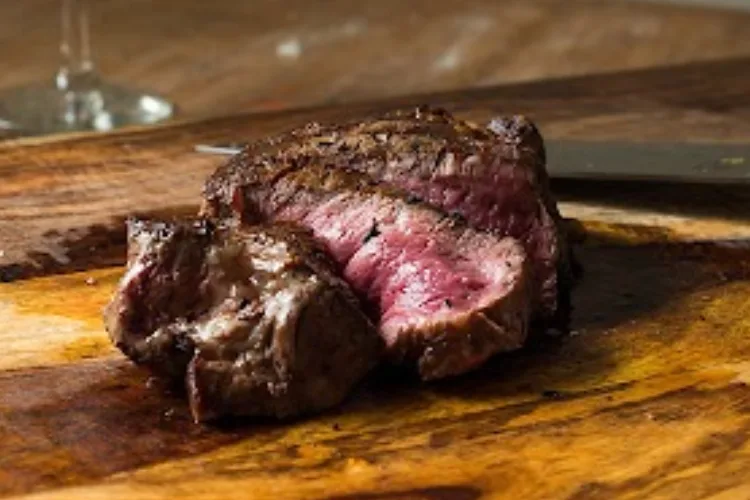
A dry-aged New York strip with a firm fat cap along one edge that tells you when the pan is ready.
View Product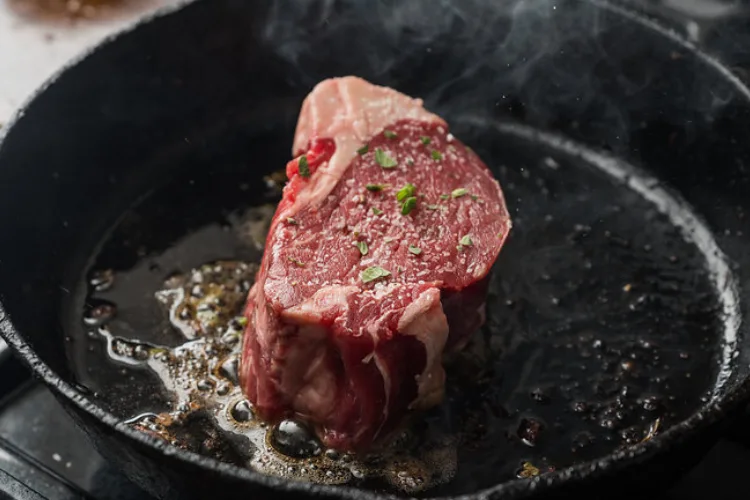
Dry-aged filet mignon. Very tender, very lean, and the one that needs the most help from fat and heat.
View ProductWhere each sits on the animal is in beef cuts explained, the tenderness ranking in most tender cuts, and the cooking ranges in the temperature chart.
- Cook to a Safe Minimum Internal Temperature, FoodSafety.gov
Food-safety temperatures and storage times on this page are cited to the agencies above rather than to us.
Written at Shipley Farms in Vilas, North Carolina: a family cattle farm raising and dry-aging beef in the Appalachian Mountains, now in its fifth generation. No shortcuts since 1872.
Every quote on this page is Gray Shipley talking, the man who runs this farm. We sat down with him, turned on a recorder, and kept his own words. Hesitations are trimmed so they read on the page. Nothing else is added or reworded, except where Gray revised his own words in review.
Nobody knows this beef better than we do. On food safety we leave it to FoodSafety.gov, and we have linked their page above. Reviewed 3 October 2026.
Shipley Farms
Stories, recipes and news from Shipley Farms.