Pasture-Raised vs Grass-Fed vs Grass-Finished Beef
These three terms get used as if they were interchangeable and they are not. The useful distinction is not how an animal started, because almost all of them start the same way.
Almost every beef animal in America spends the first part of its life on grass with its mother. That is how cattle work. So grass-fed, used loosely, describes nearly all of them and distinguishes almost nothing.
The three terms, plainly
- Pasture-raised. The animal lived on pasture rather than in confinement. It describes where it spent its life.
- Grass-fed. Its diet was grass and forage. Used loosely, this describes most cattle for most of their lives.
- Grass-finished. It was still on grass at the end, rather than being moved onto grain for the last months. This is the one that distinguishes.
Why the finish is the part that shows up on the plate
“And, what the livestock eat really translates into the quality of the fat. So the diversity of the forage on the pasture and staying on pasture as a primary diet, the way that the ruminants are designed.”
Gray Shipley
That is the mechanism, and it is why the end matters most. Fat laid down in the last months is the fat you eat, so what the animal was eating then is what you taste.
What the alternative looks like
“Maybe it's by, you know, taking them off a pasture and putting them into a confinement feedlot, feeding them low quality fillers, using steroids, using shortcuts using low quality beef. That's imported from somewhere using, there's something called meat glue now where you're taking low quality meat and forming it together to make it look like a filet. You're using chemical tenderizers.”
Gray Shipley
We are not going to pretend every grain-finished animal was treated like that. Plenty are not. But the practices Gray describes exist because the system rewards speed, and knowing that is why people start asking where their beef came from.
What we do, without dressing it up
“And so we're not trying to over manage or overgraze or overproduce or expect the animal to the land to give you more than it's able to give. That's where we err, I think, and thinking, okay, well, I need to get this land to produce more than it actually wants to. So instead of cooperating with nature, people use some stimulant, some chemicals, something to advance it along more than is natural.”
Gray Shipley
That is the whole philosophy and it is deliberately unglamorous. The land sets the pace rather than a target weight setting it.
How to check any of this
“But I think even if you've never stepped foot on the farm, your instinct will tell you when you get there, you know, does this feel right or does it not? Does it seem like we're, you know, managing land and livestock responsibly, or does this seem exploitative or extractive or abusive?”
Gray Shipley
Terms on a pack are a proxy for knowing. Some of them are regulated and worth understanding properly. None of them is as good as being able to ask.
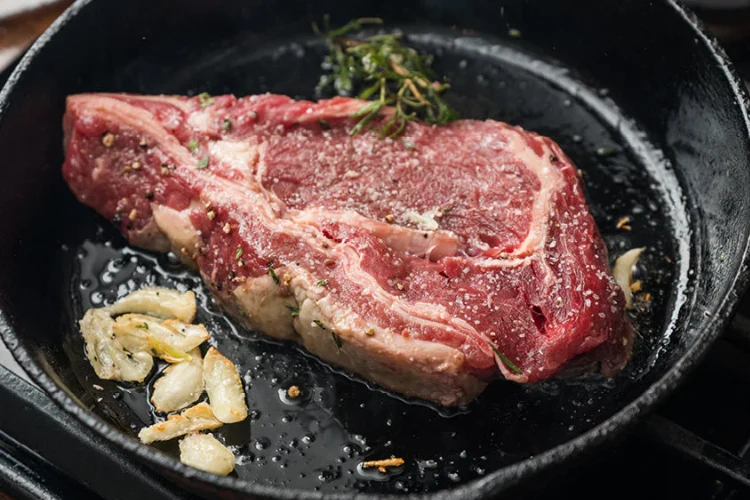
Our signature dry-aged ribeye. Thick enough to be forgiving and marbled enough to carry the night.
View Product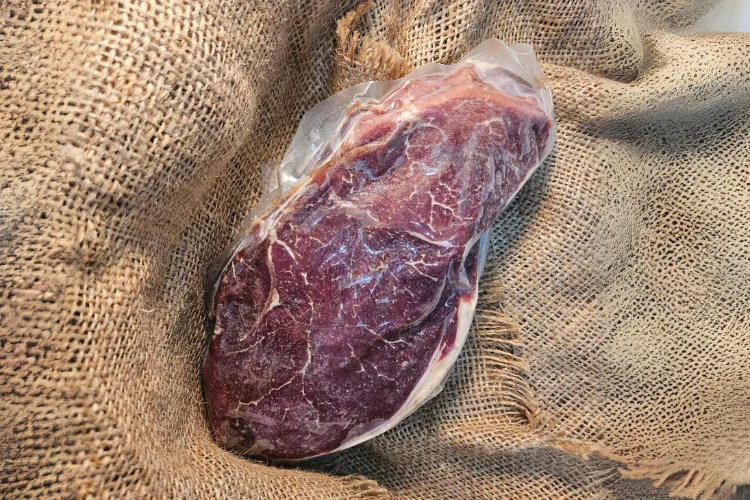
Lean, even and considerably easier on a budget when you are cooking for eight rather than two.
View Product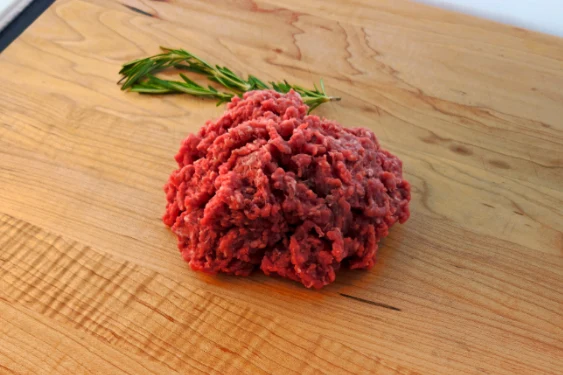
One pound packs of dry-aged ground beef. Four quarter-pounders or three third-pounders to the pack.
View ProductWhat marbling does and does not tell you is in what is beef marbling, and ingredient panels in what clean label means.
- Meat and Poultry Labeling Terms, USDA FSIS
- Grades and Standards: Beef, USDA AMS
Food-safety temperatures and storage times on this page are cited to the agencies above rather than to us.
Written at Shipley Farms in Vilas, North Carolina: a family cattle farm raising and dry-aging beef in the Appalachian Mountains, now in its fifth generation. No shortcuts since 1872.
Every quote on this page is Gray Shipley talking, the man who runs this farm. We sat down with him, turned on a recorder, and kept his own words. Hesitations are trimmed so they read on the page. Nothing else is added or reworded, except where Gray revised his own words in review.
Nobody knows this beef better than we do. On food safety we leave it to USDA FSIS, and we have linked their pages above. Reviewed 3 October 2026.
Shipley Farms
Stories, recipes and news from Shipley Farms.