Organic, Non-GMO and Natural Meat Labels Explained
Natural is the word people trust most and it is the one that tells you least about how an animal lived.
These words are not interchangeable and they are not equally meaningful. Two of them describe the package. Two of them describe the animal.
Natural: about processing, not about the animal
USDA FSIS defines natural as a product containing no artificial ingredient or added color, and only minimally processed, meaning processed in a way that does not fundamentally alter the product. The label has to carry a statement explaining what is meant by it.
Read that again and notice what is missing. Nothing in it concerns pasture, feed, confinement, hormones or antibiotics. A steak from an animal that never saw grass can be labeled natural, correctly.
No hormones administered, and no antibiotics added
These do describe the animal. FSIS allows no hormones administered on beef where the producer provides sufficient documentation to the agency showing no hormones were used, and allows no antibiotics added on the same documentary basis.
Worth knowing: hormones are permitted in beef production generally, which is why the claim exists for beef and is handled differently for pork and poultry.
“Maybe it's by, you know, taking them off a pasture and putting them into a confinement feedlot, feeding them low quality fillers, using steroids, using shortcuts using low quality beef. That's imported from somewhere using, there's something called meat glue now where you're taking low quality meat and forming it together to make it look like a filet. You're using chemical tenderizers.”
Gray Shipley
Organic
Organic is run by a different part of USDA, the Agricultural Marketing Service, under the National Organic Program. It is a full production standard rather than a single claim, and it is audited, which is why it costs what it costs.
Non-GMO
Non-GMO claims on beef are about the feed rather than the animal. They are typically verified by a third party rather than by USDA, so the weight depends on who did the verifying.
What we would actually look for
“You know where it came from. And so you can trust it. He just, it's too important to know what's in your food and where it comes from.”
Gray Shipley
“Well, first of all, if you have a chance, go see it. And you know, we underestimate our instincts and we've gotten so separated from farms and where our food comes from.”
Gray Shipley
A claim is a substitute for knowing. It is a good substitute when you cannot visit, and it is still a substitute. If you can see the place, or speak to the person who raised the animal, you are no longer reading the label for information you could get directly.
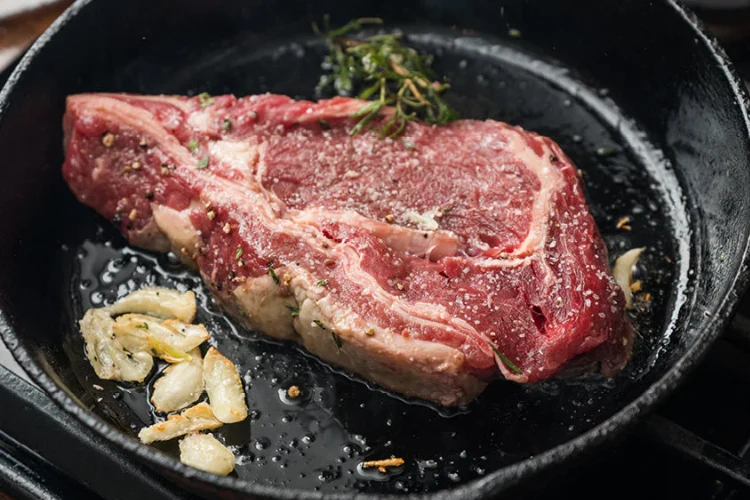
Our signature dry-aged ribeye. Thick enough to be forgiving and marbled enough to carry the night.
View Product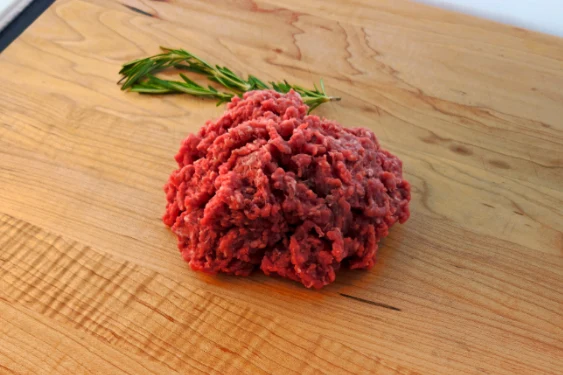
One pound packs of dry-aged ground beef. Four quarter-pounders or three third-pounders to the pack.
View Product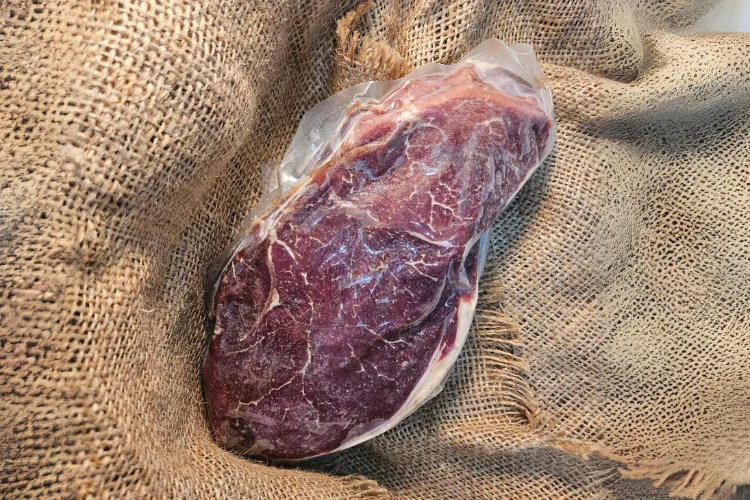
Lean, even and considerably easier on a budget when you are cooking for eight rather than two.
View ProductOn ingredient panels rather than claims, see what clean label means. On the raising terms specifically, pasture-raised vs grass-fed vs grass-finished.
- Meat and Poultry Labeling Terms, USDA FSIS
- Grades and Standards: Beef, USDA AMS
Food-safety temperatures and storage times on this page are cited to the agencies above rather than to us.
Written at Shipley Farms in Vilas, North Carolina: a family cattle farm raising and dry-aging beef in the Appalachian Mountains, now in its fifth generation. No shortcuts since 1872.
Every quote on this page is Gray Shipley talking, the man who runs this farm. We sat down with him, turned on a recorder, and kept his own words. Hesitations are trimmed so they read on the page. Nothing else is added or reworded, except where Gray revised his own words in review.
Nobody knows this beef better than we do. On food safety we leave it to USDA FSIS, and we have linked their pages above. Reviewed 3 October 2026.
Shipley Farms
Stories, recipes and news from Shipley Farms.