What Does Clean Label Mean for Meat?
Clean label is not a regulated term and nobody audits it, which makes it either meaningless or useful depending entirely on who is using it.
Start with the test, because it is short. Turn the pack over and read the ingredients. On a pack of beef there should be one.
“I, the more I learn about food, the more important to me, clean label and food that's made of food.”
Gray Shipley
Why it matters more on ground beef than on a steak
A steak is a steak. Ground beef has been through a machine, which makes it the easiest place in the meat case for something to be added, and the hardest place for you to see it.
“And then just what's on the label and what's actually in it? Is there anything that I can't pronounce? Is there anything that comes from a chemical factory? Is there anything made of petroleum instead of something that grows out of the ground or walks on it?”
Gray Shipley
That is the whole test, put plainly. Anything you would have to look up probably did not need to be there.
What gets added, and why
- Solutions and brines. Salt and phosphate injected to hold water. It makes the pack heavier and the meat spongier.
- Preservatives. To extend shelf life on a long supply chain.
- Color stabilizers. Because shoppers read brown as spoiled, when it is usually just oxidized.
None of those are needed when the chain between the animal and the plate is short. They are solutions to the problem of distance.
“And so quality is what's in your food and what's not in your food, the quality, what's going into it, as well as keeping some of the things out of it, that you don't want to be eating because it's not really food.”
Gray Shipley
Clean label is not a regulated term
Nobody certifies it, so it carries exactly as much weight as the person saying it. The terms that are regulated, like natural, no hormones administered and no antibiotics added, have specific meanings set by USDA FSIS, and they are worth knowing properly because several of them mean less than they sound like.
The shortcut
“You can connect straight to where your food comes from and what's going into it. You can feel like you have a relationship, and you can do your own quality control. You can do your own auditing to make sure that I know what I'm getting and I know what I'm buying.”
Gray Shipley
Buying closer to the source does not make you an expert on labels. It makes the label a smaller part of the decision, because you can ask a person instead of reading a panel.
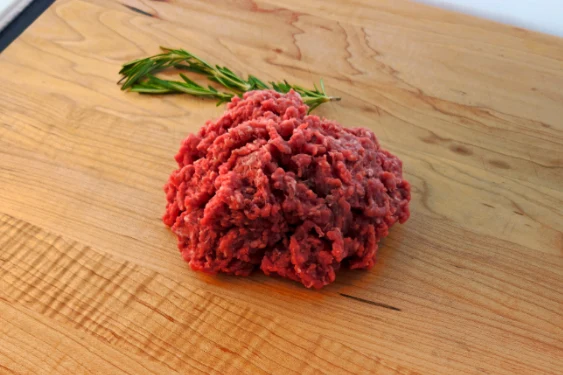
One pound packs of dry-aged ground beef. Four quarter-pounders or three third-pounders to the pack.
View Product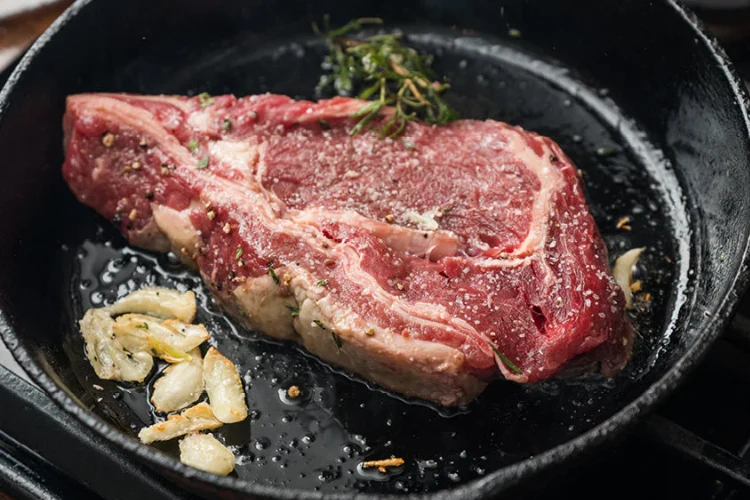
Our signature dry-aged ribeye. Thick enough to be forgiving and marbled enough to carry the night.
View Product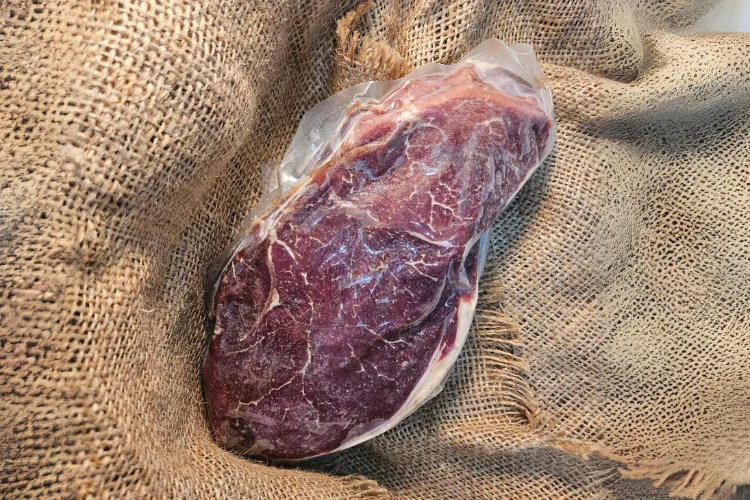
Lean, even and considerably easier on a budget when you are cooking for eight rather than two.
View ProductThe regulated terms are set out in organic, non-GMO and natural, and the raising claims in pasture-raised vs grass-fed.
- Meat and Poultry Labeling Terms, USDA FSIS
Food-safety temperatures and storage times on this page are cited to the agencies above rather than to us.
Written at Shipley Farms in Vilas, North Carolina: a family cattle farm raising and dry-aging beef in the Appalachian Mountains, now in its fifth generation. No shortcuts since 1872.
Every quote on this page is Gray Shipley talking, the man who runs this farm. We sat down with him, turned on a recorder, and kept his own words. Hesitations are trimmed so they read on the page. Nothing else is added or reworded, except where Gray revised his own words in review.
Nobody knows this beef better than we do. On food safety we leave it to USDA FSIS, and we have linked their page above. Reviewed 3 October 2026.
Shipley Farms
Stories, recipes and news from Shipley Farms.