What Is Beef Tallow? Rendered Beef Fat, Explained
Beef tallow is rendered beef fat, and very little else.
Tallow is beef fat that has been melted slowly, strained and allowed to set. That is the whole definition. What is left is clean, firm at room temperature and keeps for a long time without refrigeration.
How it differs from the other fats
- Lard is the same thing from a pig. Softer, slightly different flavor.
- Butter contains milk solids and water, which is why it burns at a temperature tallow is comfortable at.
- Seed and vegetable oils are extracted from seeds, usually with heat and solvents, and are liquid at room temperature.
“Use it instead of vegetable oil every chance you get.”
Gray Shipley
That is Gray's whole position on it, and it is the practical reason most people come to tallow.
| Fat | What it is | In a pan |
|---|---|---|
| Beef tallow | Rendered beef fat, melted slowly and strained | Comfortable at temperatures that burn butter |
| Lard | The same thing, from a pig | Softer, and slightly different in flavour |
| Butter | Milk solids and water as well as fat | Burns at a temperature tallow is comfortable at |
| Seed and vegetable oils | Extracted from seeds, usually with heat and solvents | Liquid at room temperature |
What it is actually used for
- Frying. The traditional use, and the one it is best known for.
- Roasting vegetables. Potatoes in beef fat are a different vegetable.
- Searing. Beef fat in a pan with beef in it is the obvious pairing.
- Skin. Which surprises people, and is not a new idea.
“The chemistry of beef tallow is almost identical to the chemistry of human skin. And so people don't think about tallow so much as soaps and lotions, but it is really enriching and nourishing for skin.”
Gray Shipley
That is the reason the balm exists and the reason tallow turns up in skincare rather than only in kitchens.
“Even not just for eating, it's nice to have a food product you can rub on your skin that still has health benefits, but my sister will use it for wrinkles. I'm not going to say which one. I'll use it for sunburn.”
Gray Shipley
Why it went away
Not because anybody decided it cooked badly. Seed oils were cheaper to produce at scale, easier to ship as a liquid and backed by decades of marketing. Restaurants that fried in beef fat moved across in the space of a few years, and a generation grew up without it in the cupboard.
Where ours comes from
From our own animals, because the fat is already here. A farm that sells whole animals has trim whether or not anybody wants it, which makes rendering it the obvious thing to do rather than a product decision.
One note on buying it: we list rendered cooking tallow in the online store, sold by the pound. The balm is listed separately, for skin rather than a pan.
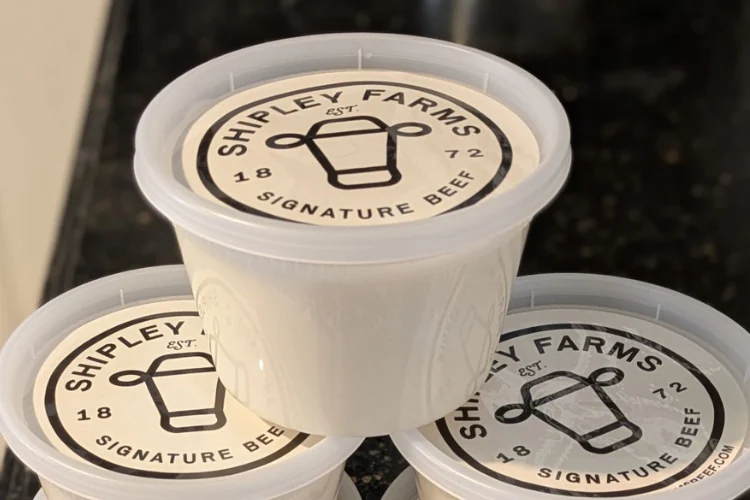
Rendered from our own cattle. One ingredient: beef fat, slowly rendered and strained. Shelf stable, no refrigeration needed.
View Product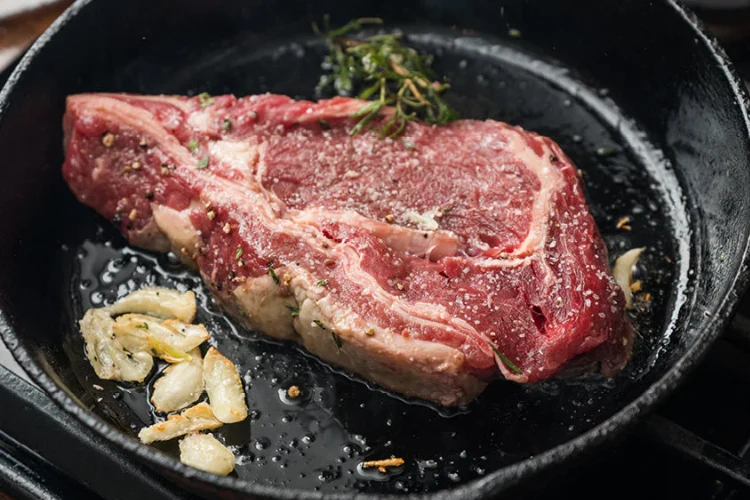
Our signature dry-aged ribeye. Thick enough to be forgiving and marbled enough to carry the night.
View Product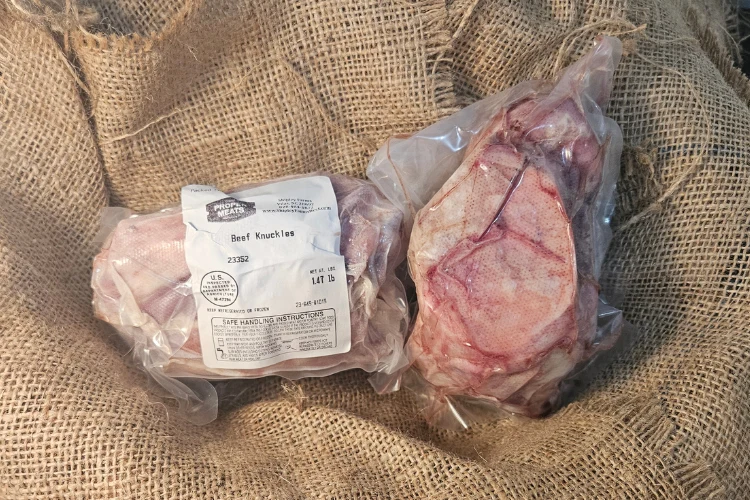
Beef broth bones. Hours of low simmer and you have something no carton can match.
View ProductMaking it is covered in how beef tallow is made, the full benefits-and-cooking guide is in Beef Tallow Benefits, Uses, and How to Cook With It, frying specifically in how to cook with beef tallow, and the wider argument in nose-to-tail beef.
- Freezing and Food Safety, USDA FSIS
Food-safety temperatures and storage times on this page are cited to the agencies above rather than to us.
Written at Shipley Farms in Vilas, North Carolina: a family cattle farm raising and dry-aging beef in the Appalachian Mountains, now in its fifth generation. No shortcuts since 1872.
Every quote on this page is Gray Shipley talking, the man who runs this farm. We sat down with him, turned on a recorder, and kept his own words. Hesitations are trimmed so they read on the page. Nothing else is added or reworded, except where Gray revised his own words in review.
Nobody knows this beef better than we do. On food safety we leave it to USDA FSIS, and we have linked their page above. Reviewed 3 October 2026.
Quick answers
What is beef tallow?
Rendered beef fat -- melted slowly, strained, and allowed to set. It is firm at room temperature and keeps for a long time without refrigeration.
What is beef tallow used for?
Mainly frying, roasting vegetables, and searing. It is also used in skincare, since its chemistry is close to that of human skin.
Shipley Farms
Stories, recipes and news from Shipley Farms.