How to Cook With Beef Tallow, Including Frying
Tallow behaves like a neutral oil with a better crust and a faint beefiness that suits almost everything savory.
Use it where you would use a neutral oil, and in a few places you would normally reach for butter and then regret it. Everything general about cooking with tallow -- the benefits, how it compares to other fats, when to reach for it instead of something else -- is in the full cooking guide. This page is just about frying in it.
“Use it instead of vegetable oil every chance you get.”
Gray Shipley
Why tallow frying is having a moment
“That's the only way you should do it. It may be lard, but if it's not lard, it has to be tallow.”
Gray Shipley
“Yeah, I, the beef tallow fry, Malcolm Gladwell did a podcast about this in his revisionist history series, Season 2. Very interesting.”
Gray Shipley
Fried food in this country was cooked in beef fat for most of its history and the change to seed oils happened quickly and recently. That is a documented shift rather than a nostalgic claim, and it is why tallow frying has become a subject again.
How tallow behaves in the fryer
It holds frying temperatures comfortably, where butter burns because of its milk solids. Use less than you would of oil: tallow coats differently, and a thin film goes further than the equivalent amount of oil would -- noticeable the first time you fry in it and find you did not need the usual quantity.
Straining and reusing frying tallow
Strain it while it is still liquid, through a fine sieve, into a clean container. It can be reused a few times before it is done. The signal is in the fat itself, not the clock: stop when it darkens or starts to smell of whatever you last cooked in it.
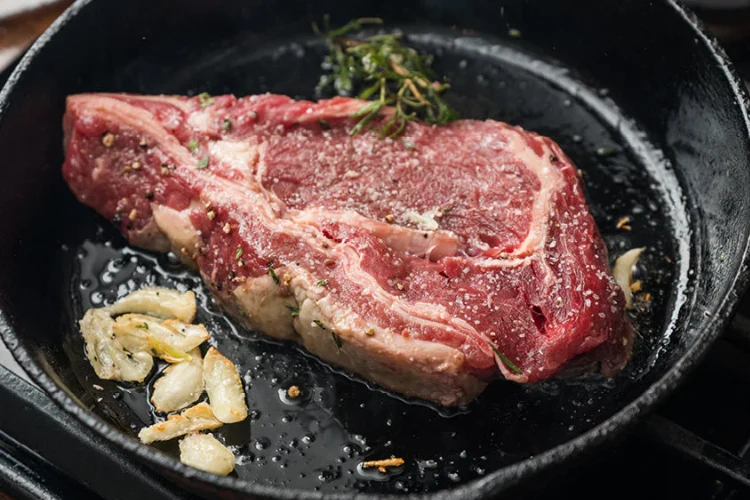
Our signature dry-aged ribeye. Thick enough to be forgiving and marbled enough to carry the night.
View Product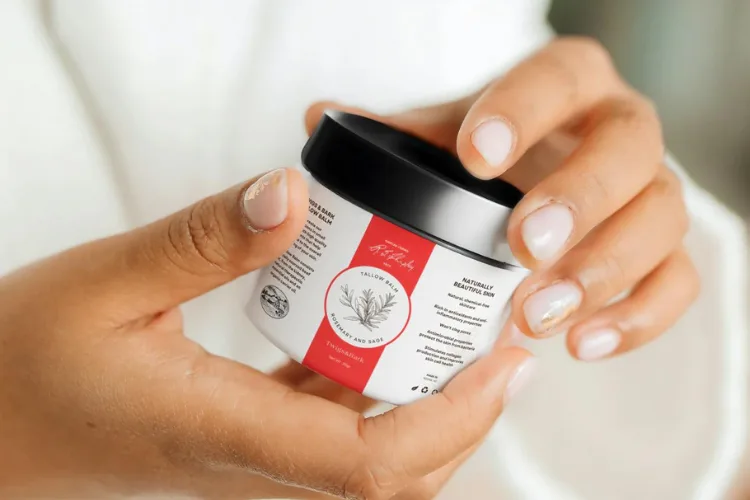
Shipley tallow balm, made by Twigs&Bark from our fat. The non-cooking use people are surprised by.
View Product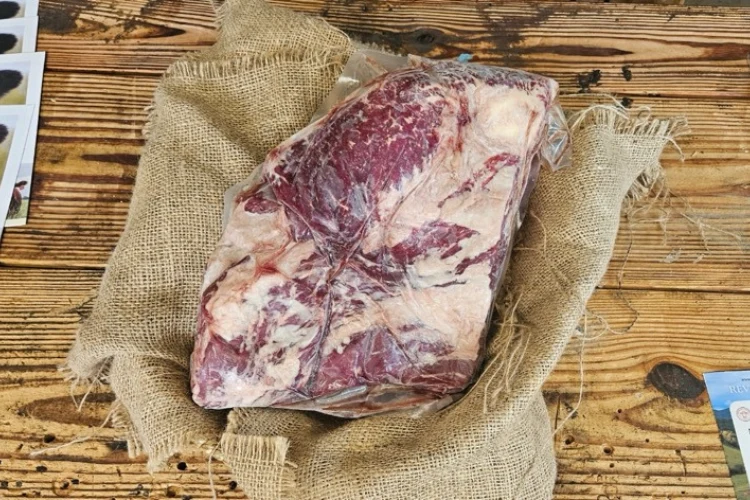
Whole dry-aged brisket. Feeds a crowd from one piece of meat, and rewards an early start.
View ProductRendering your own is in how beef tallow is made, the background in what is beef tallow, and the crust physics in how to get a great crust on steak.
- Cook to a Safe Minimum Internal Temperature, FoodSafety.gov
Food-safety temperatures and storage times on this page are cited to the agencies above rather than to us.
Written at Shipley Farms in Vilas, North Carolina: a family cattle farm raising and dry-aging beef in the Appalachian Mountains, now in its fifth generation. No shortcuts since 1872.
Every quote on this page is Gray Shipley talking, the man who runs this farm. We sat down with him, turned on a recorder, and kept his own words. Hesitations are trimmed so they read on the page. Nothing else is added or reworded, except where Gray revised his own words in review.
Nobody knows this beef better than we do. On food safety we leave it to FoodSafety.gov, and we have linked their page above. Reviewed 3 October 2026.
Shipley Farms
Stories, recipes and news from Shipley Farms.