How to Season Steak
Salt and pepper. That is the honest answer for a well-raised steak, and Gray Shipley says so plainly.
There is a lot of advice about seasoning steak, and most of it is trying to solve a problem that good beef does not have.
Here is the short version. Salt generously. Add coarse pepper. Stop.
“You know, a lot of steaks can do fine with just a little salt and pepper. But a good steak doesn't need too much seasoning.”
Gray Shipley
When to salt, which matters more than how much
Salt pulls moisture to the surface, then gradually draws it back in as a brine. That gives you two good moments and one bad one.
- Forty minutes or more ahead. The moisture comes out, then reabsorbs, and the surface dries again. Best result.
- Right as it hits the heat. No time for moisture to be drawn out at all. Also fine.
- Five minutes before. The worst of both. The surface is at its wettest exactly when you want it dry.
That third option is the most common, and it is why a well-seasoned steak sometimes refuses to brown.
“Get the moisture off the surface.”
Gray Shipley
Pepper, and when to add it
Coarse pepper is better than fine, because fine pepper scorches. If you are searing hot, add pepper after the sear or accept a little bitterness. If you are cooking gently, pepper from the start is fine.
When a rub earns its place
Rubs do good work on cuts that need help: tougher muscles, long cooks, smoke. A dry-aged steak is not one of those. The aging has already concentrated the flavor you would be covering up.
Marinades are a different tool again. They suit loose-grained cuts like skirt, flank and bavette, where there is grain for them to get into.
“When you have a chef that really understands the meat, that can really be a game changer with what a chef can create with good ingredients. Where he doesn't have to, he or she doesn't have to try to do too much, but just let the meat speak for itself.”
Gray Shipley
Which steaks need the least
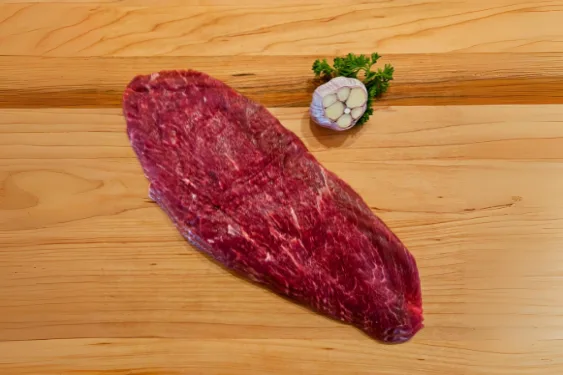
Gray's own example of a steak that asks for nothing but salt and pepper.
View Product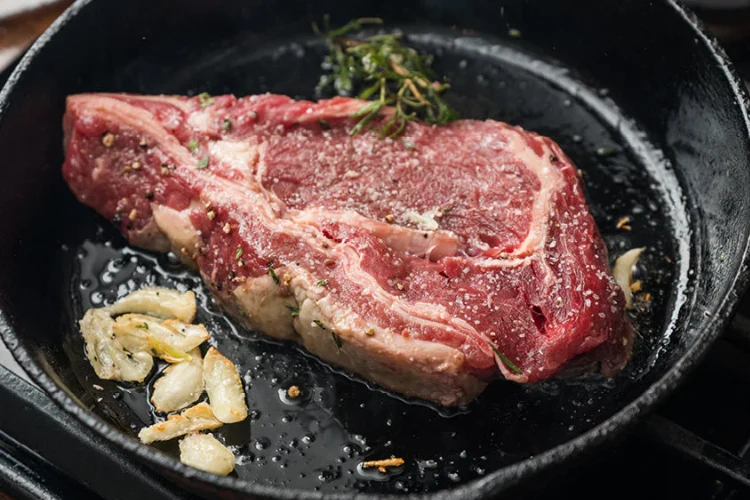
Marbling renders and bastes the steak, so heavy seasoning only gets in the way.
View Product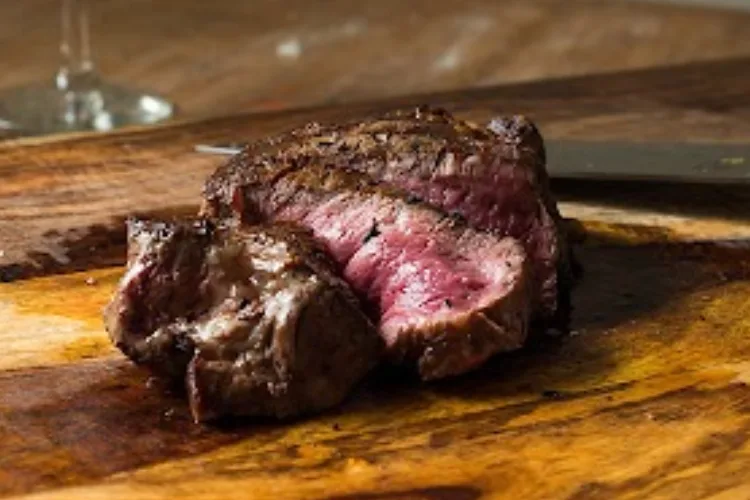
A strip holds a coarse pepper crust well along its fat cap.
View ProductSalt early or salt late, dry the surface either way, and read why that dry surface matters before you cook. Keep the temperature chart nearby, and the pan-searing method covers the rest of the sequence.
Good beef does not need rescuing. Season it like you trust it.
- Cook to a Safe Minimum Internal Temperature, FoodSafety.gov
Food-safety temperatures and storage times on this page are cited to the agencies above rather than to us.
Written at Shipley Farms in Vilas, North Carolina: a family cattle farm raising and dry-aging beef in the Appalachian Mountains, now in its fifth generation. No shortcuts since 1872.
Every quote on this page is Gray Shipley talking, the man who runs this farm. We sat down with him, turned on a recorder, and kept his own words. Hesitations are trimmed so they read on the page. Nothing else is added or reworded, except where Gray revised his own words in review.
Nobody knows this beef better than we do. On food safety we leave it to FoodSafety.gov, and we have linked their page above. Reviewed 3 October 2026.
Shipley Farms
Stories, recipes and news from Shipley Farms.