How to Butter-Baste a Steak: The Order, and the Mistakes
Butter-basting is the step that makes a home steak look like a restaurant one, and the most common way to get it wrong is to start it too early. Butter cannot survive the temperature a sear needs.
Butter contains milk solids and water. The solids are what brown and then burn, and they burn well below the temperature a steak needs for a crust. That one fact dictates the whole technique.
The order
- Sear in oil or beef fat first. Something that takes high heat without burning.
- Get the crust you actually want. Do not compromise this step for the basting.
- Drop the heat to medium. This is the step people skip, and it is what makes the rest work.
- Butter in, then aromatics. Thyme, rosemary, a crushed garlic clove.
- Tilt the pan and spoon, continuously, for about a minute.
Why it works
Hot fat spooned over the top cooks the steak from both directions at once, which evens out the result on a thick cut. The butter also carries the aromatics into the surface in a way that dry herbs on a plate never manage.
“And then, you know, let the flavor do the work and don't try to do too much.”
Gray Shipley
That is the limit worth respecting. One herb and one clove of garlic. Basting is a technique, not a sauce, and a pan with six things in it tastes of none of them.
“If you've ever had a steak or a burger that kind of has a bland gray color to it, what's happened is you've got water on the surface. And that water, you know, boils at 212 degrees. It won't let the meat, it won't let that searing, maillard reaction that you need at 350, 400, it won't let it happen. And you effectively end up boiling or steaming the meat instead of grilling and searing it.”
Gray Shipley
Which is why the steak has to be dry and already crusted before any butter goes near it. Add butter to a wet surface and the water keeps the pan at boiling point, nothing browns, and you have spent good butter on a pale steak.
Which steaks benefit most
- Filet. The obvious candidate. Very lean, so the butter is doing work the steak cannot do itself.
- Thick cuts generally. The spooning carries heat to the top face.
- Not a fatty ribeye, necessarily. It is already basting itself from the inside.
The mistakes
- Butter in at the start. Black solids, bitter crust, smoke.
- Pan still at full heat. Same result, slightly delayed.
- Basting for too long. A minute. Past that you are just cooking it further.
- Garlic sliced rather than crushed whole. Slices burn in seconds at this temperature.
“Not as long as I should. Really should go eight to ten minutes. I sometimes barely give it five.”
Gray Shipley
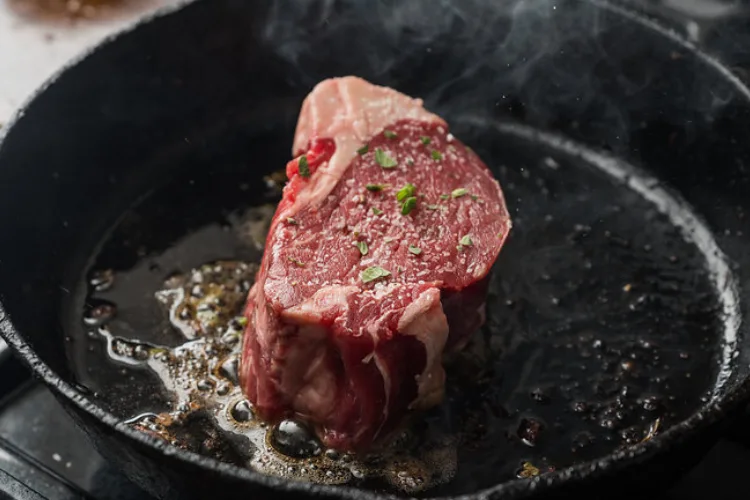
Dry-aged filet mignon. Very tender, very lean, and the one that needs the most help from fat and heat.
View Product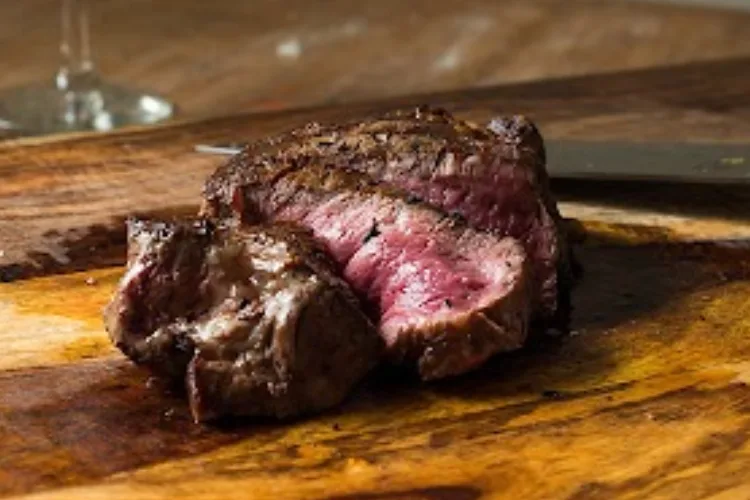
A dry-aged New York strip with a firm fat cap along one edge that tells you when the pan is ready.
View Product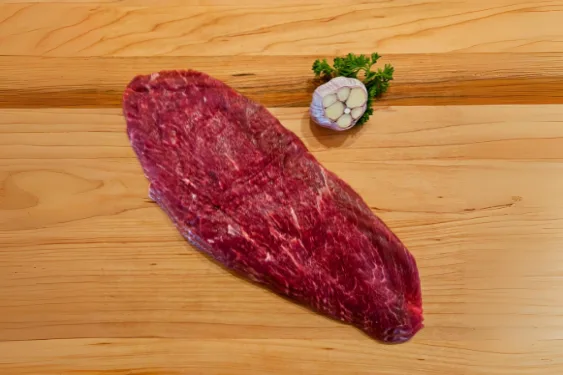
Dry-aged flat iron. Gray rates it above a ribeye for tenderness, and it costs considerably less.
View ProductThe sear itself is in how to pan-sear steak and how to get a great crust.
- Cook to a Safe Minimum Internal Temperature, FoodSafety.gov
Food-safety temperatures and storage times on this page are cited to the agencies above rather than to us.
Written at Shipley Farms in Vilas, North Carolina: a family cattle farm raising and dry-aging beef in the Appalachian Mountains, now in its fifth generation. No shortcuts since 1872.
Every quote on this page is Gray Shipley talking, the man who runs this farm. We sat down with him, turned on a recorder, and kept his own words. Hesitations are trimmed so they read on the page. Nothing else is added or reworded, except where Gray revised his own words in review.
Nobody knows this beef better than we do. On food safety we leave it to FoodSafety.gov, and we have linked their page above. Reviewed 3 October 2026.
Shipley Farms
Stories, recipes and news from Shipley Farms.