How to Cook Beef Liver
Liver has a reputation built almost entirely on bad versions of it. Cooked gray all the way through it is dry and metallic.
The problem with liver is almost never the liver.
“I think the easiest thing to do is to overcook it. And we've conditioned people to be fearful of foodborne illness, but clean, well-prepared meat that's raised responsibly, processed, handled responsibly, you know, that's not as much of a concern.”
Gray Shipley
Gray is talking about steak, and it applies twice over here. Liver has a very short window, and the habit of cooking everything until it is certainly done is what closes it.
Before it hits the pan
- Slice it thin. About a quarter inch. Thick slices cannot cook fast enough to stay tender.
- Soak it if you like. Thirty minutes in milk softens the mineral edge. Optional, and worth trying once to see whether you prefer it.
- Dry it properly. Wet liver steams. The same rule as any other sear.
- Season just before. Salt early draws moisture to the surface you just dried.
The method, which takes four minutes
- Heat a heavy pan until it is genuinely hot. Fat in, and let it shimmer.
- Liver in, in one layer, not crowded. It should sizzle immediately.
- Ninety seconds. Do not move it.
- Turn once. Sixty to ninety seconds on the second side.
- Out. It should still be faintly pink at the center.
What to cook it in
“Use it instead of vegetable oil every chance you get.”
Gray Shipley
Beef fat in a beef pan is the obvious pairing and it takes the heat without smoking the way a light vegetable oil does. Butter will burn at the temperature this needs; add it at the end if you want it.
Onions, and why they are not optional
Cook them first, slowly, until genuinely sweet, then set them aside and use the same pan. The sweetness is the counterweight to the mineral flavor, which is the whole reason the pairing survived this long.
How to tell it is done without cutting it
Press it. Raw liver is slack, overcooked liver is firm and springs back hard. The moment to take it off is when it has just lost the slackness and still gives under a finger. That is about a minute and a half a side on a quarter-inch slice, and it will carry on cooking for a few seconds after it leaves the pan.
If you are still unsure about it
“Yeah, there's probably about six or seven different cuts you get out of a pig. There's 40 or 50 that you can get out of a beef. And so there's so much there that people just don't realize.”
Gray Shipley
Liver is the cut most people have never had cooked properly, which makes it the one with the most upside. It is also inexpensive, so the experiment costs very little.
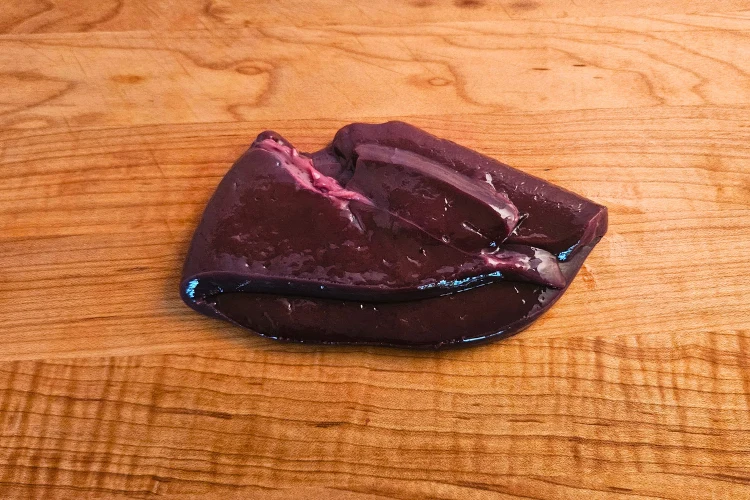
Beef liver from our own animals. Cheap, quick, and ruined only by overcooking.
View Product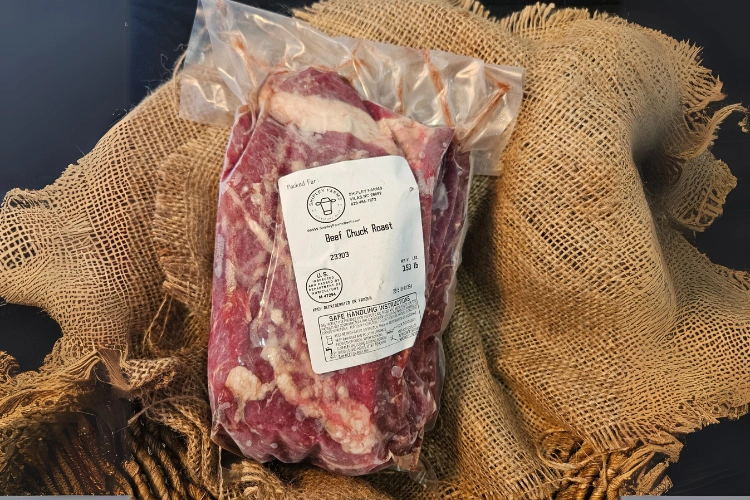
Dry-aged boneless chuck roast. In early, left alone, and it will be the thing people remember.
View Product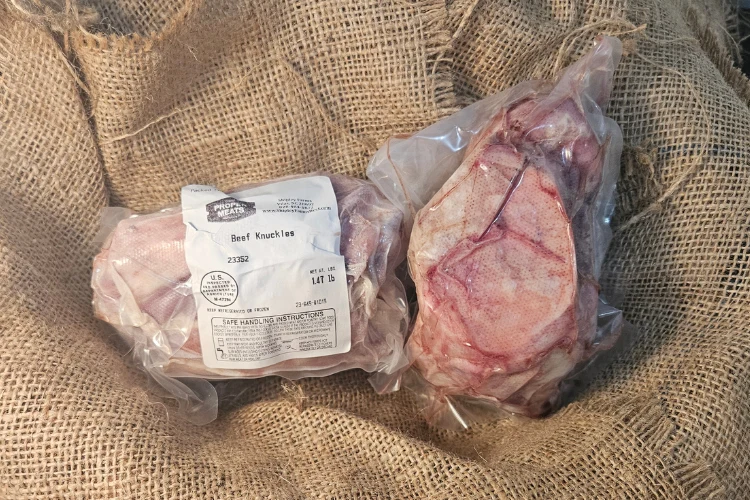
Beef broth bones. Hours of low simmer and you have something no carton can match.
View ProductThe wider argument is in nose-to-tail beef, and the searing physics in how to get a great crust.
- Cook to a Safe Minimum Internal Temperature, FoodSafety.gov
Food-safety temperatures and storage times on this page are cited to the agencies above rather than to us.
Written at Shipley Farms in Vilas, North Carolina: a family cattle farm raising and dry-aging beef in the Appalachian Mountains, now in its fifth generation. No shortcuts since 1872.
Every quote on this page is Gray Shipley talking, the man who runs this farm. We sat down with him, turned on a recorder, and kept his own words. Hesitations are trimmed so they read on the page. Nothing else is added or reworded, except where Gray revised his own words in review.
Nobody knows this beef better than we do. On food safety we leave it to FoodSafety.gov, and we have linked their page above. Reviewed 3 October 2026.
Shipley Farms
Stories, recipes and news from Shipley Farms.