Nose-to-Tail Beef: Using More of the Animal
A beef animal yields far more than the handful of cuts people name at a counter.
Ask most people to name cuts of beef and you will get six. Ask a butcher and the number changes entirely.
“Yeah, there's probably about six or seven different cuts you get out of a pig. There's 40 or 50 that you can get out of a beef. And so there's so much there that people just don't realize.”
Gray Shipley
That gap between six and fifty is the whole subject. Every animal produces all of it, whether or not anybody buys it.
Why it matters more to a small farm
A large operation sells into a system that moves every part somewhere, usually invisibly. A farm selling direct has to find a home for the whole animal itself, which means the cuts nobody asks for are a real problem rather than an abstract one.
“And I know that it's also going right back in the community that I'm buying it from and I'm not supporting something that's, I'm not sending the profit to a big conglomerate or to a foreign government-owned entity in Asia, I'm supporting my neighbors. And I'm keeping farmland as farmland, which we're losing way too much of.”
Gray Shipley
What gets overlooked, and what it is good for
- Liver. Cheap, quick and genuinely good when it is not overcooked.
- Bones. Stock that sets when it cools. Nothing in a carton does that.
- Marrow. Roasts in twenty minutes and spreads on toast.
- The working muscles. Chuck, brisket, shin. Hours of low heat and they beat a steak for depth.
- The butcher's cuts. Flat iron, bavette, hanger. The ones butchers historically kept.
“I go for the lesser-known cuts. But to me, I'm more interested in things like the flat iron and the chuck eye and the bavette steak that people know a little bit less about.”
Gray Shipley
It is not sacrifice
Nose-to-tail is usually presented as an ethical duty, which undersells it. The lesser-known cuts are cheaper and several of them taste better than what they replace. The flat iron is the obvious example and the one people are most surprised by.
“And so, it's thinking of our responsibility as not just serving ourselves, but serving our community, leaving people better off than we found them, helping people to learn and improve themselves and always be curious.”
Gray Shipley
Where to start
Start with bones, because the barrier is lowest and the result is the most obviously better than the supermarket version. Then liver, cooked fast and pink in the middle. Then a chuck roast given six hours instead of three.
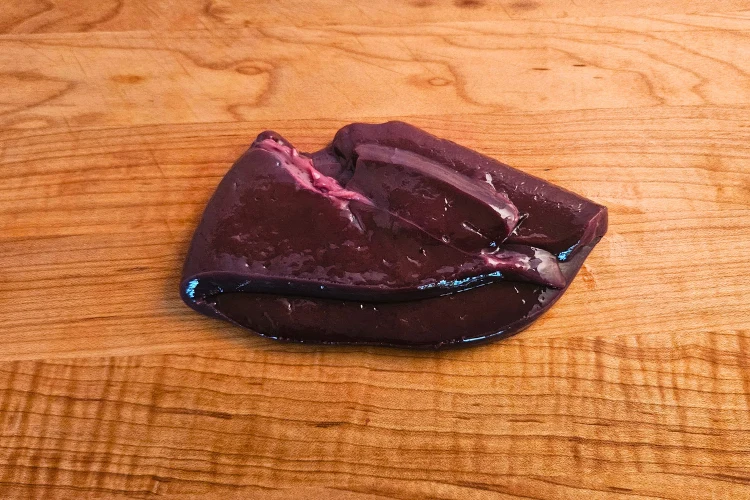
Beef liver from our own animals. Cheap, quick, and ruined only by overcooking.
View Product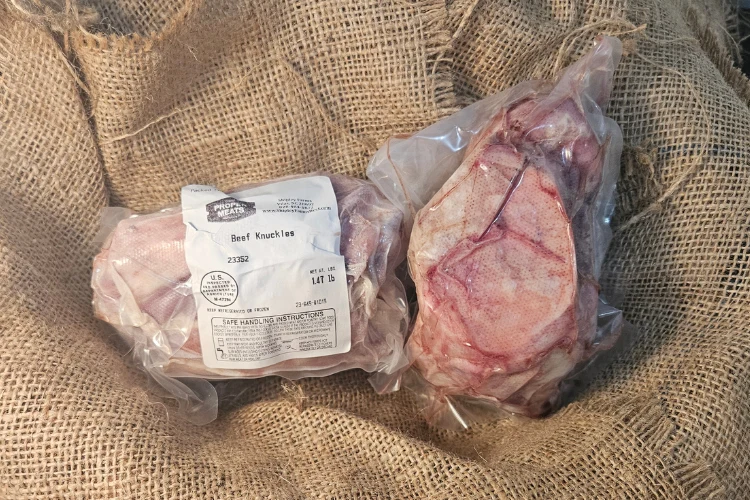
Beef broth bones. Hours of low simmer and you have something no carton can match.
View Product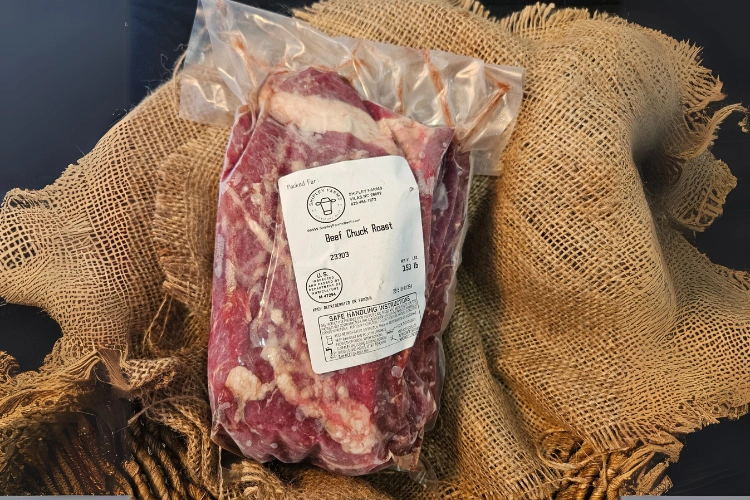
Dry-aged boneless chuck roast. In early, left alone, and it will be the thing people remember.
View ProductLiver has its own method in how to cook beef liver, the working muscles are in best beef cuts for slow cooking, and the flavor argument is in most flavorful cuts.
- Cook to a Safe Minimum Internal Temperature, FoodSafety.gov
Food-safety temperatures and storage times on this page are cited to the agencies above rather than to us.
Written at Shipley Farms in Vilas, North Carolina: a family cattle farm raising and dry-aging beef in the Appalachian Mountains, now in its fifth generation. No shortcuts since 1872.
Every quote on this page is Gray Shipley talking, the man who runs this farm. We sat down with him, turned on a recorder, and kept his own words. Hesitations are trimmed so they read on the page. Nothing else is added or reworded, except where Gray revised his own words in review.
Nobody knows this beef better than we do. On food safety we leave it to FoodSafety.gov, and we have linked their page above. Reviewed 3 October 2026.
Shipley Farms
Stories, recipes and news from Shipley Farms.