How Is Beef Tallow Made, and How to Store It
Rendering tallow is one of the few kitchen processes where doing almost nothing is the technique. Low heat, a long time, and patience. Rush it and you get something brown that tastes of the pan.
You need beef fat, a heavy pot and several hours in which you are doing something else.
Which fat
Suet, the hard fat from around the kidneys, renders cleanest and sets hardest. Trim from around the cuts works too and gives a slightly softer, beefier result. Either is fine; suet is the traditional choice.
The method, which is mostly waiting
- Cut it small or run it through a grinder. More surface renders faster and more evenly.
- Lowest heat you have. A splash of water in the pot at the start stops the first pieces scorching before any fat has melted out.
- Leave it. Two to four hours. Stir occasionally. It should never bubble hard.
- Strain it through a fine sieve or cloth into a clean jar while it is still liquid.
- Let it set at room temperature. It will go from amber to white as it hardens.
What is left in the sieve is cracklings. They are salted and eaten, not thrown away.
“That's the only way you should do it. It may be lard, but if it's not lard, it has to be tallow.”
Gray Shipley
“I, the more I learn about food, the more important to me, clean label and food that's made of food.”
Gray Shipley
Rendered tallow is a one-ingredient food, which is most of its appeal. Nothing is added to it and nothing needs to be.
Why low heat matters so much
Heat is what makes rendered fat taste of something other than itself. Too hot and the solids brown, the fat takes on that flavor and the result is dark and assertive instead of clean and neutral. Low and slow gives you a fat that tastes of almost nothing, which is the point.
Storing it
- Cool and dark. A sealed jar in a cupboard is traditional and works.
- Refrigerated if your kitchen is warm, or if you rendered it with any water left in it.
- Frozen if you made a lot. At zero degrees Fahrenheit it keeps safely, the same as anything else.
- Clean spoon every time. Crumbs and moisture introduced into the jar are what actually spoils it.
“Even not just for eating, it's nice to have a food product you can rub on your skin that still has health benefits, but my sister will use it for wrinkles. I'm not going to say which one. I'll use it for sunburn.”
Gray Shipley
If you would rather not
We render ours from our own trim, and it is listed in the online store as Rendered Beef Tallow, sold by the pound. The balm is a separate product, for skin rather than a pan.
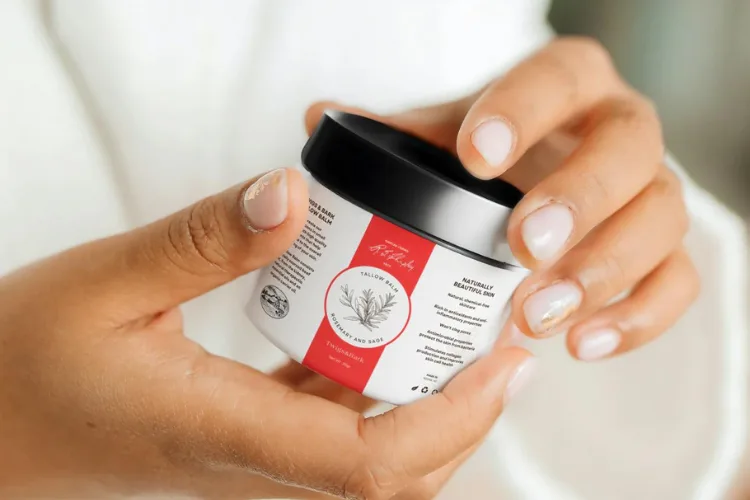
Shipley tallow balm, made by Twigs&Bark from our fat. The non-cooking use people are surprised by.
View Product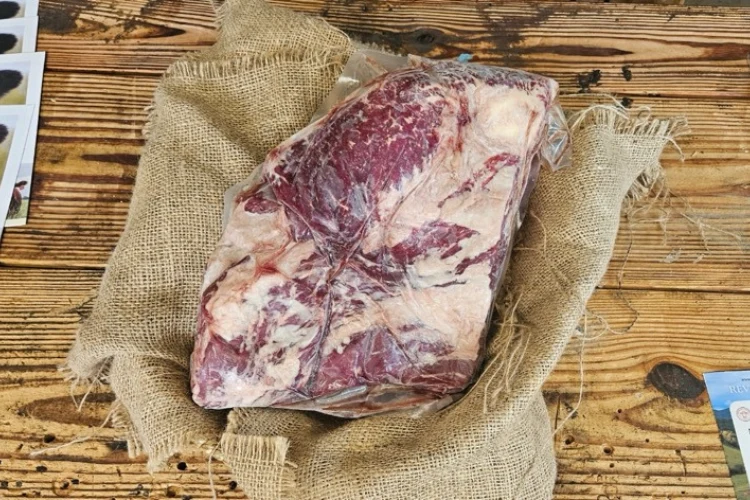
Whole dry-aged brisket. Feeds a crowd from one piece of meat, and rewards an early start.
View Product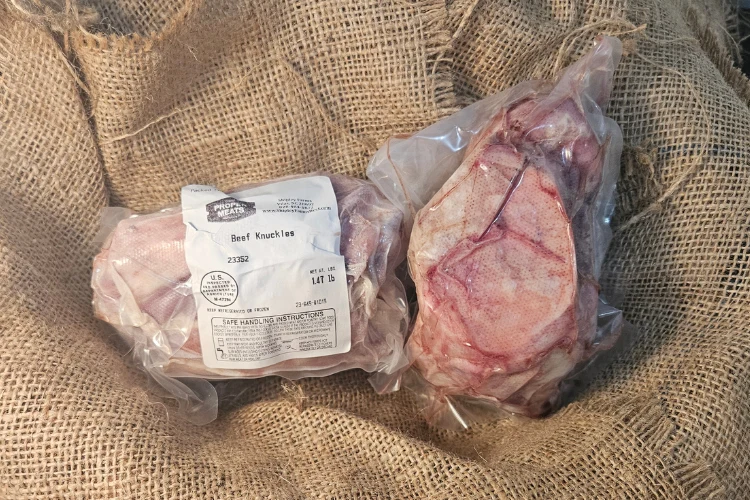
Beef broth bones. Hours of low simmer and you have something no carton can match.
View ProductWhat it is and what it is for is in what is beef tallow, the full guide to cooking with it -- benefits, comparisons, technique -- is in Beef Tallow Benefits, Uses, and How to Cook With It, and frying specifically in how to cook with beef tallow.
- Freezing and Food Safety, USDA FSIS
- Cold Food Storage Chart, FoodSafety.gov
Food-safety temperatures and storage times on this page are cited to the agencies above rather than to us.
Written at Shipley Farms in Vilas, North Carolina: a family cattle farm raising and dry-aging beef in the Appalachian Mountains, now in its fifth generation. No shortcuts since 1872.
Every quote on this page is Gray Shipley talking, the man who runs this farm. We sat down with him, turned on a recorder, and kept his own words. Hesitations are trimmed so they read on the page. Nothing else is added or reworded, except where Gray revised his own words in review.
Nobody knows this beef better than we do. On food safety we leave it to USDA FSIS and FoodSafety.gov, and we have linked their pages above. Reviewed 3 October 2026.
Quick answers
How is beef tallow made?
Beef fat (suet or trim) is melted on the lowest heat for two to four hours, strained through a fine sieve while liquid, then left to set at room temperature, going from amber to white as it hardens.
How do you store beef tallow?
Sealed in a jar -- cool and dark works short-term, refrigerate in a warm kitchen, or freeze for long-term storage. Use a clean spoon every time, since moisture and crumbs are what spoil it.
Shipley Farms
Stories, recipes and news from Shipley Farms.