What Is Beef Marbling and Why Does It Matter?
Marbling is the fine fat inside the muscle, not the fat around the edge. It melts as the steak cooks, which is why a well-marbled steak tastes of more and forgives you more. Here is what to look for.
If you have stood at a counter comparing two steaks and wondered what the white threads mean, that is marbling, and it is the single most useful thing you can read off a raw steak.
Marbling is fat inside the muscle. It is not the band of fat around the outside, which is the fat cap, and it is not the connective tissue that turns silky in a long braise.
What it does while you cook
- It melts. Intramuscular fat renders at a lower temperature than the muscle takes to cook, so it liquefies inside the steak.
- It carries flavor. Many of the compounds we taste as beefiness are fat soluble, so they live in the fat rather than the lean.
- It buys you margin. A marbled steak held a minute too long is still pleasant. A lean one is not.
That third point is the one people underrate. Marbling is partly insurance.
Fat is not a flaw
“You know, I don't want to talk down the filet because, you know, filet is, I mean, it is the premium steak in the animal. And it is so incredibly tender, but there are, I like fat and the filet doesn't have a lot of fat. And so, for me, I prefer to go to the other cuts and leave the filet for the folks that just really like that premium Chateaubriand tender steak.”
Gray Shipley
That is Gray being fair to the filet and honest about his own preference at the same time. Lean is a property, not a virtue.
How to read it on a raw steak
- Look for fine, even threads rather than a few thick seams. Fine marbling melts evenly.
- Check it spreads across the whole face of the steak, not just near the fat cap.
- Bright white or creamy is normal. Gray or dull suggests age or poor handling.
- Thickness matters alongside it. A thin, well-marbled steak still overcooks fast.
What marbling does not tell you
Marbling is also what USDA grading is largely assessing, though a grade is a separate question from ours. It says nothing about how the animal was raised, what it ate, or how long the beef was aged. Those are separate questions, and they are the ones worth asking a farm directly. Marbling is just the one thing you can see.
It also does not account for all the flavor. Gray's own explanation points at something marbling cannot show you.
“But the muscles that get used, that's where the flavor comes from. That's why the brisket is so good if you can cook it right.”
Gray Shipley
So a heavily marbled steak from a worked muscle is the best of both, which is roughly what a ribeye is.
Season light and let the fat work
“You know, a lot of steaks can do fine with just a little salt and pepper. But a good steak doesn't need too much seasoning.”
Gray Shipley
Marbling across our steaks
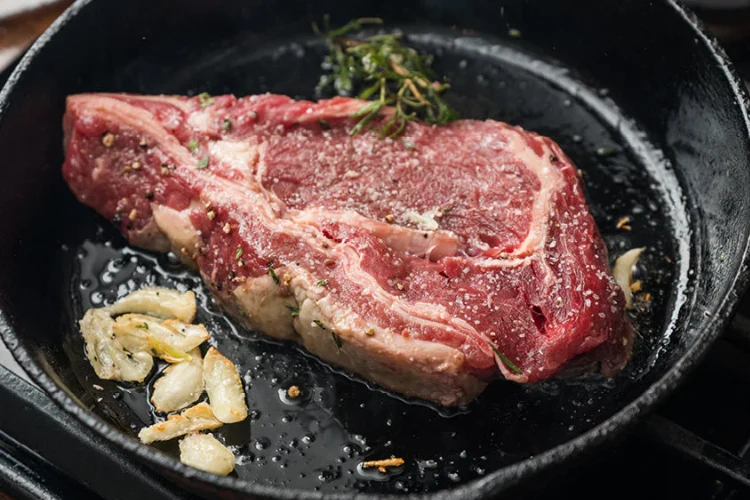
The cut where marbling is most visible and does the most work.
View Product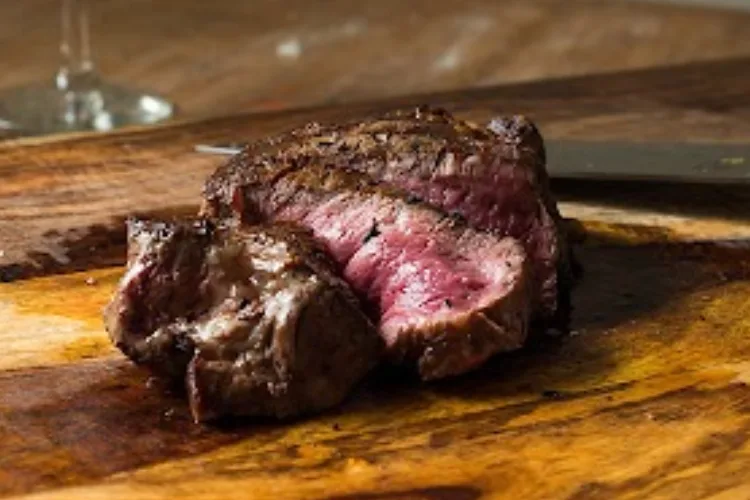
Less interior marbling than a ribeye, with one firm edge of fat to render.
View Product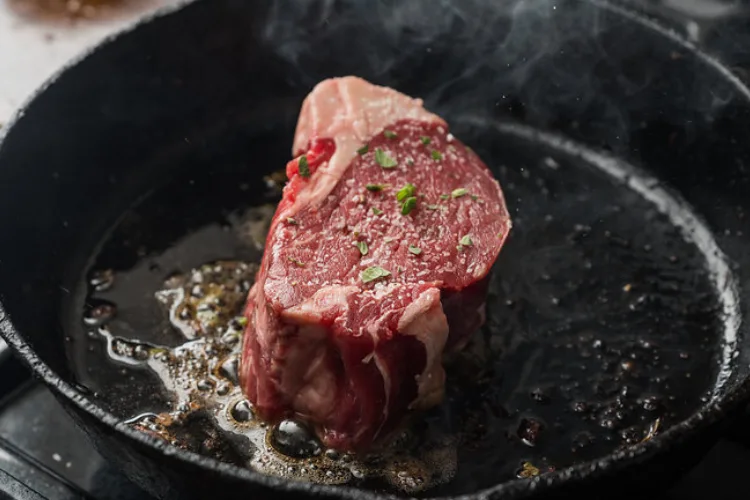
For where flavor actually comes from see the most flavorful cuts, for the softness question see the most tender cuts, and the crust article explains the browning that marbling supports.
Fine threads, evenly spread, on a steak thick enough to cook. That is what you are looking for.
- Grades and Standards: Beef, USDA AMS
Food-safety temperatures and storage times on this page are cited to the agencies above rather than to us.
Written at Shipley Farms in Vilas, North Carolina: a family cattle farm raising and dry-aging beef in the Appalachian Mountains, now in its fifth generation. No shortcuts since 1872.
Every quote on this page is Gray Shipley talking, the man who runs this farm. We sat down with him, turned on a recorder, and kept his own words. Hesitations are trimmed so they read on the page. Nothing else is added or reworded, except where Gray revised his own words in review.
Nobody knows this beef better than we do. On official beef grading we leave it to the USDA, and we have linked their page above. Reviewed 3 October 2026.
Shipley Farms
Stories, recipes and news from Shipley Farms.