How to Brown Ground Beef
Browning ground beef is the first step in half the dinners anyone cooks, and it is the step most often done at the wrong temperature in too small a pan.
There is a difference between cooked ground beef and browned ground beef, and it is the difference between a gray crumble and something with actual flavor in it.
The three things that matter
- A wide pan. The beef needs room. Two pounds in a small skillet will never brown, whatever you do.
- Real heat. Medium-high. A timid pan releases water and then boils the beef in it.
- Patience for ninety seconds. Spread it, then leave it alone until the underside has colored.
The mistake almost everyone makes
Breaking the beef up immediately. Every time you stir, you expose more wet surface and drop the pan temperature. Spread it in a thin layer, let it sit, then break it up once it has taken color on one side.
“And then, you know, let the flavor do the work and don't try to do too much.”
Gray Shipley
Buy it ground close to when you cook it
“And then just what's on the label and what's actually in it? Is there anything that I can't pronounce? Is there anything that comes from a chemical factory? Is there anything made of petroleum instead of something that grows out of the ground or walks on it?”
Gray Shipley
Ground beef is where the most gets hidden, because once it is ground you cannot see what went in. One ingredient on a label is the standard worth holding to, and it is the reason we grind our own rather than buying it in.
Should you drain the fat?
It depends what happens next. If the beef is going into a sauce that simmers for an hour, leave some: it carries flavor through the dish. If it is going into tacos or a filling, drain most of it or the result is greasy.
“You don't want a lean burger. You don't want some silly 90-10. You know, get a good 80-20, 75-25 blend.”
Gray Shipley
Starting from 80/20 gives you the choice. Starting from 90/10 does not.
Temperature, for safety
Ground beef is different from a steak. The surface of a whole cut gets seared; ground beef has had its surface distributed all the way through it, which is why the guidance is higher. The USDA figure is 160 degrees Fahrenheit, and a thermometer is the only way to know.
Seasoning
Salt at the start if the beef is the dish, at the end if it is going into something already seasoned. Salting early draws moisture, which is unhelpful while you are trying to brown.
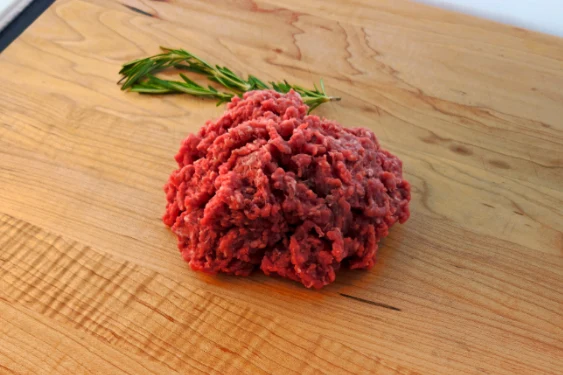
One pound packs of dry-aged ground beef. Four quarter-pounders or three third-pounders to the pack.
View Product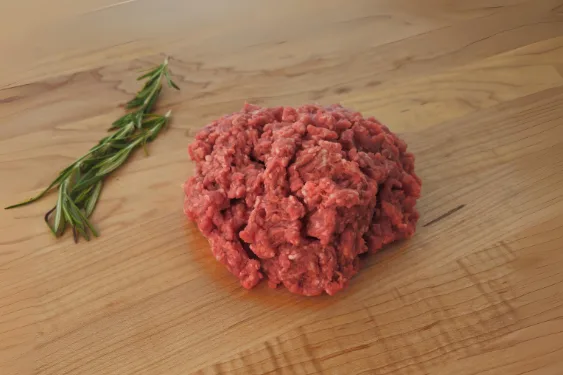
Proper Meats ground beef by the pound. The one to buy by the handful for a week of dinners.
View Product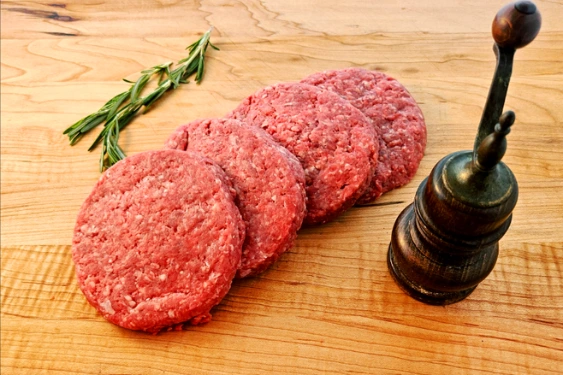
Dry-aged patties at 5.3 ounces, portioned already. Count heads, count patties, done.
View ProductThe same physics is explained at length in how to get a great crust on steak, and this is step one of easy ground beef tacos.
- Cook to a Safe Minimum Internal Temperature, FoodSafety.gov
Food-safety temperatures and storage times on this page are cited to the agencies above rather than to us.
Written at Shipley Farms in Vilas, North Carolina: a family cattle farm raising and dry-aging beef in the Appalachian Mountains, now in its fifth generation. No shortcuts since 1872.
Every quote on this page is Gray Shipley talking, the man who runs this farm. We sat down with him, turned on a recorder, and kept his own words. Hesitations are trimmed so they read on the page. Nothing else is added or reworded, except where Gray revised his own words in review.
Nobody knows this beef better than we do. On food safety we leave it to FoodSafety.gov, and we have linked their page above. Reviewed 3 October 2026.
Shipley Farms
Stories, recipes and news from Shipley Farms.