Classic Beef Chili
Chili is forgiving in every way except one: it punishes a rushed start. Brown the beef properly, take your time with the base, and the rest is waiting.
Chili is one of the few dishes where leaner ground beef is genuinely the better buy, because there is fat, liquid and time in the pot already.
“You don't want a lean burger. You don't want some silly 90-10. You know, get a good 80-20, 75-25 blend.”
Gray Shipley
For a burger that ratio is the whole argument. For chili you can go leaner without losing anything, and spend the difference on more beef.
Brown it properly, in batches
This is the step people rush and it is the one that decides how the finished pot tastes. A wide pan, real heat, a thin layer, and the patience to leave it alone until it has colored on one side. Two pounds crowded into one pan will steam, and steamed beef makes a flat chili that no amount of simmering rescues.
Build the base before the liquid
- Onion and pepper in the rendered fat until they soften and start to color.
- Garlic for a minute, no longer.
- Dry spices into the hot fat for thirty seconds, so they bloom rather than taste raw.
- Tomato paste next, cooked until it darkens. This is where the depth comes from.
- Only then the liquid.
Then leave it alone
An hour is a chili. Two and a half hours is a good chili. The difference is entirely in the waiting, and it is better again the next day, which makes it the ideal thing to cook in advance for a crowd.
The version worth the extra effort
“If you've got time to get out the smoker, that's a really easy way to put, you know, one of the best things I've ever eaten is one of our dry-aged chuck roasts that my buddy Joel Davis smoked one time.”
Gray Shipley
Chuck cut into cubes rather than ground, browned hard and given three hours, makes a chili with texture rather than crumble. It takes longer and it is a different, better dish. Ground beef is the weeknight version and this is the Sunday one.
“I go for the lesser-known cuts. But to me, I'm more interested in things like the flat iron and the chuck eye and the bavette steak that people know a little bit less about.”
Gray Shipley
Seasoning at the end
Salt at the start and again at the end, because the pot reduces and what was right at the beginning is not right three hours later. Acid at the very end lifts the whole thing: a splash of vinegar does more than another spoon of chili powder.
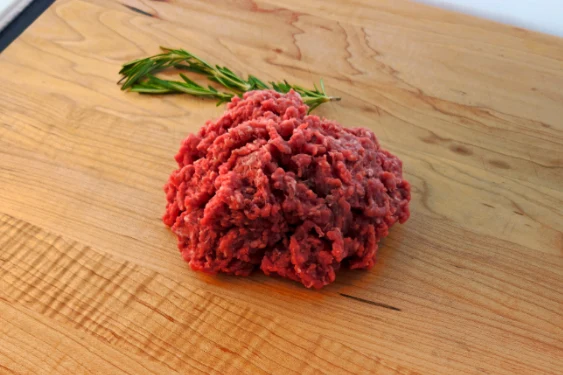
One pound packs of dry-aged ground beef. Four quarter-pounders or three third-pounders to the pack.
View Product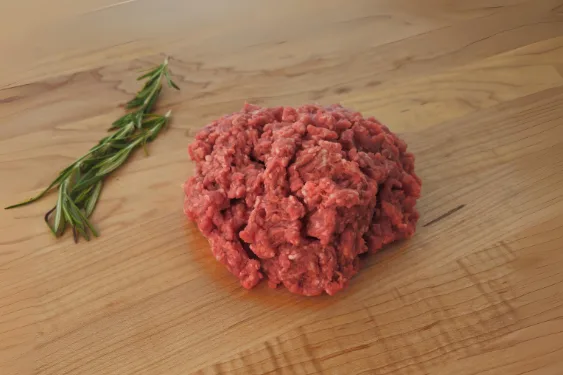
Proper Meats ground beef by the pound. The one to buy by the handful for a week of dinners.
View Product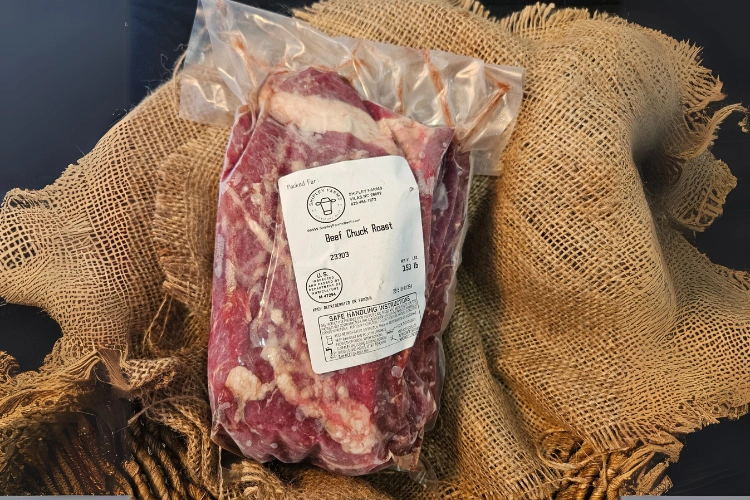
Dry-aged boneless chuck roast. In early, left alone, and it will be the thing people remember.
View ProductThe browning method is set out in how to brown ground beef, and the cuts that reward hours are in best beef cuts for slow cooking.
- Cook to a Safe Minimum Internal Temperature, FoodSafety.gov
Food-safety temperatures and storage times on this page are cited to the agencies above rather than to us.
Written at Shipley Farms in Vilas, North Carolina: a family cattle farm raising and dry-aging beef in the Appalachian Mountains, now in its fifth generation. No shortcuts since 1872.
Every quote on this page is Gray Shipley talking, the man who runs this farm. We sat down with him, turned on a recorder, and kept his own words. Hesitations are trimmed so they read on the page. Nothing else is added or reworded, except where Gray revised his own words in review.
Nobody knows this beef better than we do. On food safety we leave it to FoodSafety.gov, and we have linked their page above. Reviewed 3 October 2026.
Shipley Farms
Stories, recipes and news from Shipley Farms.