How to Make Smash Burgers
A smash burger is not a thin burger. It is a different technique with a different goal, which is maximum crust.
Gray likes a thick burger, and says so plainly.
“I like a thicker burger. You know, when you get that sear and the crunch and the smash burger, that's pretty good. But I like a good, thick burger.”
Gray Shipley
He is not wrong, and a smash burger is the other argument: give up the juicy interior entirely and buy crust with it. Both are good. They are just not the same food.
Why the press works here and nowhere else
On a thick burger, pressing forces out rendered fat and juice you wanted to keep. On a smash burger there is no interior to protect. The press puts the maximum amount of beef in contact with the maximum amount of heat, and that contact is where the crust comes from.
The window is the first ten seconds, while the surface is still raw and pliable. Press after that and you are squeezing a cooked patty, which does the damage and buys nothing.
What you need
- Cast iron or a flat top. Grill grates will not do this. You need unbroken contact.
- Serious heat. Hotter than feels sensible, and give it five full minutes to get there.
- Loose balls of 80/20, two to three ounces, not packed or rolled tight.
- Something stiff to press with and a square of parchment so it does not stick.
“You don't want a lean burger. You don't want some silly 90-10. You know, get a good 80-20, 75-25 blend.”
Gray Shipley
The method
- Ball onto the hot surface. Parchment on top.
- Press hard and flat, within ten seconds, thinner than you think.
- Peel the parchment. Salt now.
- Leave it until the edges are brown and lacy, about ninety seconds.
- Scrape, do not lift. The crust is stuck to the pan and the crust is the point.
- Flip, cheese on, thirty seconds, done.
Why the pan matters more than the beef here
A smash burger made on a mediocre surface is just a thin dry burger. The crust is the entire reason to do it, and the crust comes from heat the surface can hold while cold beef lands on it. Cast iron holds that heat; a thin pan gives it up instantly and steams instead.
Two at a time
Smash burgers are small, so a double is the normal serving. Cook them in pairs and stack them. A single on a full-sized bun is mostly bread.
“And then, you know, let the flavor do the work and don't try to do too much.”
Gray Shipley
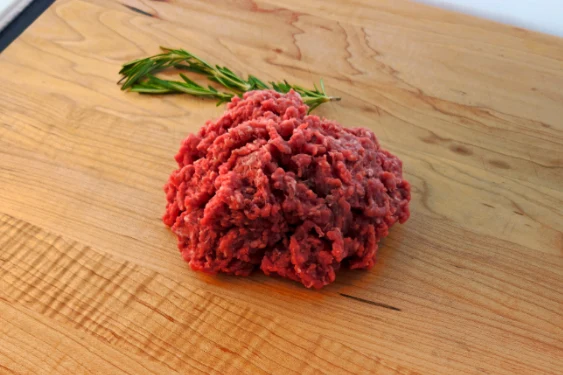
One pound packs of dry-aged ground beef. Four quarter-pounders or three third-pounders to the pack.
View Product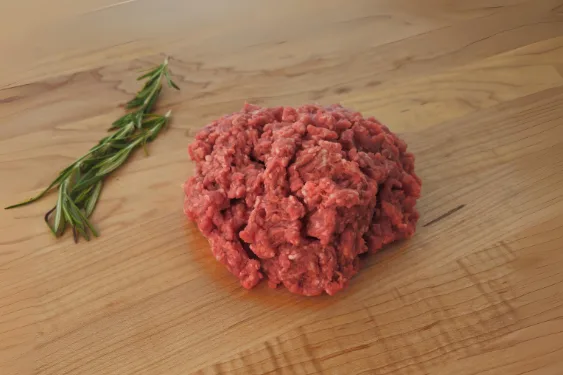
Proper Meats ground beef by the pound. The one to buy by the handful for a week of dinners.
View Product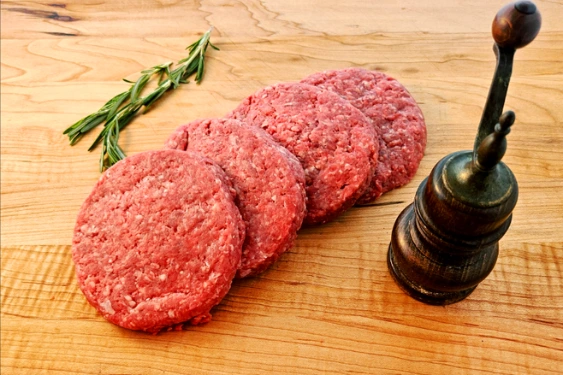
Dry-aged patties at 5.3 ounces, portioned already. Count heads, count patties, done.
View ProductThe crust physics are the same ones in how to get a great crust on steak. For the thick-burger method instead, see how to grill burgers.
- Cook to a Safe Minimum Internal Temperature, FoodSafety.gov
Food-safety temperatures and storage times on this page are cited to the agencies above rather than to us.
Written at Shipley Farms in Vilas, North Carolina: a family cattle farm raising and dry-aging beef in the Appalachian Mountains, now in its fifth generation. No shortcuts since 1872.
Every quote on this page is Gray Shipley talking, the man who runs this farm. We sat down with him, turned on a recorder, and kept his own words. Hesitations are trimmed so they read on the page. Nothing else is added or reworded, except where Gray revised his own words in review.
Nobody knows this beef better than we do. On food safety we leave it to FoodSafety.gov, and we have linked their page above. Reviewed 3 October 2026.
Shipley Farms
Stories, recipes and news from Shipley Farms.