Naming Cows: Why Farmers Don't Name the Steers
Naming cows on a beef farm: why farmers don't name the steers, and what happens when a young cousin names the new calves anyway.
Asked which animal on the farm has a name it should not have, Gray Shipley said it has become a point of contention lately.
The farm has started its breeding herd back up, so there are baby calves again. A young cousin has decided he wants to name each calf as it is born. At last count about three of them had names.
“And I've continued to tell everybody that it's not going to end well when you're naming the steers who are going to end up in the feeding program.”
Gray Shipley
Word for word, as recorded
And I've continued to tell everybody that it's not going to end well when you're naming the steers who are going to end up in the feeding program.
“And there's a reason that we don't name them.”
Gray Shipley
Word for word, as recorded
And there's a reason that we don't name them.
Why farmers don't name the steers
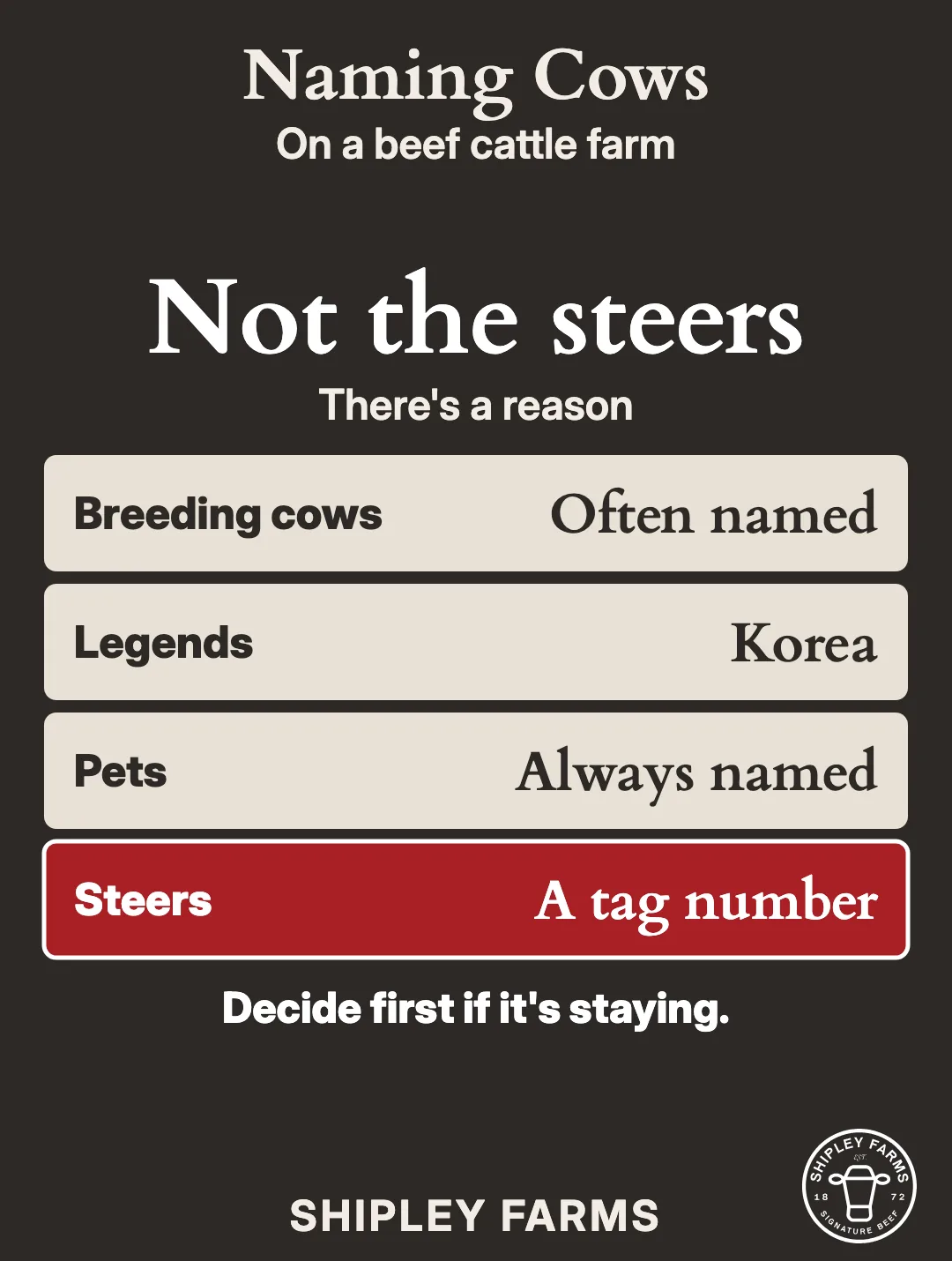
A steer is a young male raised for beef. On a beef farm, the steers are the animals that leave. A name makes that harder, for the children who chose it most of all. So most cattle farms know their animals by an ear tag number, and keep names for the animals that stay.
Which cows do get names
- The breeding cows. A mother cow can stay on a farm for many years, and families often name the ones they know best.
- The memorable ones. Some animals earn a name by personality. On this farm the most famous is a cow from the 1950s called Korea, and Mean Cow explains how she got it.
- The pets. The farm's dog and goats all have names. Pet Goats introduces Mr. Bo Jangles.
Good names for cows, if you must
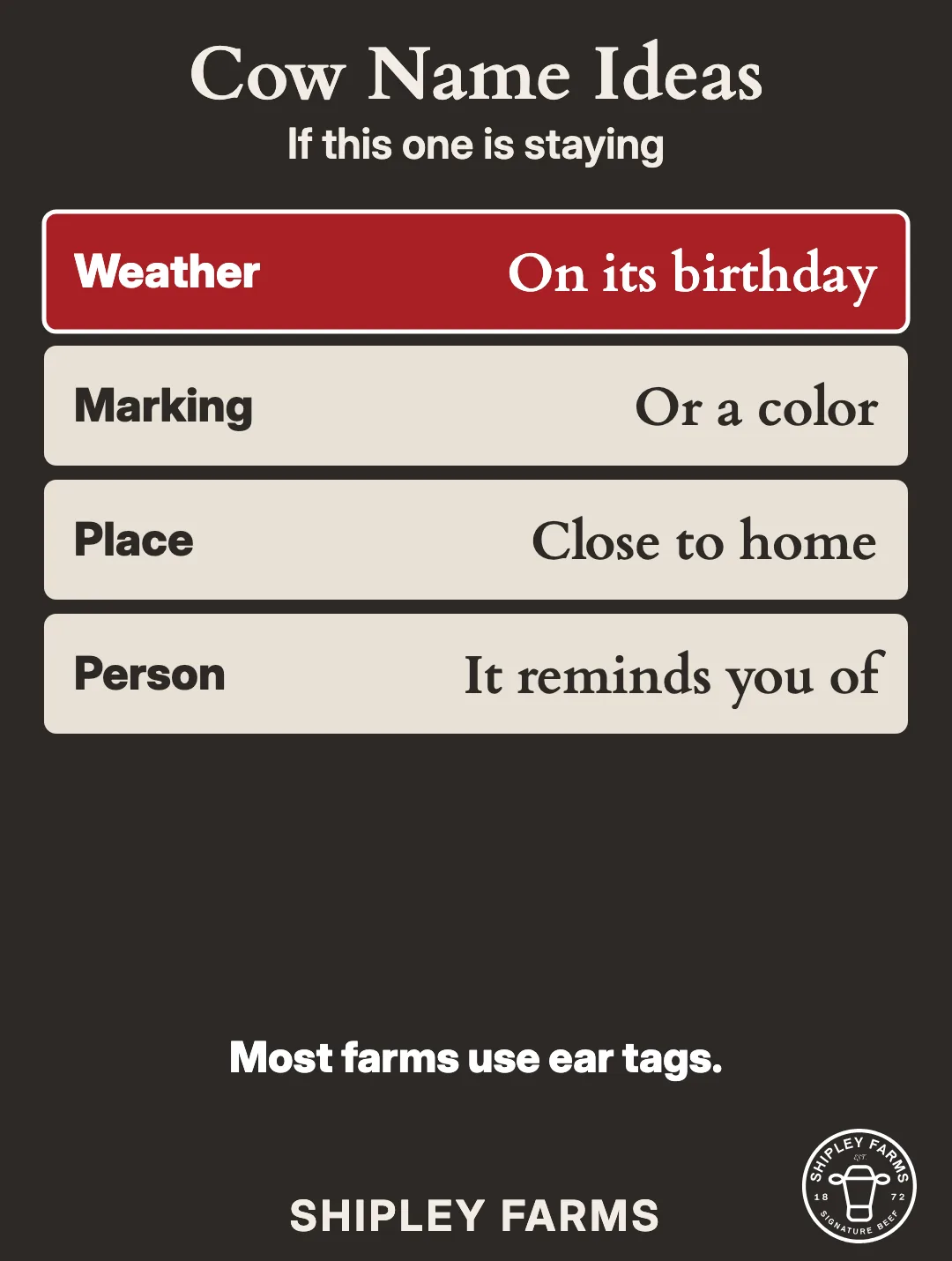
If you keep a family milk cow or a pet steer that will never be sold, name away. Farm families tend to borrow from what is around them: the weather on the day the calf was born, a color or marking, a place, or a person the animal reminds them of. Just decide first whether this one is staying.
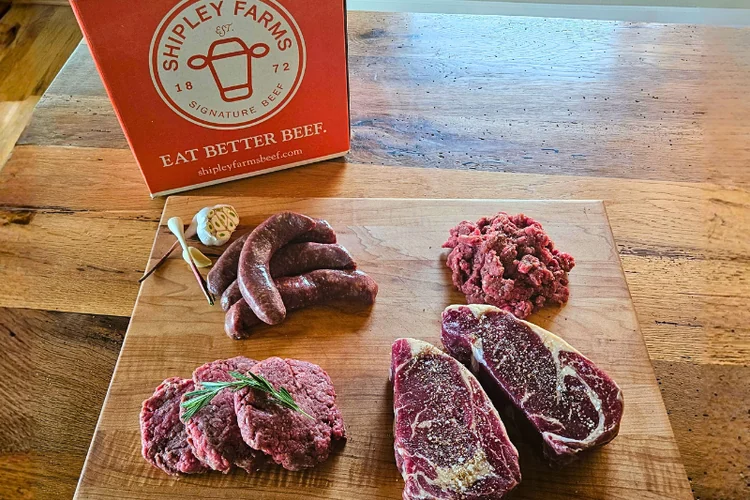
The easiest way to try beef raised here: one eighth of an animal.
View Product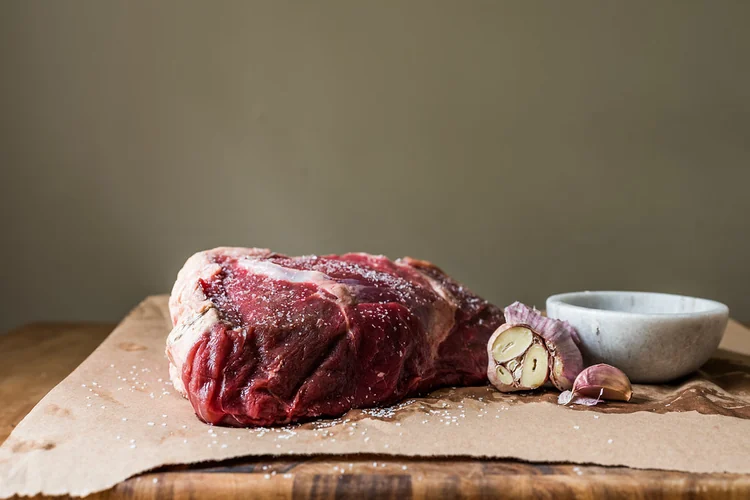
A roast feeds a table and asks very little of you once it is cooking.
View ProductWritten at Shipley Farms in Vilas, North Carolina: a family cattle farm raising and dry-aging beef in the Appalachian Mountains, now in its fifth generation. No shortcuts since 1872.
Every quote on this page is Gray Shipley talking, the man who runs this farm. He recorded these answers himself, at the farm, in the autumn of 2026. The play button under each quote is that recording, exactly as he said it, and the words under it are a word-for-word transcript. In the written quotes, hesitations are trimmed so they read on the page. Nothing else is added or reworded, except where Gray revised his own words in review.
Reviewed 9 November 2026.
Shipley Farms
Stories, recipes and news from Shipley Farms.