Shipley Farms Since 1872: Five Generations in One Valley
The farm has been in this valley since 1872. That is the headline and it is true, but the interesting part of a long family farm is never the length of it.
Five generations is the short version. The longer one has more turns in it.
1872, and a valley
The family settled here in Vilas, in Watauga County, and farmed what the ground allowed. Mountain farms were mixed by necessity rather than philosophy: gardens, tobacco, and livestock on the slopes too steep for anything else.
Around 1897: a bull walked up from Virginia
W.E. Shipley brought the first registered Hereford bull into North Carolina, from Virginia, walking it behind a horse-drawn wagon. That is a genuine piece of state agricultural history and it is worth its own telling.
1929: the handover nobody wanted
Huston Shipley owned the farm through the 1920s. He died in 1929, and R.G. Shipley Sr. inherited it at seventeen, in the year the Depression began.
That is the detail that reframes the whole timeline. A seventeen-year-old took on a mountain farm at the start of the worst decade American agriculture had seen, and held it. He remained proprietor from December 1929 until August 2015.
“We run out of those at Christmas, but our flagship, we call it our Huston ribeye. It's named after my granddad's uncle Huston. He was the proprietor of the farm until 1929.”
Gray Shipley
Huston had no children, which is why the best steak on the place carries his name rather than a founder's.
Tobacco, and then not
For most of the twentieth century this was a burley tobacco farm that also ran cattle. R.G. raised burley, chaired the North Carolina Tobacco Growers and sat for years on the board of the Burley Stabilization Corporation covering North Carolina, Virginia and Tennessee.
When the 2004 buyout dismantled that system he was ninety-two. The farm's own account of his tenure calls it eighty-six years of raising cattle and tobacco.
What carried across the handovers
“It's the standard that my granddad set for us, which is, you know, keep your promises, do what you say you're going to do. Don't take shortcuts, and do the right thing.”
Gray Shipley
“Another thing is I tell people three things that granddad really cared about was agriculture, education, and agricultural education. And so other than family, those were his passions and he loved to have people out to the farm to learn, and teach and help and work and all of that.”
Gray Shipley
Agriculture, education, and agricultural education. He taught for forty-four years alongside running this place, starting the first agriculture program at Boone High School in 1934 and retiring from Watauga High in 1977.
Now
The fifth generation runs it, the herd is a Hereford and Angus cross rather than the old registered line, and the farm sells its own beef direct. The valley is the same one.
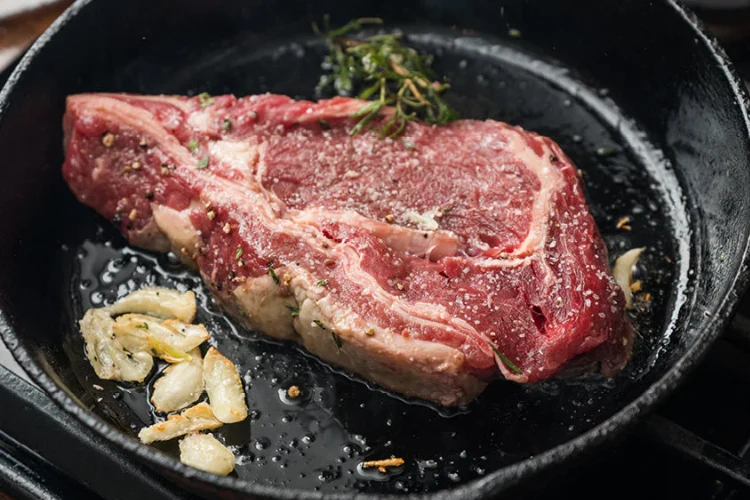
Our signature dry-aged ribeye. Heavily marbled, thick, and forgiving of a minute either way.
View ProductThe bull is in the first registered Hereford bull in North Carolina, the notebook in granddad's notebook, and the decision that started the beef business in R.G. Shipley at 101.
Written at Shipley Farms in Vilas, North Carolina: a family cattle farm raising and dry-aging beef in the Appalachian Mountains, now in its fifth generation. No shortcuts since 1872.
Every quote on this page is Gray Shipley talking, the man who runs this farm. We sat down with him, turned on a recorder, and kept his own words. Hesitations are trimmed so they read on the page. Nothing else is added or reworded, except where Gray revised his own words in review.
This is a first-hand account rather than guidance. Reviewed 3 October 2026.
Shipley Farms
Stories, recipes and news from Shipley Farms.